
Sign Up for Domino’s Newsletter
Your daily dose of home tours, design news, and style inspiration.
 Photography by Aimée Mazzenga; Design by Lauren Stern
The end of the year is a natural time to reflect… and for us, that means taking stock of the best and worst trends. We saw fashion influence interiors more than ever, with a refocus on “quiet luxury” and loud, preppy patterns and colors, meaning people were either declaring allegiance to minimalism or maximalism. We all color-drenched rooms with abandon and if Japandi wasn’t on your radar before, it probably is now. But how do interior designers feel about it all? They have thoughts, that’s for sure. We tapped a mix of emerging and veteran designers for a quick pulse check. Keep reading for their fresh thoughts on what they’re ready to see retired in 2025 and what the new year ahead will bring.
Out: Unexpected Red Theory
In: Unexpected… Hot Pink Theory
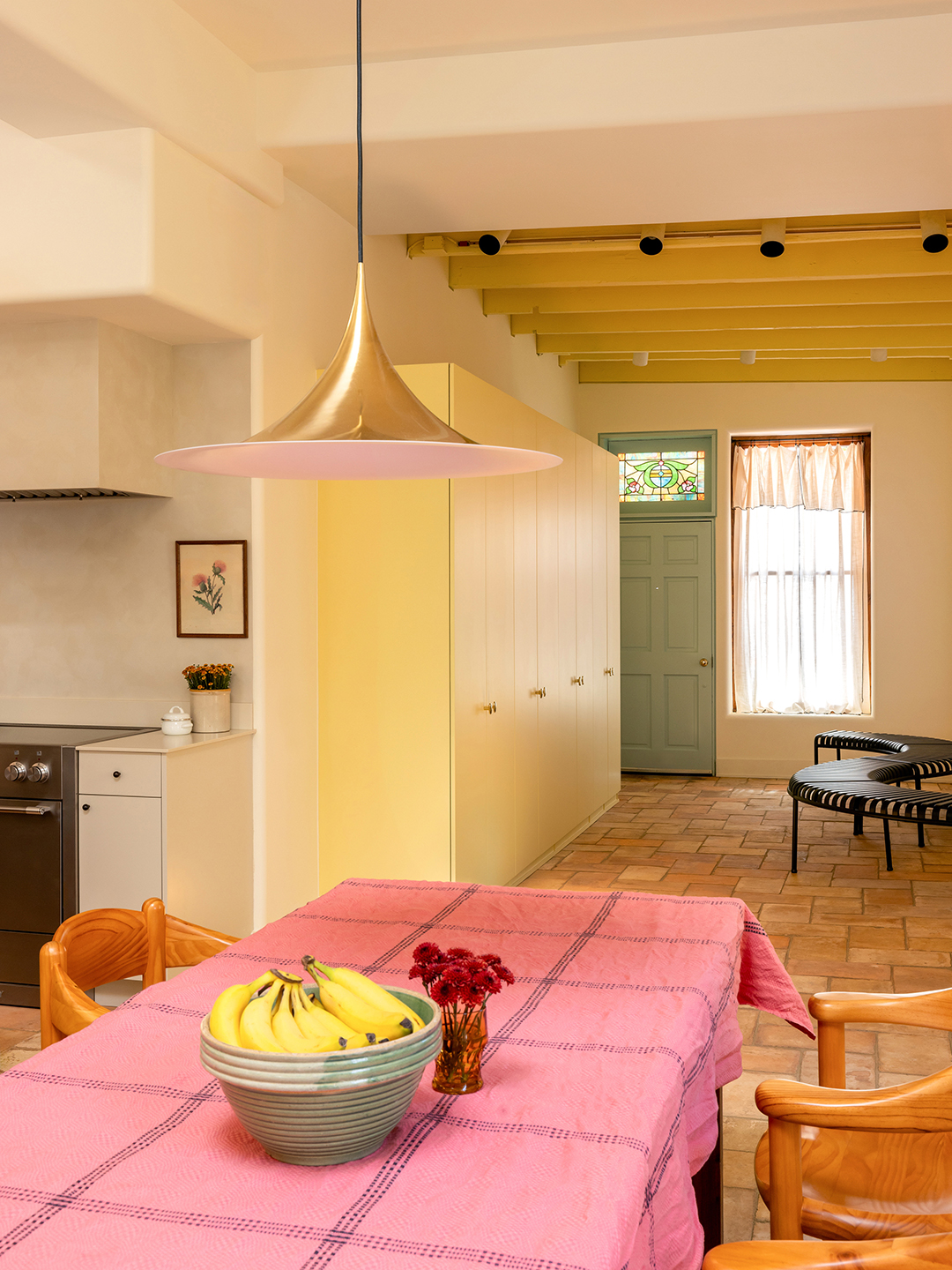 Photography by Amanda Archibald; Styling and Design by Surrounded By Color
A pop of hot pink can go a long way in decorating, we love this color as it is somehow softer than red while still giving your space the same unexpected pop. Hot pink can instantly make any space fun, bright, and cheery, without leaning too feminine, à la Casa Barragan. The color can easily be brought into almost any maximalist or minimalist space through a table cloth, painted wall, piece of furniture, or even a floral. —Robin Heller, cofounder of Surrounded by Color
Out: Generic, big-box-store art
In: Works that are personal
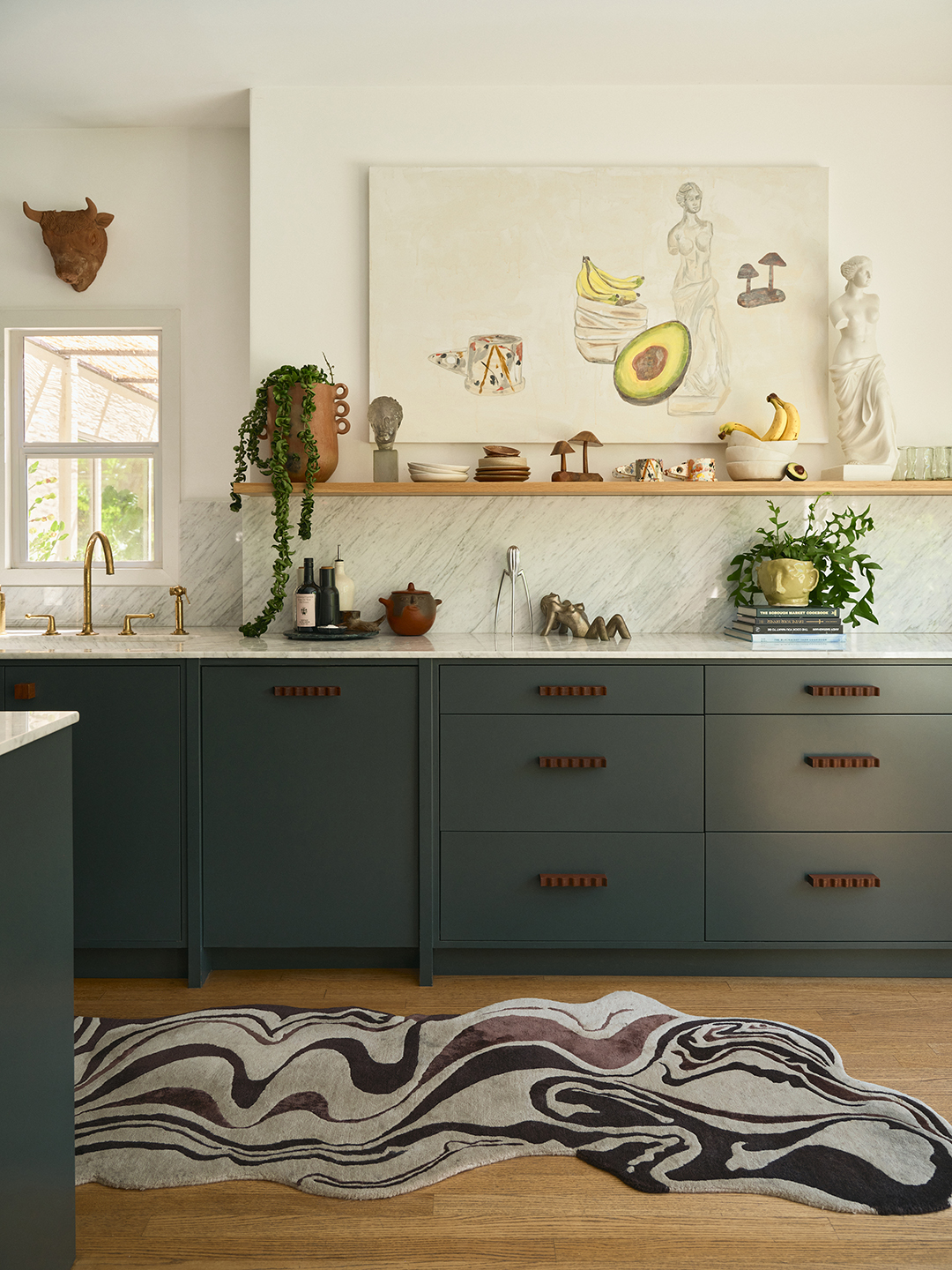 Photography by Aaron Bengochea; Styling by Randi Brookman Harris
Investing in art is essential to sustaining creativity, history, and culture. There are artists and meaningful works available at many price points like vintage and original prints and if you can’t buy it, make it. Buy what you love, art should feel personal and intentional. —Delia Kenza, founder of Delia Kenza Interiors
Out: Low-profile beds
In: Beds that bring the drama
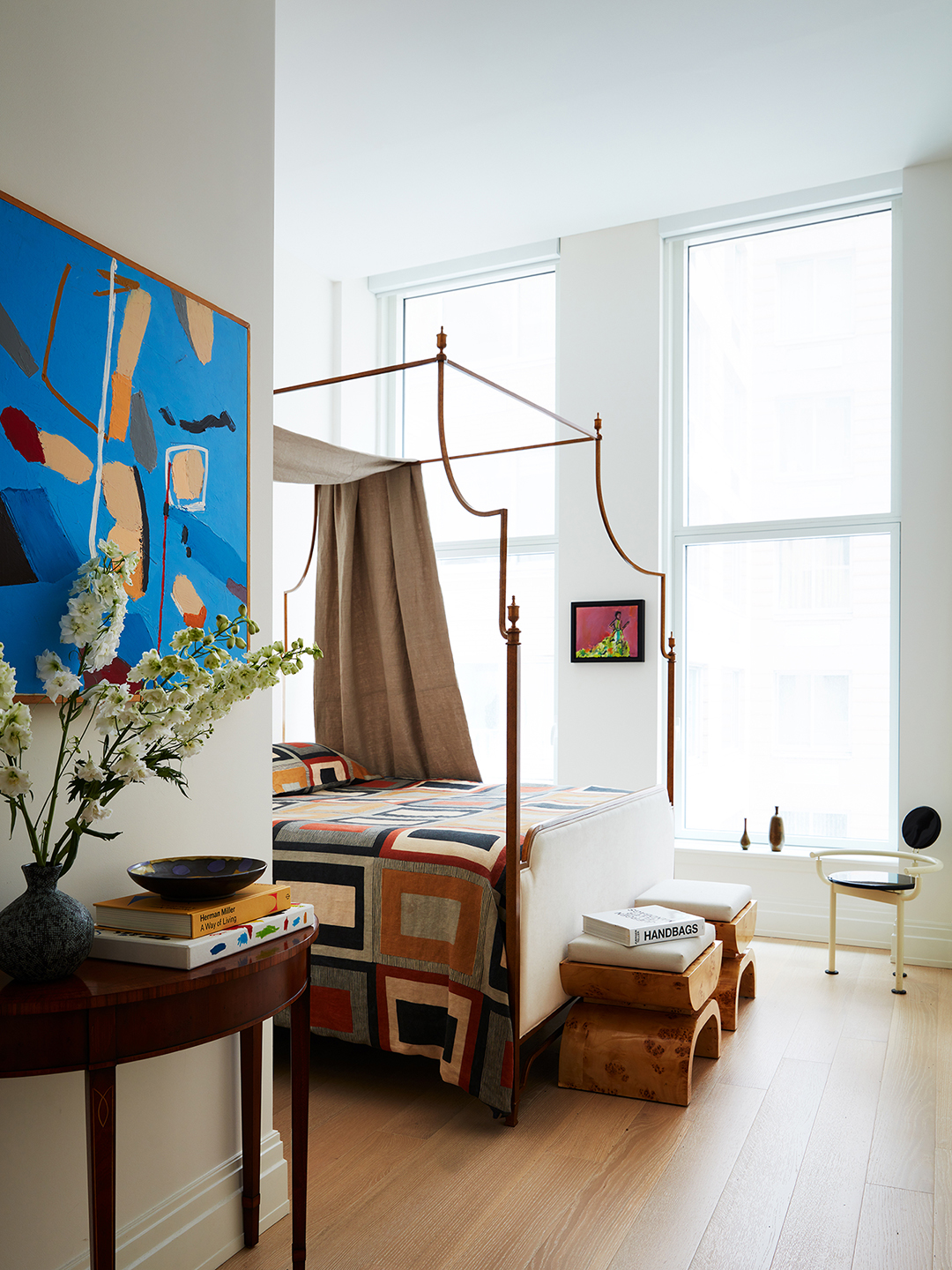
The pendulum has been swinging a bit more traditional and maximal, and I love a statement four poster bed, with or without a canopy. They can add height, create a sense of a room-within-a-room, and envelop you to give a real sense of escape. And though it is a classic idea, don’t rule it out if your taste leans modern; these days there are options to suit any style. —Heather Peterson, founder of Heather Peterson Design
Out: Impersonal decor
In: Collected treasures
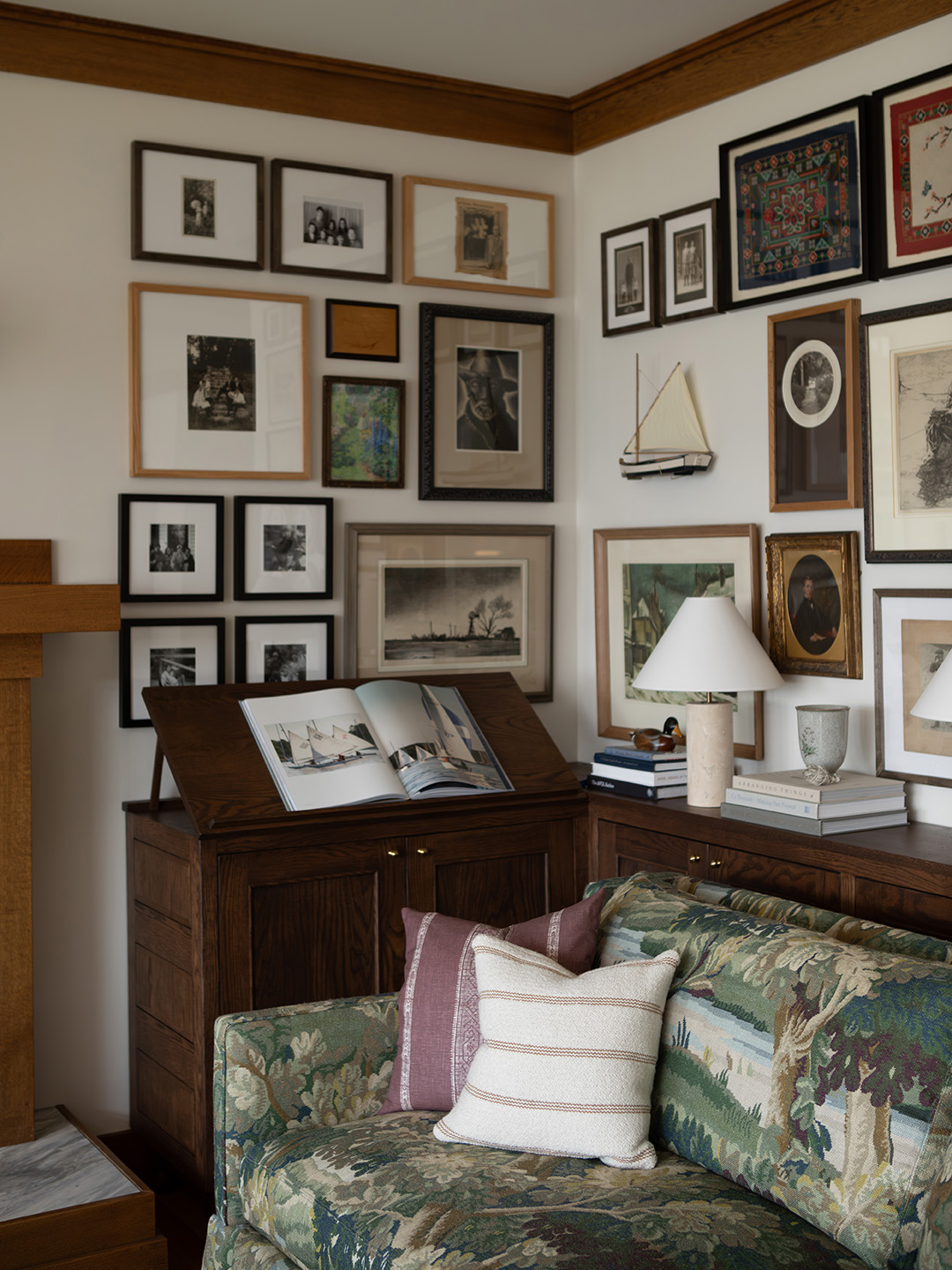 Photography by Judith Kostroski; Styling by Carrie Valentine; Design by Oho Interiors
Embrace the personal! Displaying things like collections or family heirlooms make a house feel like a home. We especially love showcasing things like homeowners’ travel souvenirs. —Melissa Oholendt, founder of Oho Interiors
Out: Chasing a finished product
In: Embracing the process
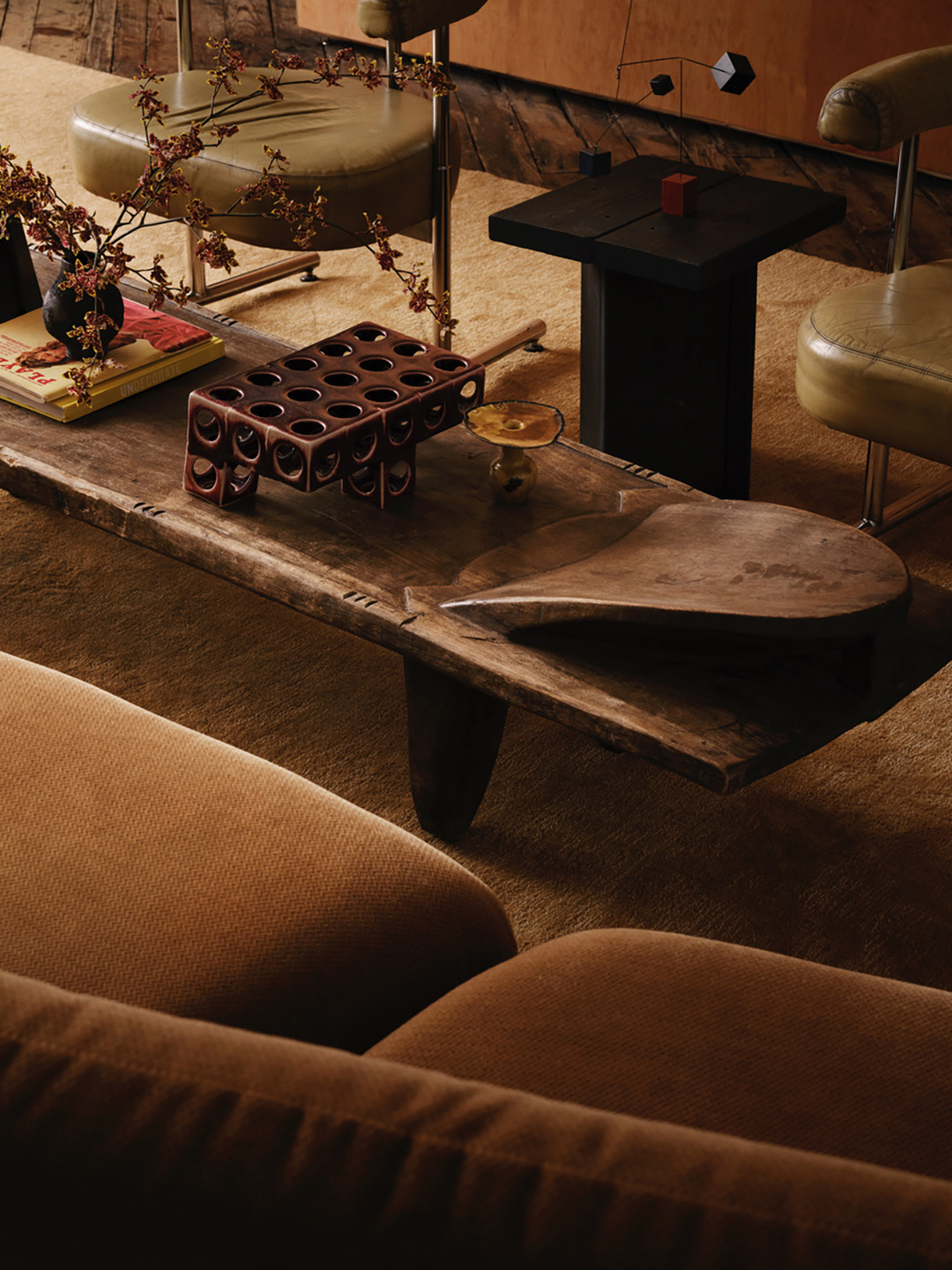 Photography by David Mitchell; Design by Methods of Assembly
People are craving patience, slowness, and a renewed engagement with the design process as a reward in itself. I think the shift is allowing a space to unfold with intention, rather than trying to replicate a fully realized look overnight. Spend time wandering through art fairs and vintage markets; connect with curators and artists who speak to you. Allow your home to evolve through these small, instinctive encounters. —Omar Aqeel, founder of Methods of Assembly Studio
Out: Squishy sectionals
In: Tailored sofas and daybeds
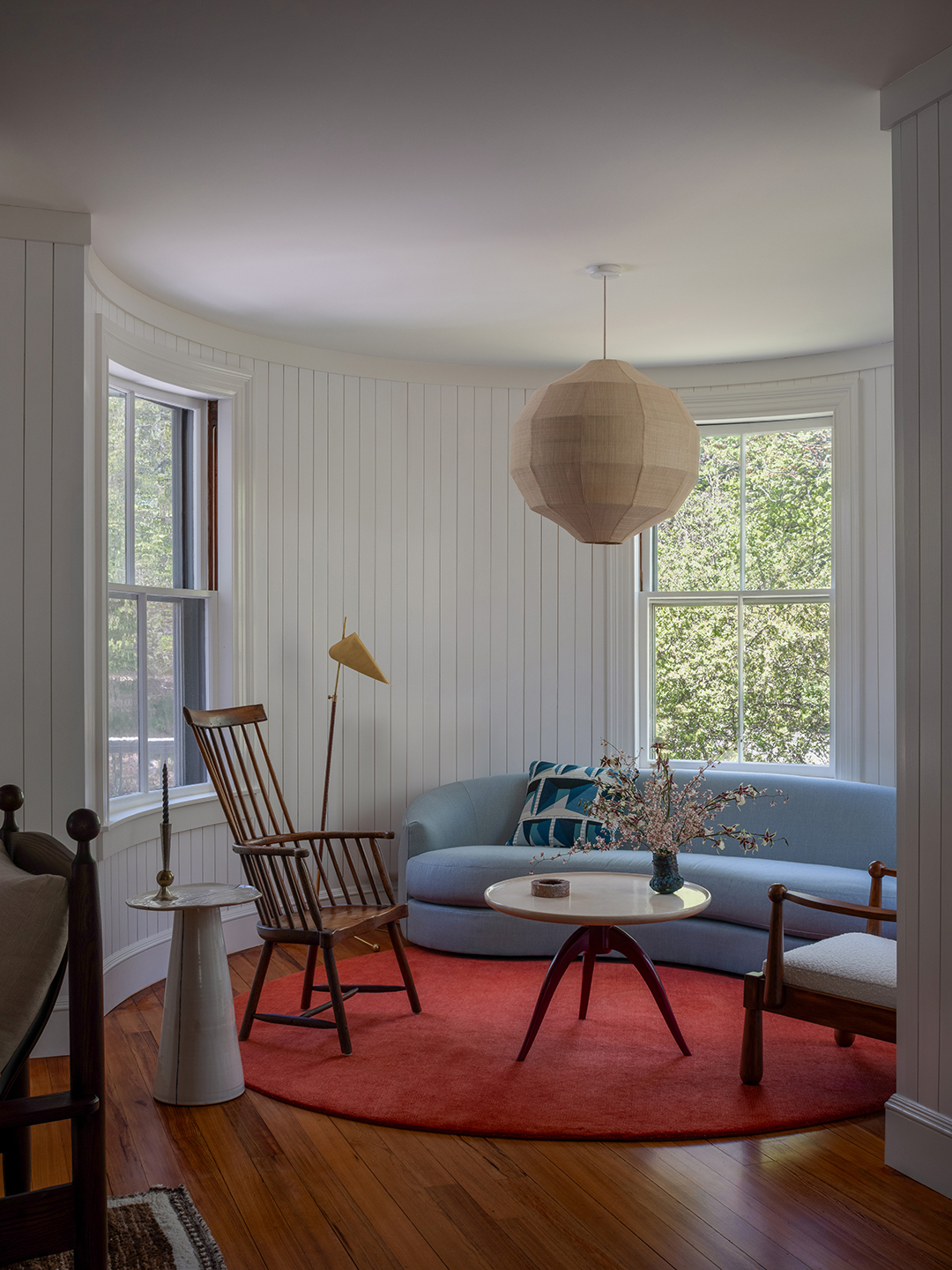 Photography by Austin Leis; Design by Emily Thurman
 Photography by Austin Leis; Design by Emily Thurman
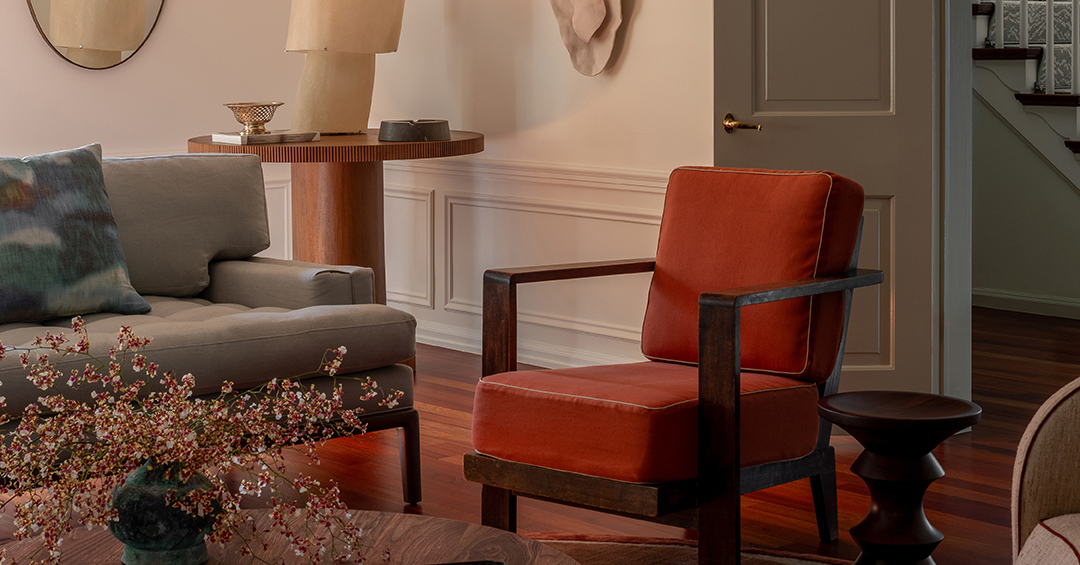
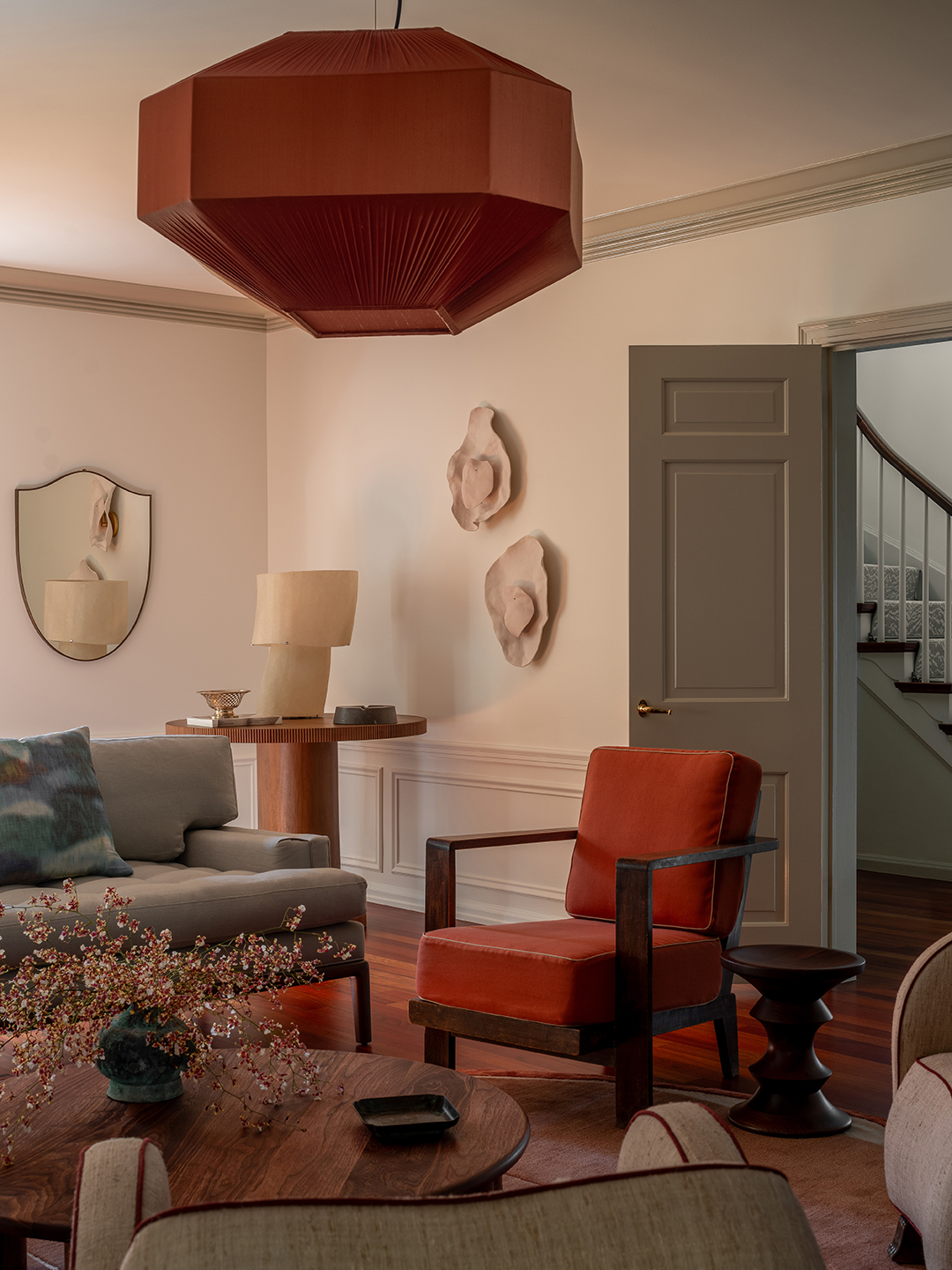
Not every living room needs to be read as a laid-back lounge. The all-sectional era has tipped too far into casual territory. Designers are craving the return of the sitting room—a space anchored by more formal silhouettes, intentional pairings, and actual conversation zones. A refined—and sorely missed—alternative to the ubiquitous sectional [is the daybed]. Paired with a sofa, a daybed introduces instant elegance and creates more dynamic seating arrangements. —Emily Thurman, founder of Emily Thurman Interior Design
Out: Boring en-suites
In: Primary bathrooms with pizzazz
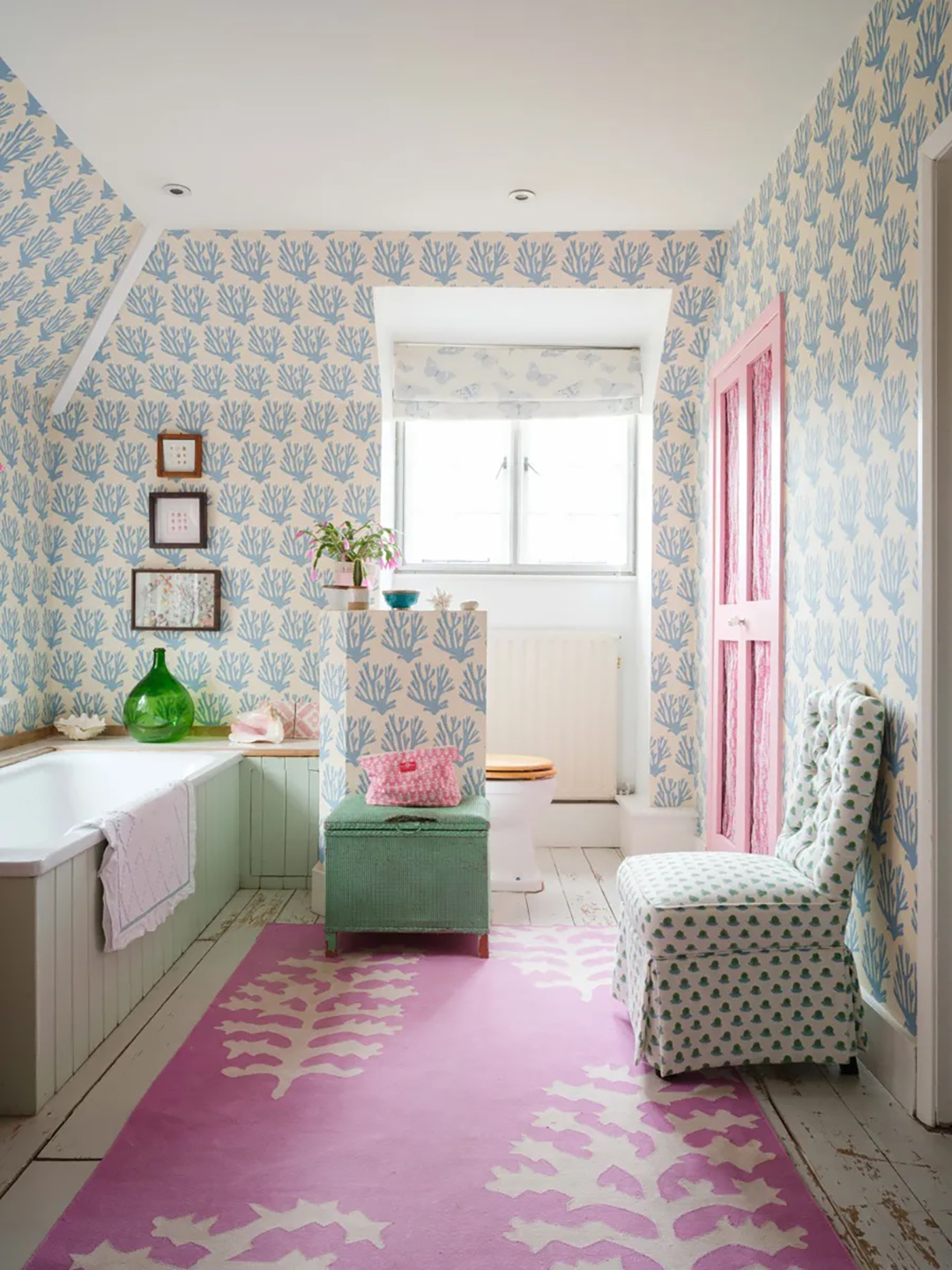
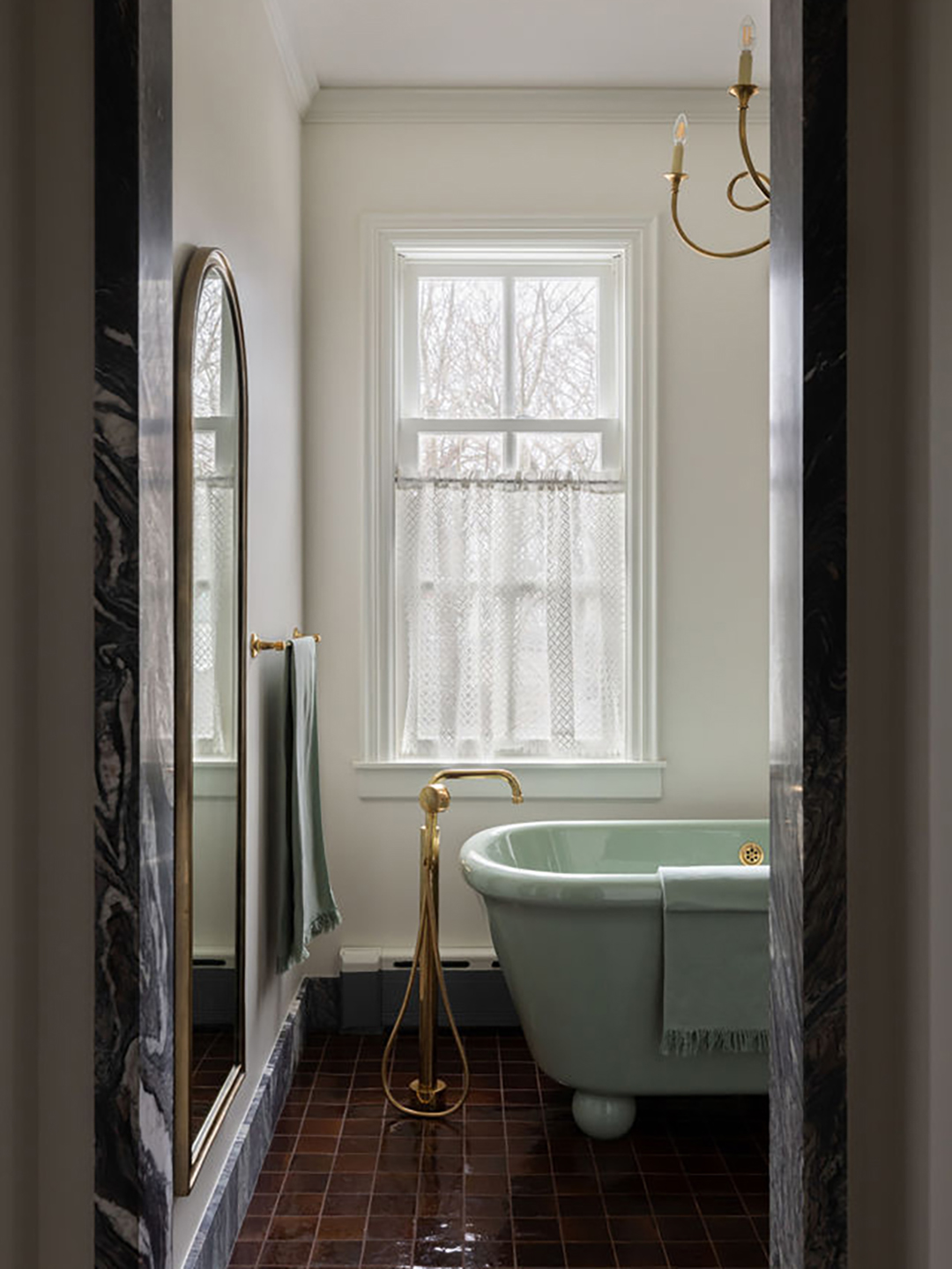
Even in homes where color and pattern are experimented with, we usually find that primary bathrooms are kept neutral. I don’t know if it’s because “permanent” fixtures like vanities, tiles, walls and flooring have largely been thought of as things that should remain neutral and therefore “safe”, but we’re ready to be inspired by bold, unique, one-of-a-kind bathrooms that reflect the personality and likings of the homeowners. So bring on the wallpaper, the painted ceilings, the creative vanities, and vivid rugs… it’s time! —Isabel Ladd, founder of Isabel Ladd Interiors
Out: Perfectly matched wood finishes
In: Layered and collected natural tones
 Photography by Sean Litchfield; Design by Vivian Shao Chen
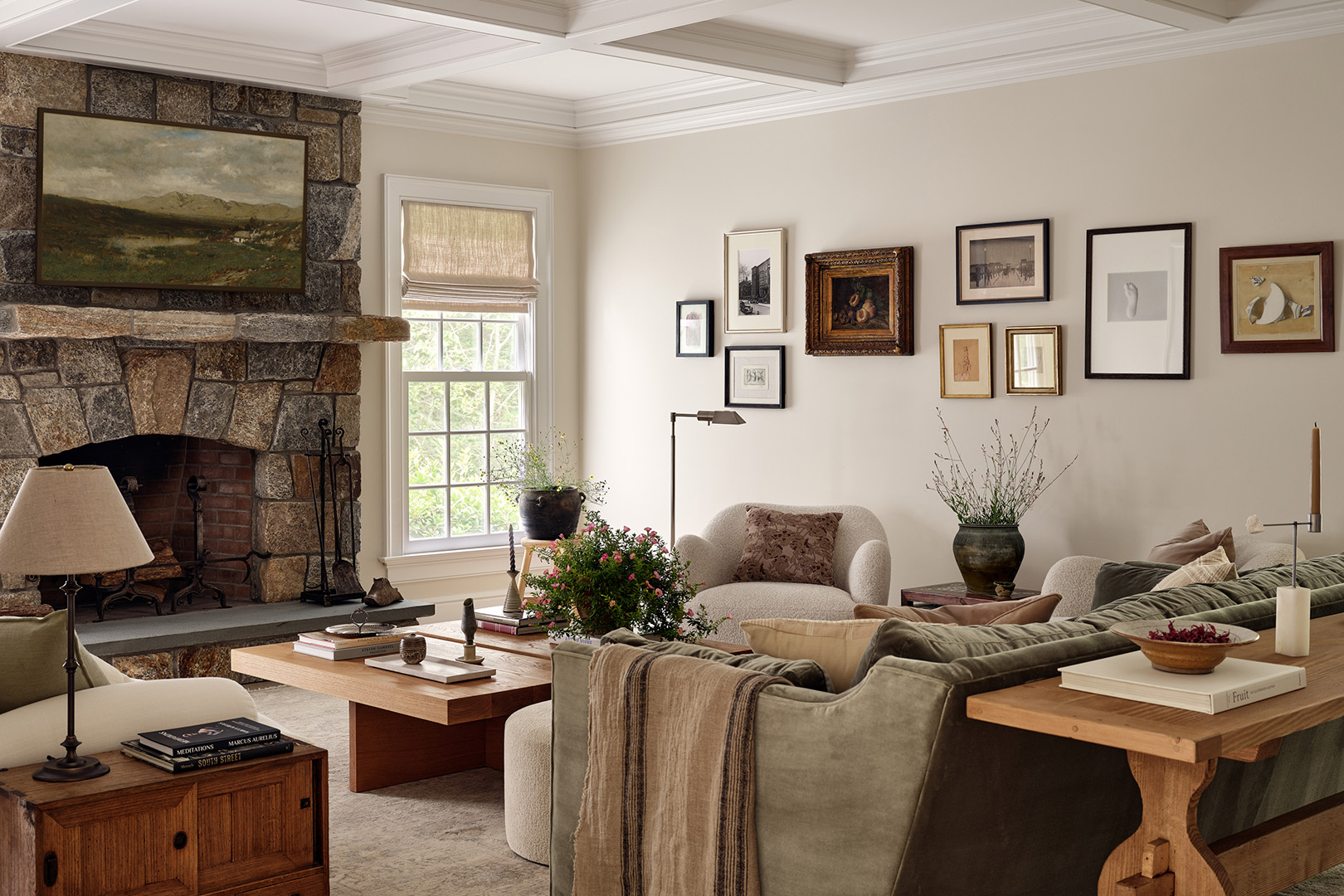
One of my most commonly asked questions is, ‘Will that wood finish look ok with that wood finish?’ My response is always to look for a natural palette that incorporates many different wood finishes so that they can all blend together. I find that when everything matches perfectly, it feels forced and unnatural. In this room, we mixed an antique tansu chest, a new custom white oak coffee table, and a reclaimed pine sofa console. The various frames on the gallery wall are yet another layer that add so much warmth to the room. —Vivian Shao Chen, founder of Vivian Shao Chen Interiors
Out: Unlacquered brass
In: Tarnished silver
 Photography by Kirsten Francis; Design by Jesse Parris-Lamb
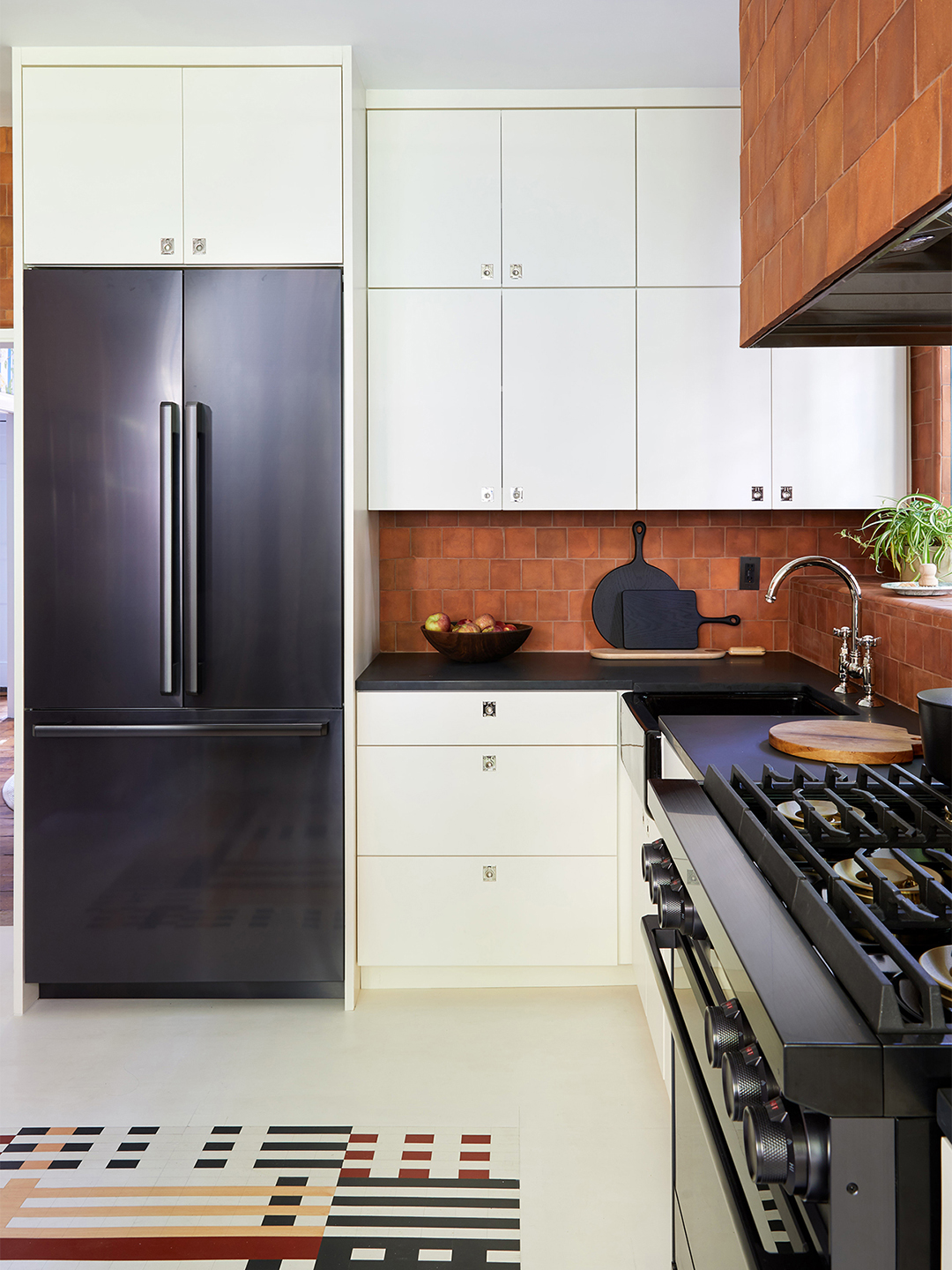
We’ve all seen unlacquered brass, but tarnished silver is fresh, and so sharp when paired with deep chocolate brown. Also in: mixing materials. I prefer that every finish in a kitchen doesn’t match. Let a stainless steel refrigerator sit beside a vintage brass sconce. This makes a space feel collected, real and soulful. —Lauren Stern, founder of Lauren Stern Design
Out: Just cooking in your kitchen
In: Making it a space to spend time in
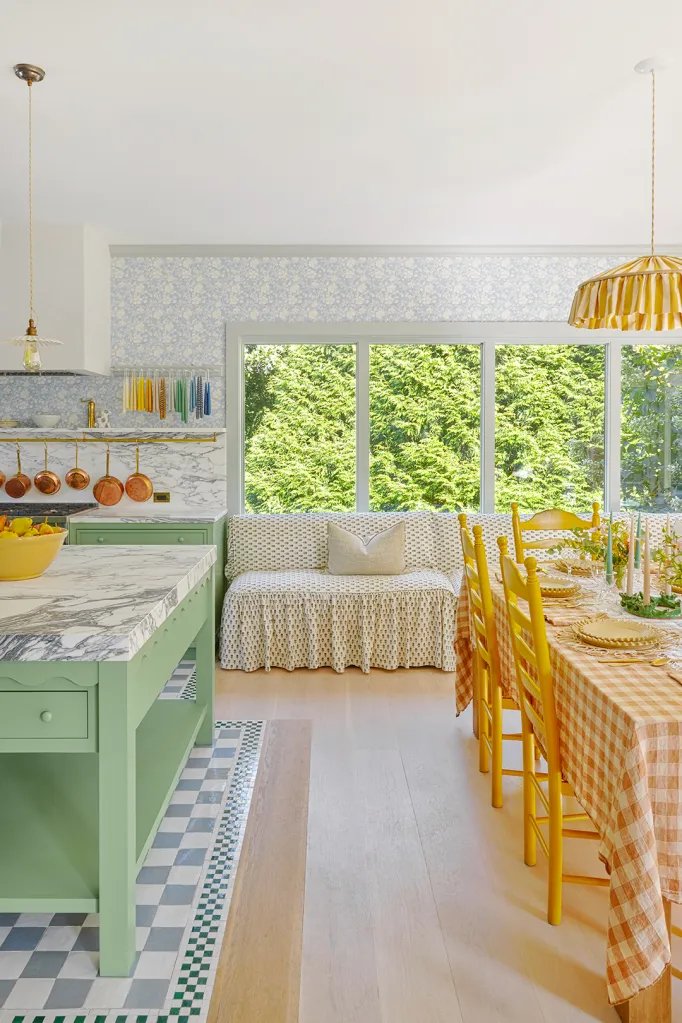
People want to lounge more in their kitchens—and not just on a classic banquette or in a nook, but on extra-deep seating like a pair of lounge chairs in front of a fireplace. Lean in and make it liveable and cozy. —Anne McDonald, founder of Anne McDonald Design
Out: Accent walls
In: Color-drenching everything
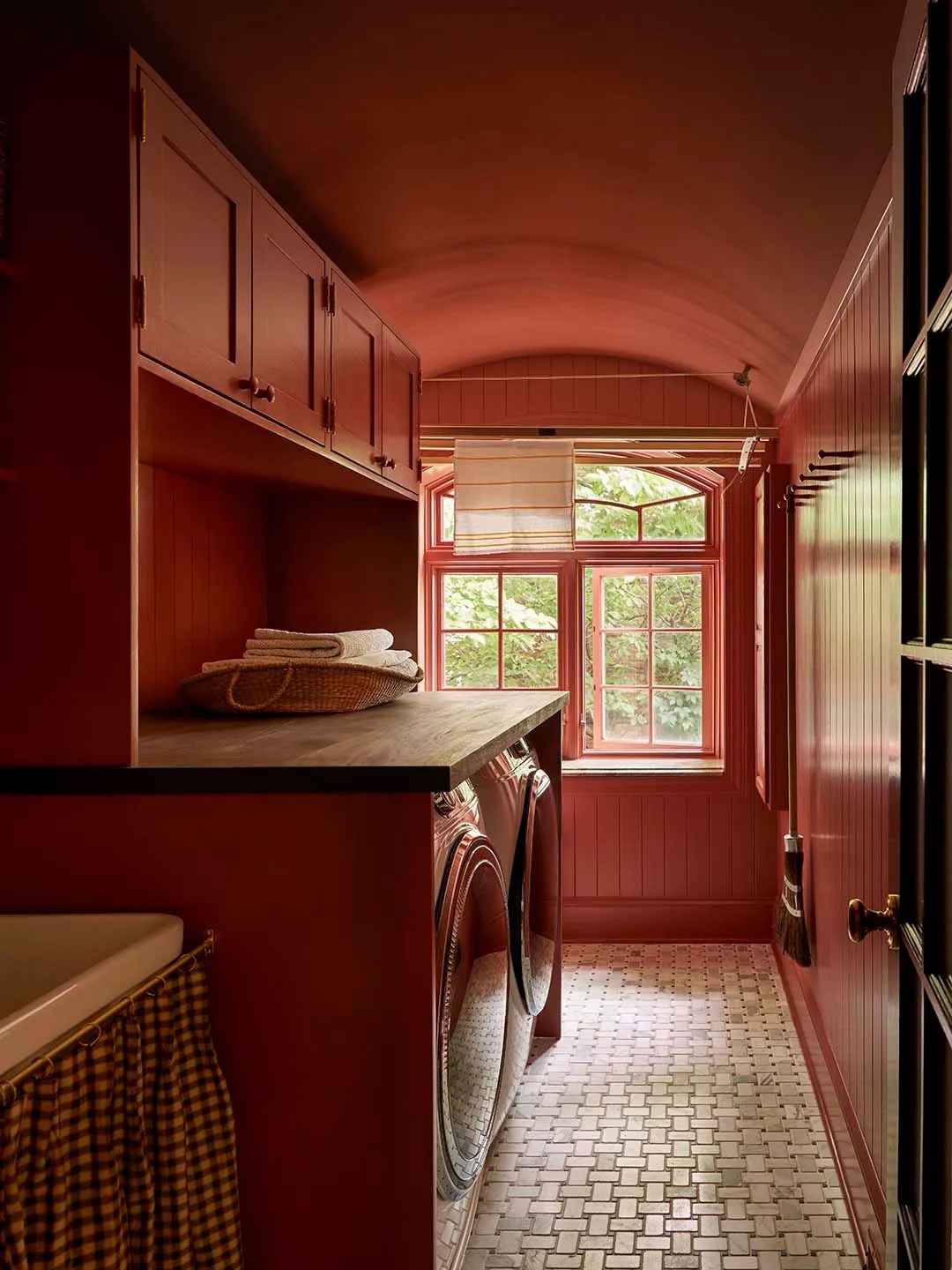 Photography by Ethan Herrington
I am hoping 2026 is the year we kindly retire the accent wall. Instead, I’m leaning into color drenching. Painting everything—the walls, ceiling, doors and moldings all the same color. It makes a room instantly feel warm and playful without trying too hard. —Merissa Haas, founder of Studio M.Haas
Out: Mass-produced acrylic
In: Surfaces with an artist’s touch
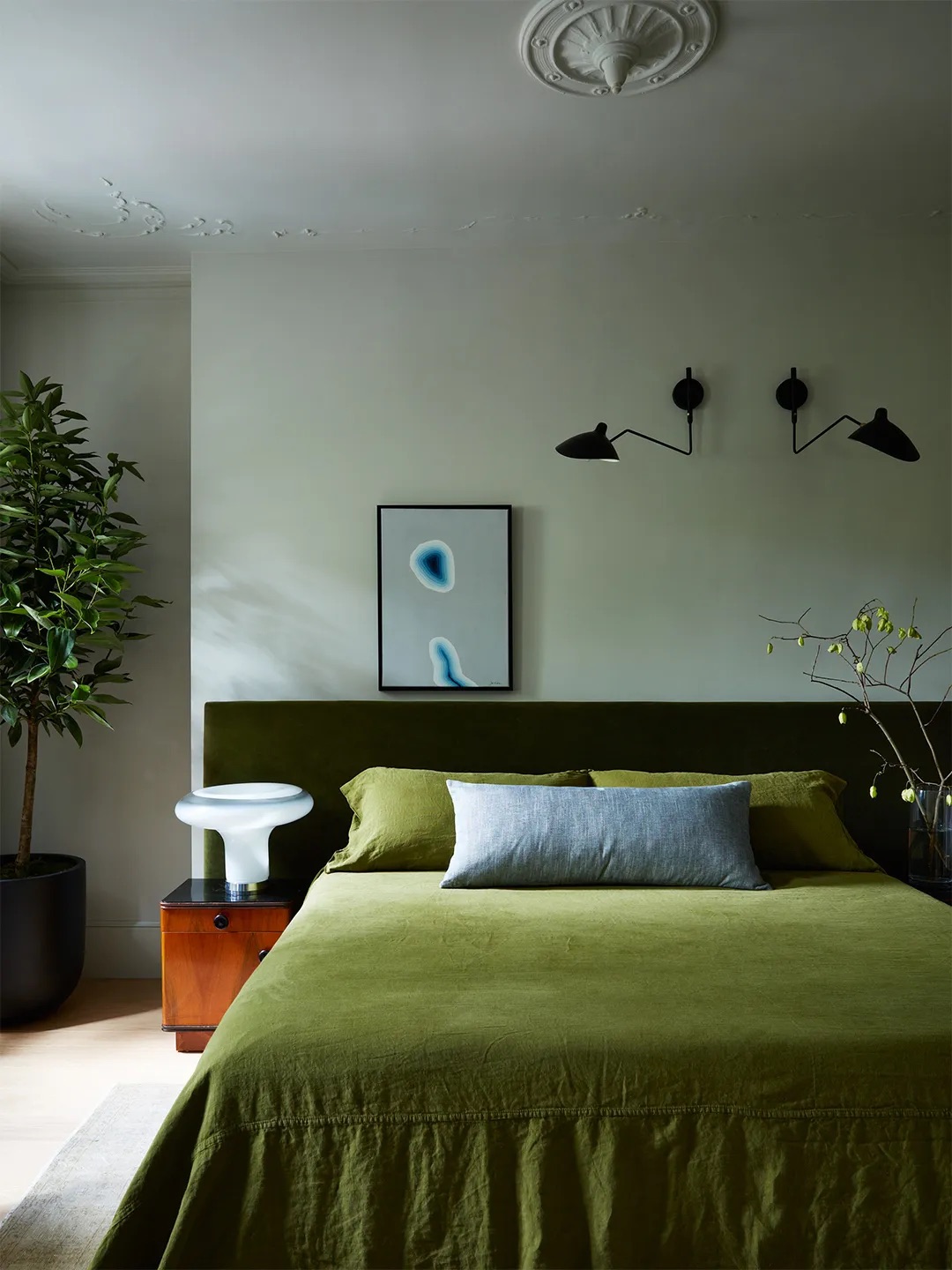 Photography by Tim Lenz, Styling by Mariana Marcki-Matos
While there’s a time and a place for Kartell and that type of design, we’re in a moment where an artist’s touch really helps warm up a room. Think bubble glass, art glass, seeded and ribbed glass furniture. We’re pulling lots of furniture and lighting that feel more special and less one-note. There’s perfection in imperfection. —Dan Mazzarini, principal and creative director at Mazzarini & Co.
Out: Matching hardware
In: Knobs and pulls that suit that cabinet
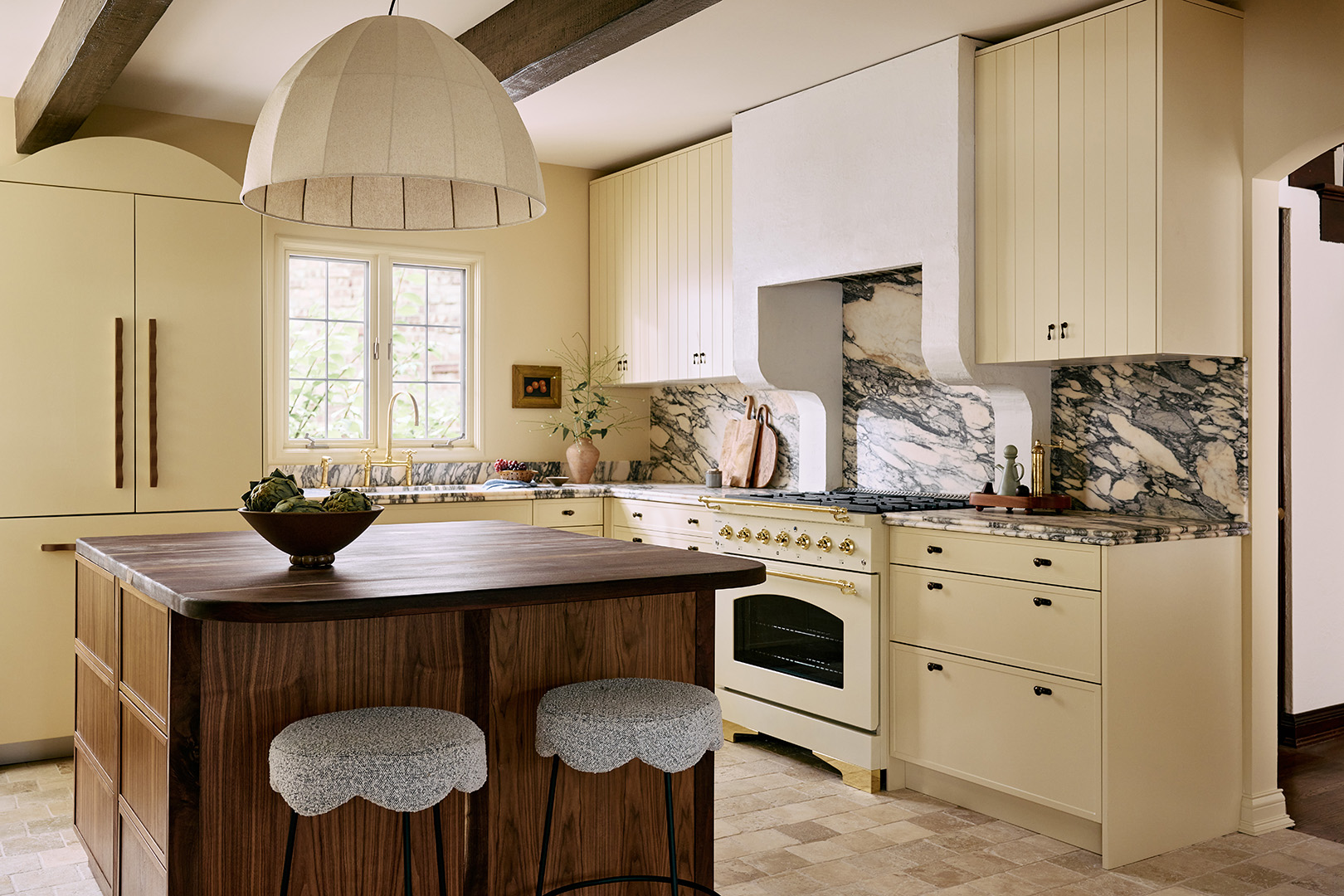
In a recent kitchen project, we used different hardware on the island from the perimeter and more knobs than pulls. We are looking for more ornate hardware that feels like an antique replica, with living finishes like bronze and unlacquered brass. —Claire Staszak, owner and principal designer of Centered by Design
Out: Perfection
In: Ignoring your Instagram feed
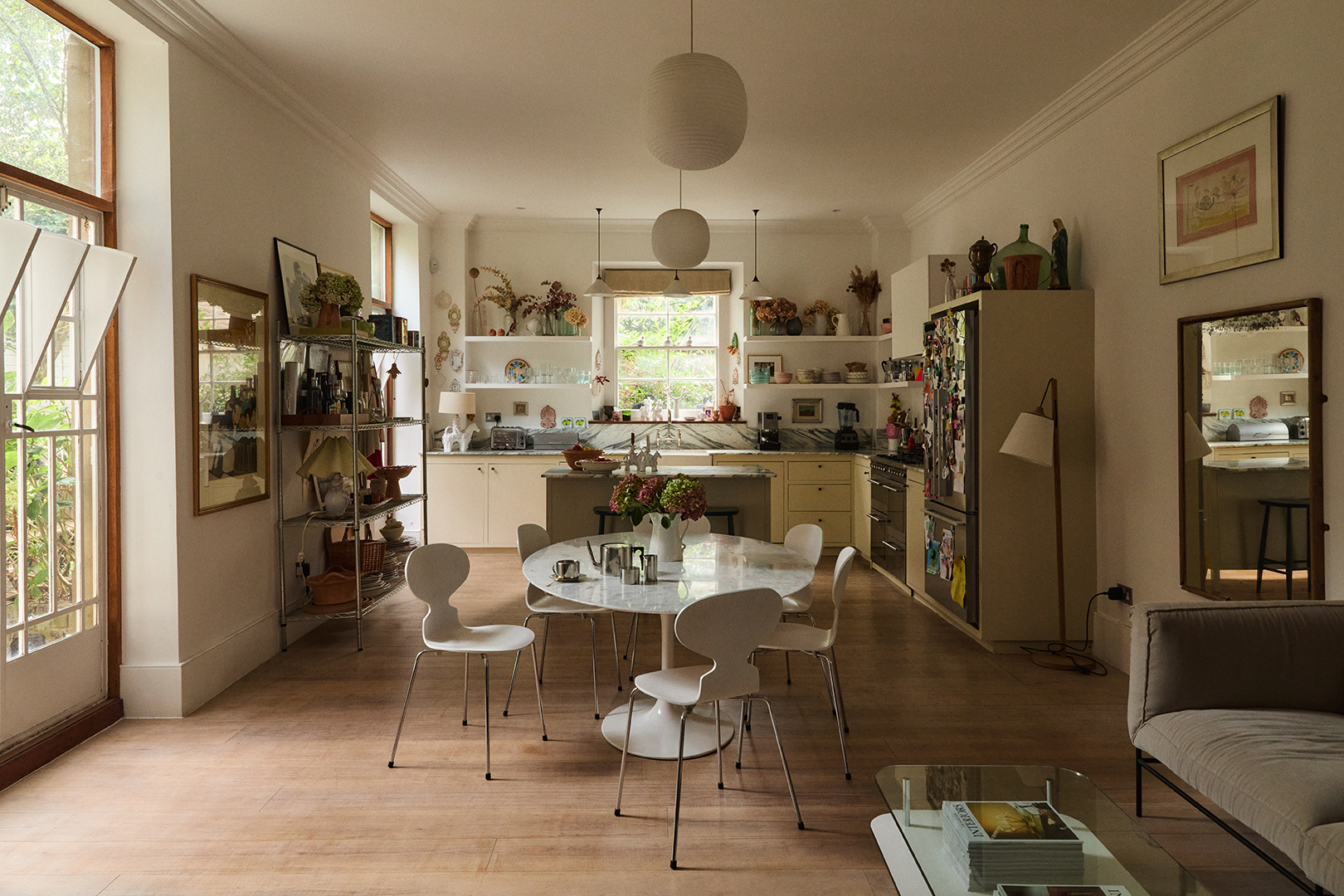
I hope we’re moving away from the obsession with “perfect” spaces; homes that feel overly staged, overly coordinated, and so polished that there’s no real life or soul in them. What I’d rather see in 2026 are interiors that actually have a story. Pieces with personality, rooms that feel collected rather than curated, and materials that show their age and texture. —Windsor Dalton, founder of Windsor Dalton Design