
By Robert Scucci
| Published 33 seconds ago
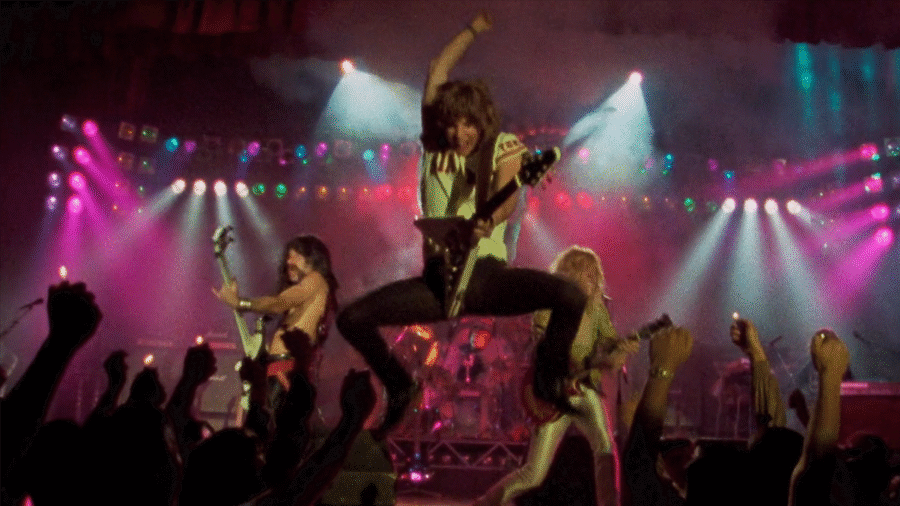
Last year, when Spinal Tap II: The End Continues (my review here) was announced, I was over the moon and couldn’t wait to see it. Growing up around musicians who love satire, the same kind of people I still hang out with today, I always assumed that everybody held this movie in high regard as one of the greatest comedies of all time. To my horror, I recently learned just how niche 1984’s This Is Spinal Tap actually is, and how its cultural returns are diminishing with each passing year.
The Generational Line (noun) – A cultural threshold marking whether a work survives its original moment and remains emotionally legible, influential, and voluntarily embraced by later generations.
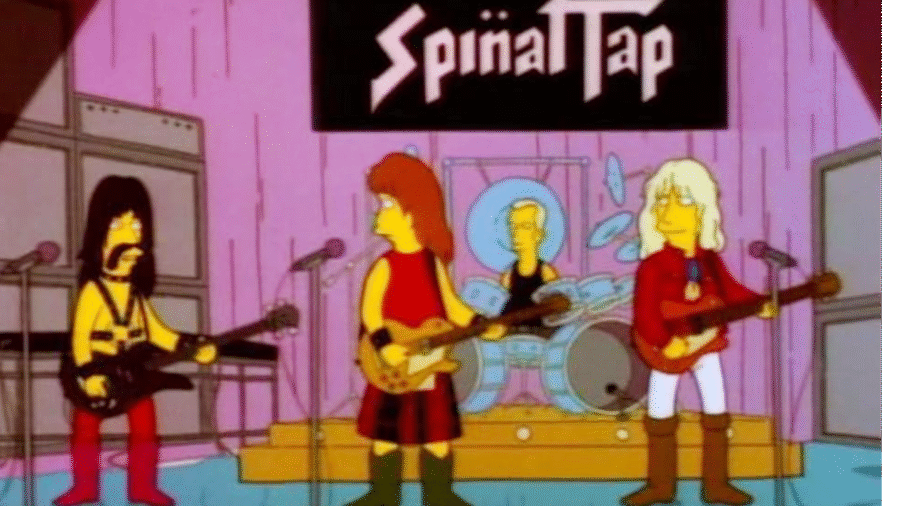
“But Rob, Spinal Tap was in that one Simpsons episode from 1992” is probably what you’re thinking. However, that’s also a deep cut that not many people born after 1995 are going to relate to, let alone recognize as a significant pop culture moment (Harry Shearer may beg to differ).
The closest modern media property operating in the same space as This Is Spinal Tap is Metalocalypse, which is already becoming a distant memory. What’s wild is that I know plenty of people who praise the fantasy cartoon that’s directly inspired by This Is Spinal Tap, yet have never actually seen the movie itself.
So what’s the deal? Why aren’t Spinal Tap, the band and the movies, crossing The Generational Line? The answer is surprisingly simple. The target of its satire no longer exists.
We Have The Same Rock Stars Now That We Did Back Then
One thing that any musician, and plenty of non musicians for that matter, will tell you is that the idea of the larger than life rock star is effectively dead. Don’t get me wrong, bands like Aerosmith, Guns N’ Roses, Metallica, The Rolling Stones, and AC/DC still exist, but that’s exactly the problem. It’s the same rock stars that anyone born in the 80s grew up watching dominate the airwaves.
These artists no longer live excessive lifestyles, trash dressing rooms, or make headlines for doing anything particularly outrageous. When they do make the news, it’s usually about retirement tours or long term health planning, because you can’t live forever. Rock stardom has aged into something closer to brand management.
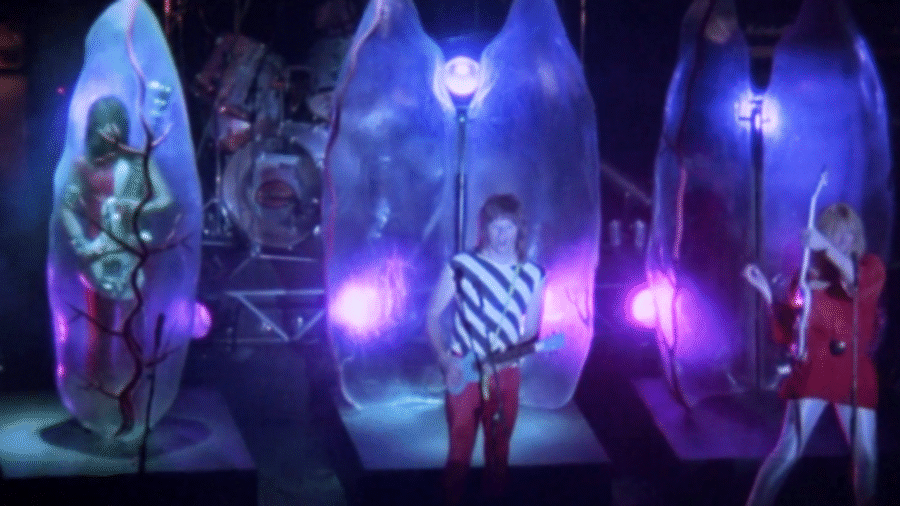
What’s more, hindsight has taught us that some of the so-called excess wasn’t nearly as unhinged as we once believed. The infamous Van Halen story about trashing venues over brown M&Ms is a perfect example. For years, it was treated as peak rock star insanity.
David Lee Roth later explained that the clause in their tour rider was actually a practical safety check. Van Halen’s stage show was massive, technically demanding, and very, very dangerous. The brown M&M rule existed as a visual shortcut. If the band saw brown M&Ms in the dressing room, it meant the venue hadn’t carefully read the rider, which meant the stage might not be safe for the band and the audience.
If the venue failed that test, the band would refuse to play, still get paid, and occasionally blow off steam with a food fight because the night was effectively ruined. Once that story came out, rock excess started to feel less like reckless chaos and more like logistics wrapped in theatrics.
I’m not saying bands like Mötley Crüe or Pantera didn’t earn their reputations, because they absolutely did. But the kind of excess that This Is Spinal Tap was skewering was already exaggerated for the average casual music fan, even back then.
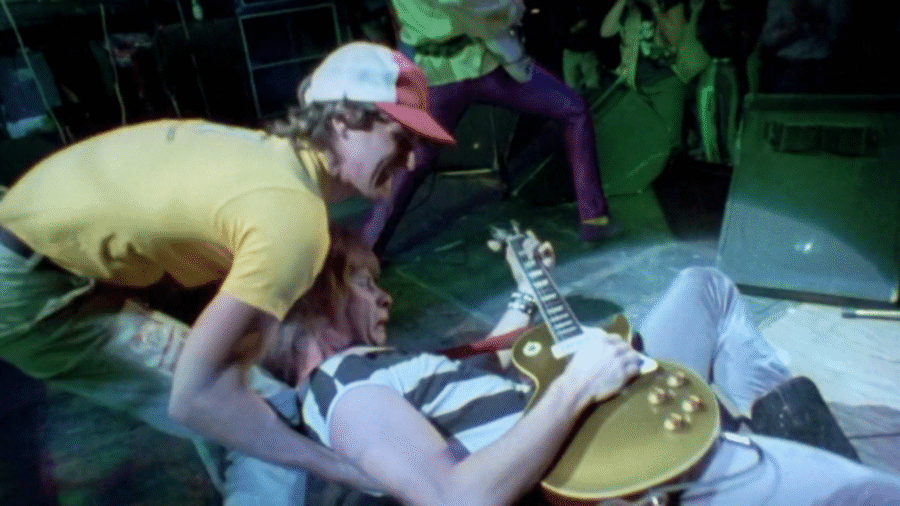
So who do we have now? Green Day and Blink 182 still move units, but they’re not exactly spring chickens. That’s not a knock, that’s just how time works. Machine Gun Kelly sells records. Taylor Swift sells more than everyone combined. Meanwhile, if you still listen to local rock radio, you’re hearing the same artists that This Is Spinal Tap was parodying in the 80s, only now they’re sober, stretching, and trying to stay limber enough to make it through a tour.
These guys aren’t trashing hotel rooms anymore. They’re burning incense and doing yoga. Lars Ulrich rides his Peloton to get his cardio in before hitting the stage. That version of rock stardom doesn’t support the same kind of satire.
The Weird Al Theory
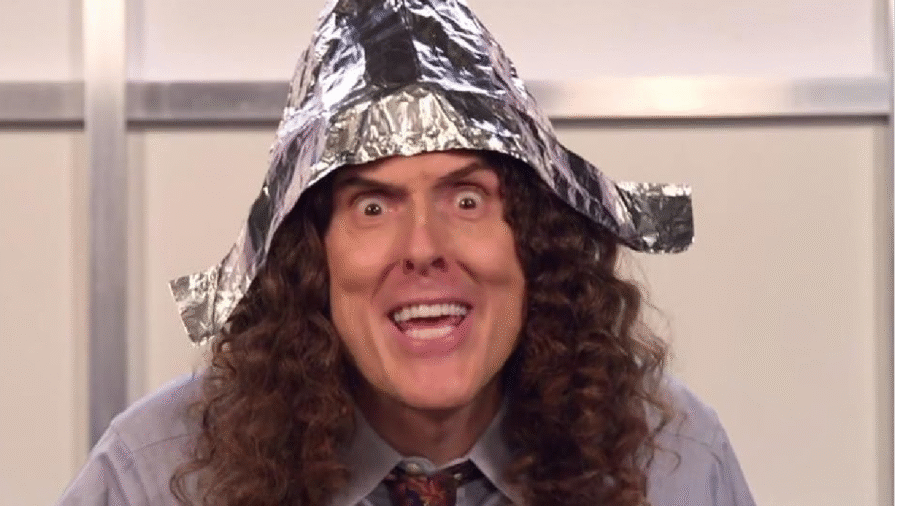
Even setting modern rock logic aside, the real nail in the coffin for cult classics like This Is Spinal Tap is that we don’t consume media the same way anymore. The idea of everyone watching the same thing over the weekend and talking about it on Monday is basically gone. Remote work plays a role because there’s no longer a water cooler to gather around, but the bigger issue is fragmentation. None of us are watching the same stuff at the same time anymore.
There are countless streaming platforms, and the algorithm funnels us toward hyper specific content that perfectly matches our individual tastes. Most people refer to this as the death of monoculture. Albums used to drop on Tuesdays. Comic books came out on Wednesdays. Movies premiered on Fridays. Now content appears whenever someone feels like releasing it, sometimes with zero fanfare.
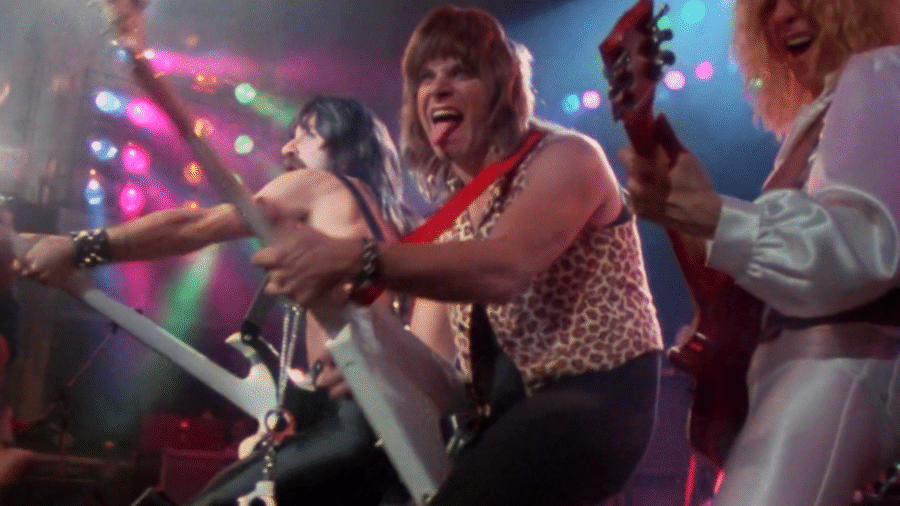
Lately, I’ve started calling this absence of a monoculture the “Weird Al Theory.” In the 90s, hit songs stuck around for months or even years. Every few years, “Weird Al” Yankovic would resurface, parody the biggest tracks, and release an album that felt perfectly timed. That model simply doesn’t work anymore. Music trends burn out almost instantly, and there’s no shared cultural runway for parody to land the same way.
The same thing happened to This Is Spinal Tap. Its target disappeared. Rob Reiner clearly understood this, which is why Spinal Tap II: The End Continues doesn’t function as satire so much as a straight comedy. You can still make a movie about musicians bickering over stage shows and egos, but it can’t be niche if you want people to buy tickets.
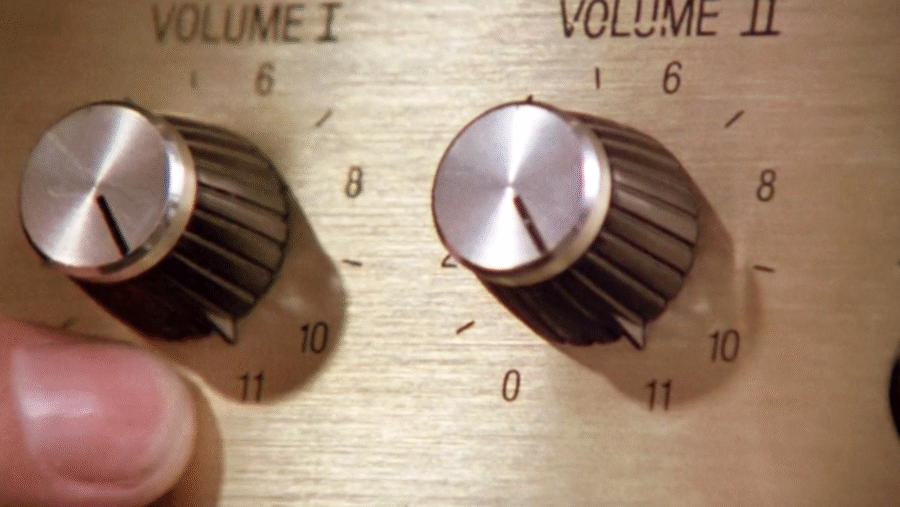
People still say “this goes to 11,” but most have no idea it was a joke about Marshall amplifiers. They just know it means one more than 10, completely divorced from its original context.
As time keeps moving forward, Spinal Tap, the band and the films about them, will continue to fade further into obscurity. And that’s a s*** sandwich that’s genuinely hard for me to swallow.
This is Spinal Tap, and Spinal Tap II: The End Continues are both currently streaming on Max.