
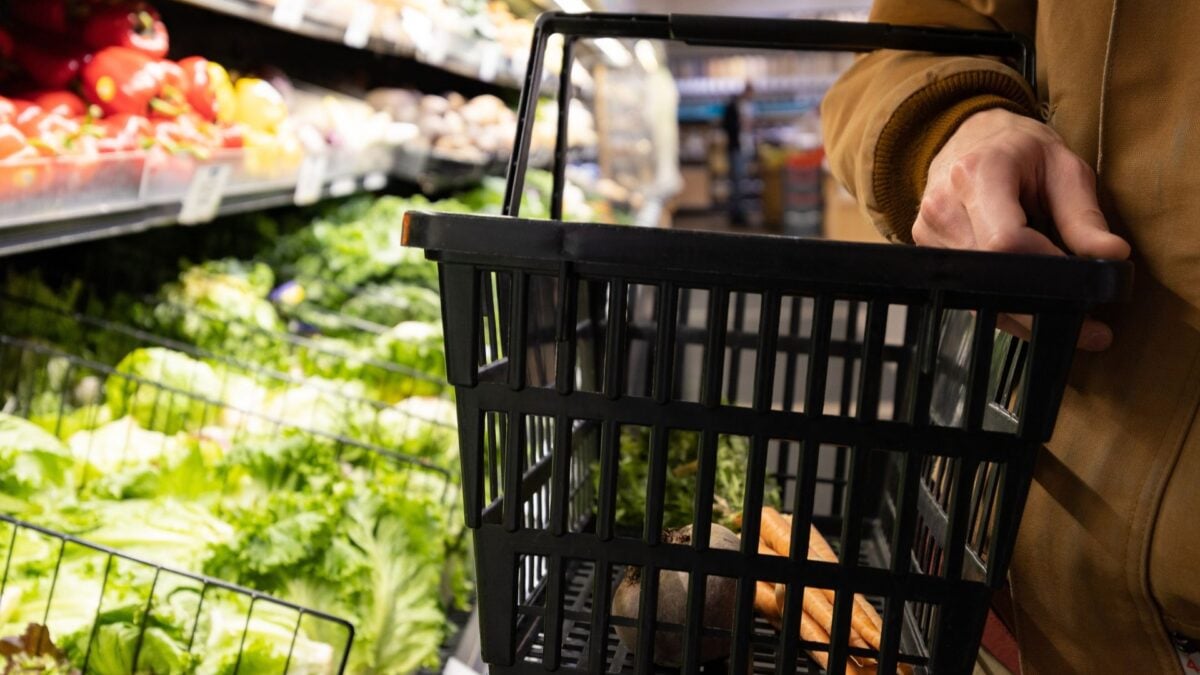
It looks like weight isn’t the only thing that Ozempic is helping people trim down. New research shows that people on GLP-1 therapy tend to lighten their shopping lists, too.
Scientists at Cornell University examined the shopping habits of people after they began taking a GLP-1 drug. Compared with similar households with no reported GLP-1 use, people on GLP-1s spent less on their grocery bill, particularly on snack foods. The effects on grocery spending only seemed to last as long as people were on the drug, however.
“The data show clear changes in food spending following adoption,” said study author Sylvia Hristakeva, an assistant professor at Cornell’s SC Johnson College of Business, in a statement from the university.
The GLP-1 dip
Studies have consistently shown that GLP-1 drugs like semaglutide (the active ingredient in Ozempic and Wegovy) help people lose weight more effectively than diet and exercise alone. Some research has also shown that people’s food habits significantly change for the better once they get on a GLP-1.
According to the authors, though, these latter studies have largely relied on self-reported surveys of GLP-1 users, which can be subject to several issues (people aren’t great at remembering even their recent meals, for one). In this current study, they were able to analyze more objective data from the market research firm Numerator, which regularly tracks the grocery and restaurant shopping habits of a large, representative sample of American households. Importantly, this data also included information about whether someone in a household had started taking a GLP-1 medication.
They compared homes where at least one person reported being on a GLP-1 drug to similar homes where no recent GLP-1 use was reported. All told, GLP-1 households experienced a reduction in their grocery spending by 5.3% within six months of adopting the drug, the researchers found. High-income households saw an even bigger reduction of 8.2%. While there were reductions across most kinds of food, the largest decrease was seen in savory snacks; GLP-1 households spent an average of 10.1% less on these foods. By contrast, GLP-1 users began to spend a bit more on relatively healthier food categories like yogurt and fresh fruits.
Not necessarily lasting
The findings also appear to reaffirm an unfortunate reality about these drugs—they only work as long as you take them.
About a third of households reported discontinuing their GLP-1s during the study. And the researchers observed that these people’s grocery bills climbed back up to their baseline. Some former users even started to buy a larger share of unhealthier foods than before, such as candy. Other research has suggested that people who stop taking GLP-1 therapy tend to regain much of the weight they lost, often within months.
That’s hardly a phenomenon unique to these drugs, as anyone who has tried and failed to maintain their lost weight before Ozempic knows. But it is an important consideration to keep in mind for people thinking about going on a GLP-1. Still, the researchers say their work illustrates how these drugs aren’t just changing people’s numbers on the weight scale but also society at large.
“These findings highlight the potential for GLP-1 medications to significantly change consumer food demand, a trend with increasingly important implications for the food industry as GLP-1 adoption continues to grow,” the authors wrote in their paper, published this month in the Journal of Marketing Research.