
NORTH CHARLESTON, S.C. (WCIV) — After a week marked by gun violence and tragedy in North Charleston, police say a recent incident ended with a rare but meaningful outcome – a life saved.
North Charleston Police Chief Ron Camacho said officers were able to intervene before a situation turned fatal, calling it a positive moment amid an otherwise difficult stretch.
“On the bright side, we saved a life,” Camacho said. “With all this tragedy, all this death that we’ve dealt with this week, it is positive to see that we saved a life.”
The incident comes as community members continue to grapple with broader public safety and mental health concerns, including last week’s nearly 10-hour traffic standstill that shut down a major roadway and left many asking what more can be done to prevent bridges and overpasses from becoming sites of suicide attempts.
READ MORE | “Mayor Burgess shares personal drive behind new safety measures on Ashley Phosphate Road.”
Mental health advocates say physical barriers can play a critical role in prevention.
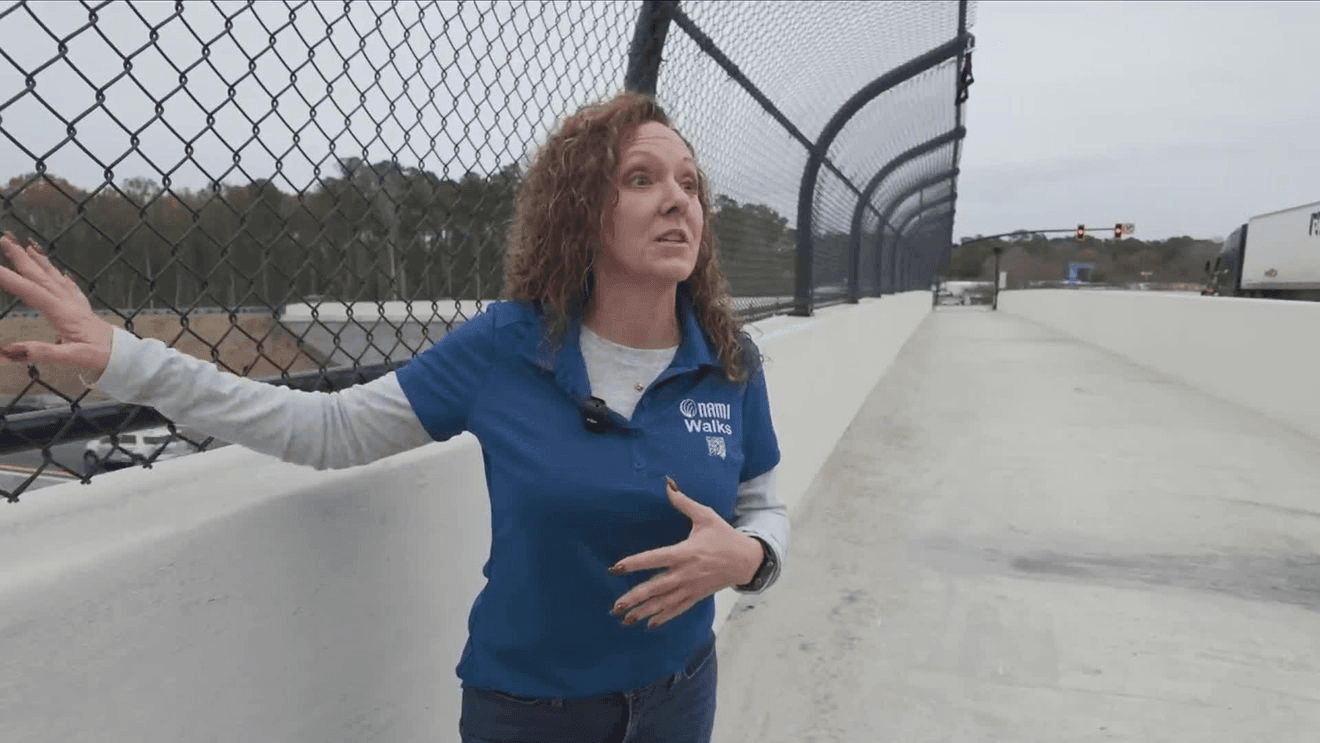
“These barricades would be so beneficial even if it were to just stop someone for a few moments to think about what is happening and what their decision is about what they’re about to do,” said Laura Moss, deputy director of the National Alliance on Mental Illness of South Carolina.
The recently opened Weber Interchange already includes a jump guard, designed to prevent people from accessing the edge of the overpass and to give authorities time to respond if someone attempts to climb it.
A similar barrier was installed earlier this year on the Ashley Phosphate Road overpass following two suicides there. The South Carolina Department of Transportation said a $125,000 grant paid for that barrier.
READ MORE | “Palmetto Commerce Interchange opens, easing traffic in North Charleston, tri-county area.”
Now, NAMI of South Carolina is pushing for the addition of 988 signage on bridges and overpasses statewide, arguing that a visible reminder of help could save lives.
“Signage that would alert them to resources, that they are not alone, that 988 is out there to help them as a resource in a moment of crisis,” Moss said.
The Suicide and Crisis Lifeline transitioned from a 10-digit phone number to the three-digit 988 nearly three and a half years ago. Since then, demand for services has continued to rise.
“Recently, our answer rate for our state is around 86%,” said Jesse Kobernik, suicide prevention program manager with the South Carolina Department of Behavioral Health and Developmental Disabilities. “We were able to get to 90% in June, but our call volume demand continues to increase, so more and more people are reaching out.”
READ MORE | “Dashcam captures officer’s rescue on Ashley Phosphate bridge, spurring calls for action.”
With two call centers now operating in South Carolina, officials say more support is available than ever before. Kobernik emphasized that callers do not need to be in immediate crisis to reach out.
“You can also call if you are not in a crisis, but you feel like you need to talk to somebody,” he said. “988 is there as well to talk, and you can call if you’re worried about somebody else.”
For those not directly involved in last week’s incident, advocates say the emotional toll can still be significant.
“And I think any of us with a heart are touched by it,” said Charlotte Anderson, a survivors of suicide support group host with Coastal Crisis Chaplaincy. “Give your heart that space to feel that, and then do what works for you — whether that’s saying a prayer, having a moment of silence, or reaching out to a family member or a friend.”
Anyone struggling or concerned about someone else can call or text 988, the Suicide & Crisis Lifeline, available 24 hours a day.