
Heart disease continues to be one of the leading causes of illness and mortality in India, affecting not just older adults but increasingly younger people as well. With lifestyle-related risk factors such as poor diet, lack of physical activity, chronic stress and inadequate sleep on the rise, protecting heart health has become more important than ever.
 Protecting heart health: Check out key insights from top cardiologists in India. (Freepik)
Five cardiologists from India’s top hospitals share their expert insights with HT Lifestyle on what truly matters for keeping your heart strong and healthy. (Also read: Heart failure: Cardiologist highlights 5 subtle signs like swollen ankles that indicate your heart is weakening )
1. How everyday Indian foods raise heart disease risk
To understand how diet affects heart health, Dr Sunil Kumar Mandal, consultant cardiologist at Kailash Hospital, Greater Noida, warned that Indians are developing heart disease nearly 10–15 years earlier than Western populations, making mindful eating essential. According to him, common staples such as deep-fried foods, refined carbohydrates like white rice and maida, and high-sodium items such as pickles and papads can raise cholesterol, spike blood sugar and increase blood pressure.
He advised prioritising a balanced diet rich in fruits, vegetables, legumes, nuts, whole grains and healthy fats, along with portion control and healthier cooking methods like steaming and baking to protect heart health.
2. Why winter months increase risk of heart attacks
Dr Rajesh T R, Director and Senior Consultant, Cardiothoracic and Vascular Surgery (CTVS) at KIMS Hospitals, Bengaluru, explained that winter weather can significantly strain heart health. Cold temperatures cause blood vessels to constrict, raising blood pressure and forcing the heart to work harder, while sudden exposure to cold can trigger spikes in heart rate and reduce oxygen supply, especially risky for those with blocked arteries.
 Winter heightens heart attack risks due to respiratory infections and unhealthy habits.(Image generated via Google Gemini)
Winter also increases the risk of respiratory infections, physical inactivity, unhealthy eating, and thicker blood, all of which elevate the chances of heart attacks and strokes. To reduce risk, he advised dressing warmly, staying physically active indoors, eating heart-healthy foods, staying hydrated, and closely managing existing conditions like hypertension and diabetes.
3. Why heart attack symptoms in women often get missed
Dr Sanjay Kumar, Senior Director of Cardiology at Fortis Hospital, Faridabad, explains that heart attack symptoms in women are often difficult to detect because they are usually subtle and atypical. “Women tend to have smaller coronary vessels and more diffuse plaque, which makes the disease harder to diagnose and increases the risk of recurrence,” he says, adding that, unlike men, women may not experience classic chest pain.
Instead, warning signs can include jaw or upper back pain, nausea, palpitations, unexplained sweating, and breathlessness even during light activity, symptoms that are often mistaken for stress, acidity, or fatigue. He emphasises that while these signs may overlap with other conditions, experiencing one or more should prompt a timely medical evaluation to rule out underlying heart disease.
4. What slow heart rate (bradycardia) means for your health
Dr Dilip Kumar, Senior Interventional Cardiologist and Device Specialist at Manipal Hospital, Kolkata, explains that bradycardia is a condition in which the heart consistently beats slower than 60 beats per minute, which can be concerning as it may reduce the supply of oxygen-rich blood to the body. “While a slow heart rate can be normal in athletes, in others it may point to a problem with the heart’s electrical system,” he says.
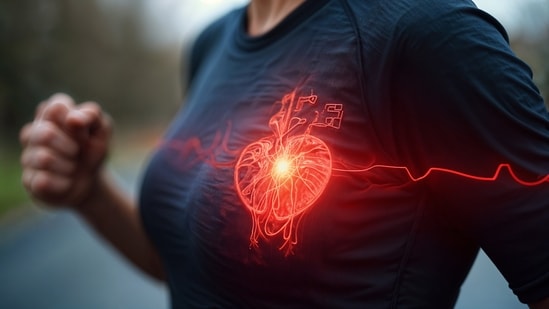 While an abnormal heart rhythm with a fast heart rate can range from mild to life-threatening, often people ignore a slow heart rate. (Freepik)
Older adults, people with heart disease, diabetes or kidney issues, and those on certain medications are at higher risk and should be cautious. Common warning signs include persistent fatigue, dizziness, fainting spells, breathlessness during mild activity, and chest discomfort. Although not all causes are preventable, Dr Kumar notes that a heart-healthy lifestyle, stress management, and regular medical check-ups can help lower the risk and detect issues early.
5. Festive indulgence and its hidden impact on heart health
Dr Abhijit Khadtare, cardiologist at Ruby Hall Clinic, Pune, shared that while festive celebrations are not inherently dangerous, the drastic lifestyle changes that often come with them can pose serious risks for people with heart disease and diabetes. He noted that hospitals typically witness a post-holiday rise in emergency admissions related to heart attacks, uncontrolled blood sugar levels and blood pressure crises.
According to him, common festive challenges include overeating foods high in sugar, salt and saturated fats, disrupted sleep and medication routines, alcohol consumption, and emotional exhaustion from socialising and travel, all of which can strain the heart and upset metabolic balance even over a short period.
Note to readers: This article is for informational purposes only and not a substitute for professional medical advice. Always seek the advice of your doctor with any questions about a medical condition.