
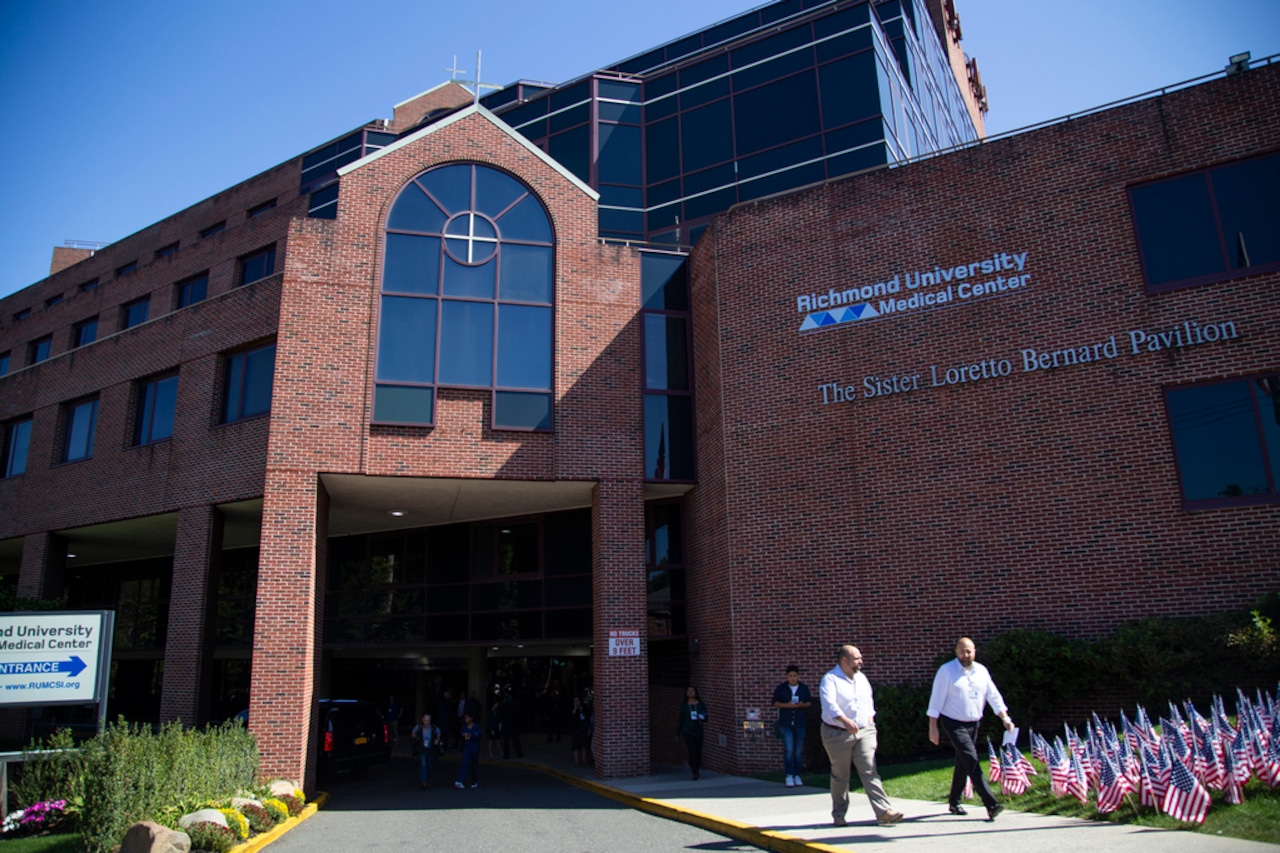
STATEN ISLAND, N.Y. — A New York nurses’ union voted Monday to authorize strikes at a dozen different hospitals, including West Brighton’s Richmond University Medical Center (RUMC).
Members of the New York State Nurses Association (NYSNA) at the 12 hospitals voted overwhelmingly, 97% according to the union, to authorize strikes should contract negotiations fail by the deals’ end-of-year expirations.
Lisa Yeno, a member of the union’s negotiating executive committee at RUMC, said nurses’ main concern at the local hospital is a lack of security, which she said can often leave her and her colleagues at risk of becoming victims of violence.
“We’ve had some incidents in the recent past of nurses getting assaulted and in pretty significant situations where nurses have been significantly injured,” Yeno, a 25-year veteran of the hospital, said. “We’re asking for some more increased security and metal detectors, weapons detectors and panic buttons, because we’ve seen an increase in workplace violence, especially in places like the emergency room and pediatric units.”
A November 2024 incident saw a 24-year-old patient punch and pull the hair of 23-year-old nurse whom she was treating. Ultimately, Supreme Court Judge Alexander Jeong found the alleged perpetrator unfit to stand trial.
In another high-profile 2024 incident, a 19-year-old man allegedly assaulted two nurses along with other hospital staff during a March visit to the RUMC emergency room that year.
Other RUMC nurse concerns include the hospital’s staffing shortfalls that can leave colleagues attending to more patients than they can effectively handle, and reductions to their healthcare benefits, Yeno said, adding that talks with hospital management had been ongoing since October.
RUMC spokesperson Alexander Lutz said talks remain ongoing but declined to comment on specifics of the negotiations. He said that safety is a top priority for everyone at the hospital.
“Incidents of violence toward medical staff do occur in hospitals across New York City on occasion and RUMC is unfortunately not immune to these challenges. We are committed to providing a secure environment where our staff can focus on delivering exceptional care to our patients,” he said. “RUMC maintains a highly trained security team, works closely with the NYPD for immediate support when needed, and has long utilized security detectors at all key entry points, among other precautionary and preventive measures we have in place.”
Yeno, a resident of Grasmere, said her union’s negotiating team at the hospital has a ‘decent’ working relationship working relationship with the hospital’s administration, but that time is running out to get a deal done.
A strike would mean the hospital would need to hire outside nurses to meet its staffing needs while the labor action is ongoing.
“I’m hoping that in these next few days, they (hospital administrators) will come to make us a counter proposal, but with that being said, if it doesn’t happen, we did take this strike vote,” she said. “Nobody wants to do that. Nobody wants to strike, but it’s a type of maneuver we need to do now, because we’re not getting any headway.”
The other hospitals around the city where NYSNA members authorized strike actions are BronxCare Health System, The Brooklyn Hospital Center, Flushing Hospital Medical Center, Interfaith Medical Center / One Brooklyn Health, Kingsbrook Jewish Medical Center / One Brooklyn Health, Maimonides Medical Center, Montefiore Medical Center, Mount Sinai Hospital, Mount Sinai Morningside and Mount Sinai West, NewYork-Presbyterian Hospital Columbia University Medical Center and Wyckoff Heights Medical Center.
Staff at many of those hospitals are experiencing the same kind of concerns seen at RUMC, but many are also facing stagnant wages while seeing inflated executive pay, and unclear futures as artificial intelligence tangles its way into the healthcare industry, according to the nurses.
Union President Nancy Hagans, a Ward Hill resident, called on the hospitals’ leadership teams to work with nurses to avoid strikes around the city.
“We became nurses because we care about our patients deeply and do not take striking lightly. It is always a last resort. But it’s shameful that instead of trying to protect care and settle a fair contract, hospitals are dragging their feet and making proposals that would seriously erode care in this city,” she said. “They should be trying to work with frontline nurses right now, not fighting against us. It’s shameful that they would try to hold healthcare coverage hostage for the nurses who care for this city’s communities.”