
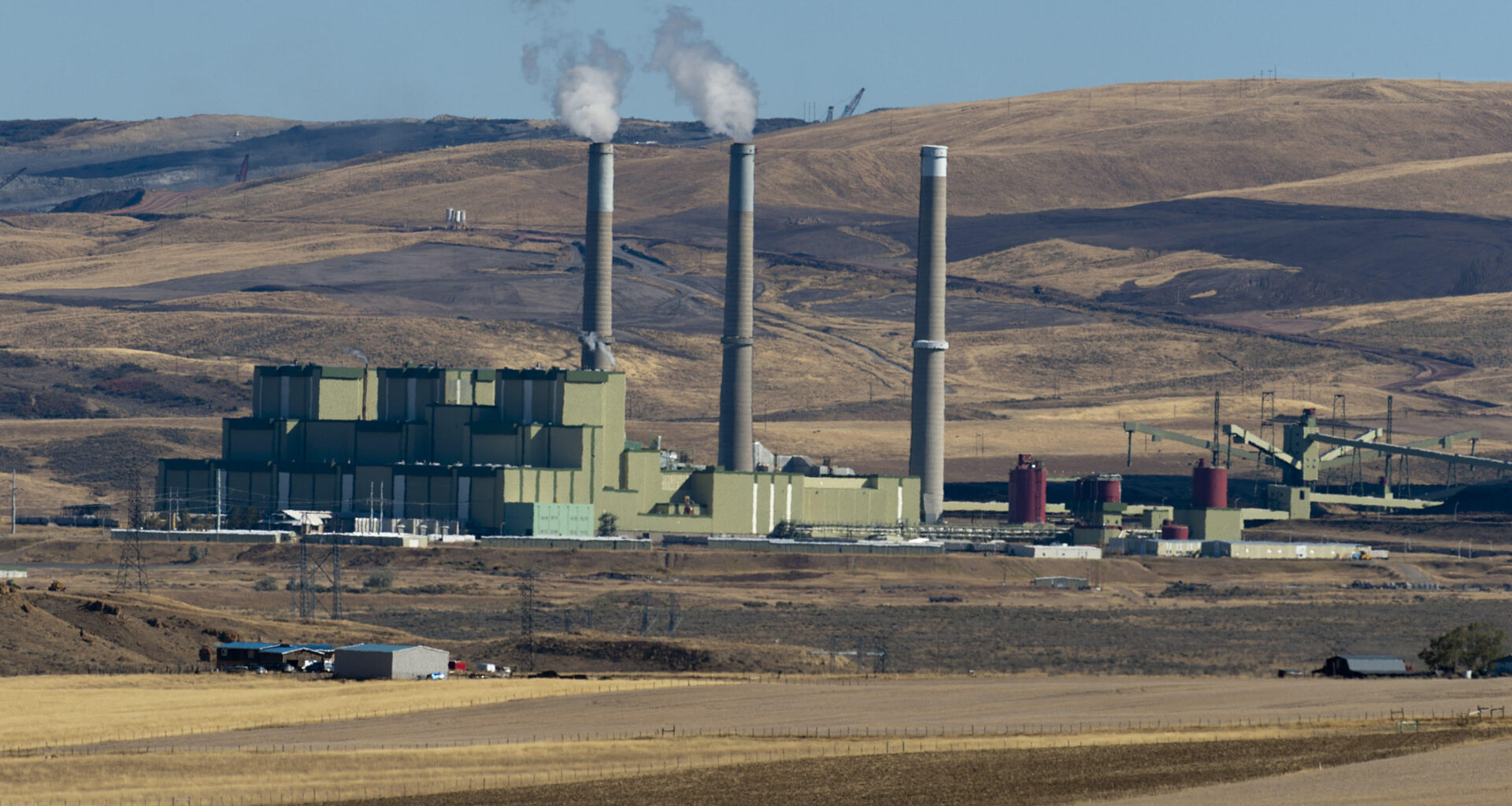
Colorado has now fallen two years behind its targets for greenhouse gas cuts by 2025 and 2030, an erosion state officials are blaming in part on Trump administration policies wiping out renewable energy programs.
But environmental watchdogs note the state was already heading for failure before President Donald Trump’s second term began, and that Colorado must get bolder with state-controlled policies to cut carbon emissions faster and reach mandated 50% cuts from a 2005 baseline by 2030.
It’s already too late to reach the initial goal of 26% cuts by this year, with an updated carbon accounting released last week showing the gains at only 21%.
“For years, study after study have shown Colorado is off track from its climate targets, including the state’s own analysis from two years ago, before the federal government was dismantling climate and energy programs,” said Katie Schneer, manager of clean electricity and carbon markets for the nonprofit Environmental Defense Fund in Colorado.
“Colorado has made important progress in some areas, like cutting pollution from oil and gas and from power plants, but to get on track with the climate targets we need comprehensive strategies that can cut pollution across the economy and put money back in people’s pockets,” Schneer said.
The EDF is backing a new “cap and invest” proposal favored by U.S. Sen. Michael Bennet, who is also running for the Democratic nomination for the 2026 governor’s race.
In a cap and invest program, a state sets an overall carbon emissions limit declining each year, and auctions “allowances” to companies to emit a portion of the cap. Companies can buy the allowances from the state or from other companies that have earned credits by cutting pollution. The state’s auction proceeds go to carbon-cutting investments such as expanded EV buying rebates, utility bill rebates, swapping natural gas furnaces for electric heat pumps and other carbon-reduction tools.
Conservative groups call the cap and invest programs in Washington and California just another tax that consumers end up paying for, and handing billions of dollars to governments running wasteful programs.
Colorado officials releasing the 2025 greenhouse gas inventory update said a year ago when the previous tally was counted, the state was about a year behind its goals of 21% cuts by 2025 and 50% by 2030. Now, after Trump and Congress eliminated a lucrative federal subsidy for buying clean EVs and allowed some coal power plants to reopen or extend their runs, Colorado has fallen two years behind, said Colorado Energy Office chief Will Toor.
“What we’re seeing now is that, due to the federal rollbacks, we now think we’ll hit each one two years late,” Toor said, in an interview Friday. “So still on a pretty good downward trajectory, despite everything that the Trump administration is doing.” Things could get worse for the climate targets, Toor added.
“I would certainly put out a large caveat that that’s based upon the actions they’ve taken to date, and there’s lots of uncertainty about what’s going to come forward in the next three years,” he said. Gov. Jared Polis and Attorney General Phil Weiser, also running for governor against Bennet, have joined other states in filing numerous lawsuits attempting to block or reverse Trump’s environmental actions.
Colorado’s target set by legislation was for 109 million metric tons of total carbon emissions in 2025. The newly released inventory estimates actual emissions will be 115 million tons, for a gap of 6 million tons of carbon. For perspective, Xcel’s Comanche two remaining coal-fired power units emitted about 6.5 million tons of carbon dioxide in 2024.
Vehicle emissions are the most stubborn part of the fight
The update predicts Colorado’s various economic sectors will emit 76.9 million tons of carbon in 2030, when the mandated target is 73.4 million.
Most of Colorado’s gains on climate change-contributing greenhouse gases have been in the power sector, by retiring coal plants in favor of solar and wind farms, and to a lesser extent, on-demand natural gas turbines that emit about half the carbon of coal-powered systems. Gains have also come from reducing methane emissions in Colorado oil and gas production and distribution, which emits methane with supercharged contributions to climate change because it absorbs and traps more heat on Earth than carbon dioxide.
The Air Quality Control Commission recently passed another set of rules aimed at methane cuts, with new requirements on methane-producing landfills to gather the gas and either flare it to produce less-damaging carbon dioxide or burn it for electricity generation or vehicle fuel.
“A lot of the work that we’ve done can’t be easily undone, and it’s all still moving forward. And so we’re really positive about all of the work,” Toor said.
Cutting emissions in the transportation sector has been perhaps the most stubborn part of the carbon emissions fight in Colorado. After falling during the pandemic shutdowns, transportation fuel use has returned to the same levels of the 2005 carbon benchmark. Agricultural emissions, while a smaller portion of the whole, have also been flat.
Transportation is also the sector where Trump administration rollbacks of Democratic policies may slow the carbon gains the most in coming years. Colorado’s projections have counted on a gradual turnover of the gas-powered vehicle fleet to clean electricity, as well as a massive increase in miles per gallon requirements for gasoline vehicles.
The Clean Air Act requires vehicles to be regulated nationally rather than locally. The Trump administration is trying to cancel Biden-era fuel mileage standards of more than 50 miles per gallon. The administration is also trying to block California from enforcing requirements on what percentage of new cars sold must run on electricity, a law that Colorado and other states have copied. Letting a crucial $7,500 federal EV subsidy expire Sept. 30 was another blow to states’ greenhouse gas reduction efforts.
“In transportation we have more limitations in terms of what the state can do regulatorily, and so it definitely makes a difference when the federal government rolls things back,” said Stefanie Shoup, deputy director of regulatory affairs for the Colorado health department’s Air Pollution Control Division. “Transportation is probably the place where there are the most federal levers to impact that progress.”
Still, even with the end of the federal EV credit and congressional cuts to solar and wind development credits, “the underlying economy still favors clean energy,” Toor said. Solar and wind are still competitive power sources for utilities even without attractive subsidies, he said.
To get back on track with the state greenhouse gas targets, Toor said, Colorado must start tweaking programs in the upcoming legislative session.
“There are a couple of areas where I think there are things that we can pursue in the near term. One is trying to enhance our incentives for EV adoption. The governor included this in his budget request,” Toor said, and officials want to focus on rebates for lower-cost EVs, “where we think that tax incentives make the largest difference in their adoption.”
More work can be done supporting public transit, Toor added, and bolstering the Polis administration’s recent efforts to concentrate housing and other intensive land uses around clean transportation options.
In 2023, the legislature upped the ante by revising the targets and adding interim goals. On top of the 26% by 2025 and 50% by 2030, Colorado air pollution regulators are tasked with reaching 75% reductions from the 2005 benchmark by 2040, and 100% or net-zero emissions by 2050.
Type of Story: News
Based on facts, either observed and verified directly by the reporter, or reported and verified from knowledgeable sources.