
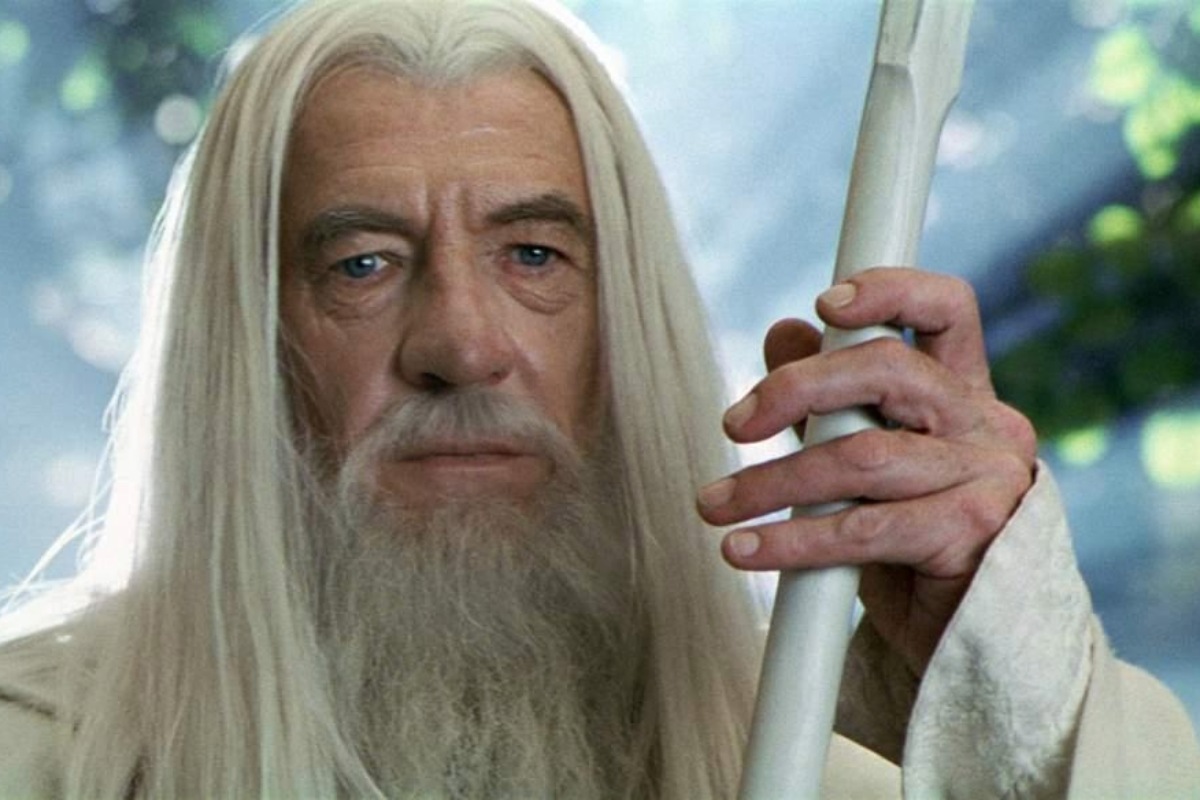
He rallied kings and lit beacons, yet he skipped the war that forged the Ring’s legend. Was it a blunder, a hidden mandate, or something the movies taught you to overlook?
Fans have puzzled over one conspicuous absence in Middle-earth’s greatest showdown: the wizard who would later steer the Third Age. The answer lives in Tolkien’s deep timeline, where Gandalf existed as Olórin in Valinor while the Last Alliance raged in the Second Age, watching rather than wading in until the Valar set his mission. It is the kind of lore Peter Jackson’s films skimmed past, feeding confusion and theories that refuse to die. Grasping that chronology reframes his ultimate role, turning absence at one battle into the strategy that shaped the next.
Why wasn’t Gandalf at the final battle?
For those deeply invested in J.R.R. Tolkien’s epic world, this question inevitably arises: why was Gandalf, an instrumental figure in the saga, absent from the Battle of the Last Alliance? This iconic confrontation, where elves and men united against the dark might of Sauron, is a cornerstone of Middle-earth’s history. Yet, Gandalf was nowhere to be found. To understand why, we must unravel some of Tolkien’s meticulously crafted lore.
What Gandalf was before he was Gandalf
Tolkien’s universe is more extensive than what the film adaptations reflect. Gandalf was not always the wise, determined wizard we know. Before he walked in Middle-earth, he was known as Olórin, a Maia dwelling in Valinor, the undying lands. The Maiar are lesser divine beings who serve the more powerful Valar. At this point in history, Olórin was a contemplative spirit, learning and observing, subtly encouraging the good but not directly taking the field in battles like the Last Alliance. His future role as a guide among the peoples of Middle-earth would only begin much later, during the Third Age.
The historical timeline: Gandalf’s story begins much later
One key reason for Gandalf’s absence is the chronology. The legendary Battle of the Last Alliance took place from 3434 to 3441 of the Second Age. The Istari, the order of wizards to which Gandalf belongs, did not arrive in Middle-earth until around year 1000 of the Third Age. His mission had not begun. The Valar waited to send him and the others until the shadow of Sauron began to grow again. When Olórin finally came as Gandalf, he landed at the Grey Havens, where Círdan recognized his role and entrusted him with Narya, the Red Ring, to strengthen hearts against fear and weariness.
Film adaptations and the fans’ questions
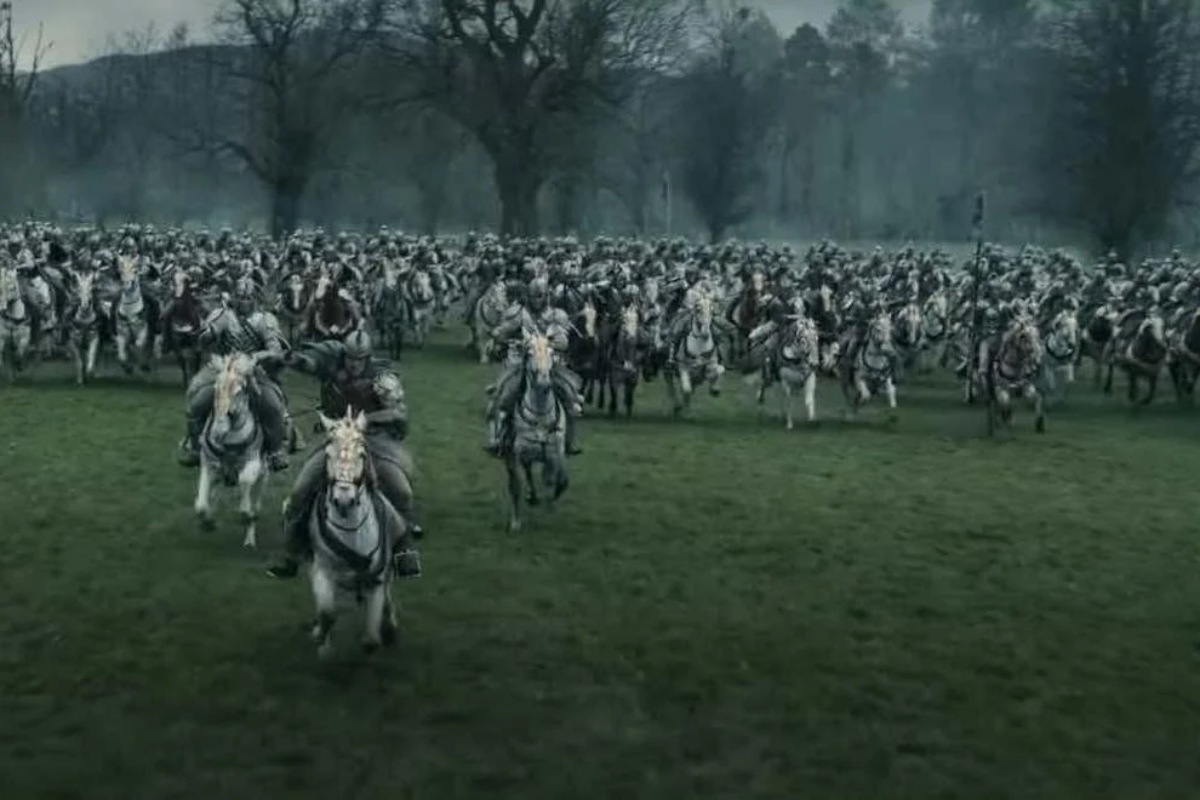
Peter Jackson’s films brought Middle-earth to life in breathtaking ways but could not include every intricacy of Tolkien’s writings. The prologue shows the Last Alliance yet does not explore Gandalf’s pre-Middle-earth identity or clarify why the wizards were not present in the Second Age. For viewers who know the story mainly through cinema, this can make Gandalf’s absence feel puzzling.
For readers of the books, however, his trajectory feels deliberate. Tolkien presents Olórin as an observer during the Second Age, aligned with the Valar’s patient strategy. Gandalf emerges later as a quiet catalyst whose counsel and courage help bring about Sauron’s final defeat in the Third Age during the War of the Ring.
How fans have responded
It is no surprise that fans have debated this point for years. Many embrace it as evidence of Tolkien’s far-reaching design, while others feel a lingering frustration. Gandalf’s absence from such a climactic event can seem odd when modern fantasies often favor constant, visible heroics. The idea that he was waiting for his appointed time feels both frustrating and poetic.
Ultimately, Gandalf’s path shows that even the most powerful figures abide by the rules of their world. His absence at the Last Alliance serves a narrative purpose, sharpening the impact of his deeds in the Third Age and deepening the sense of a history shaped by patience, counsel, and timing