
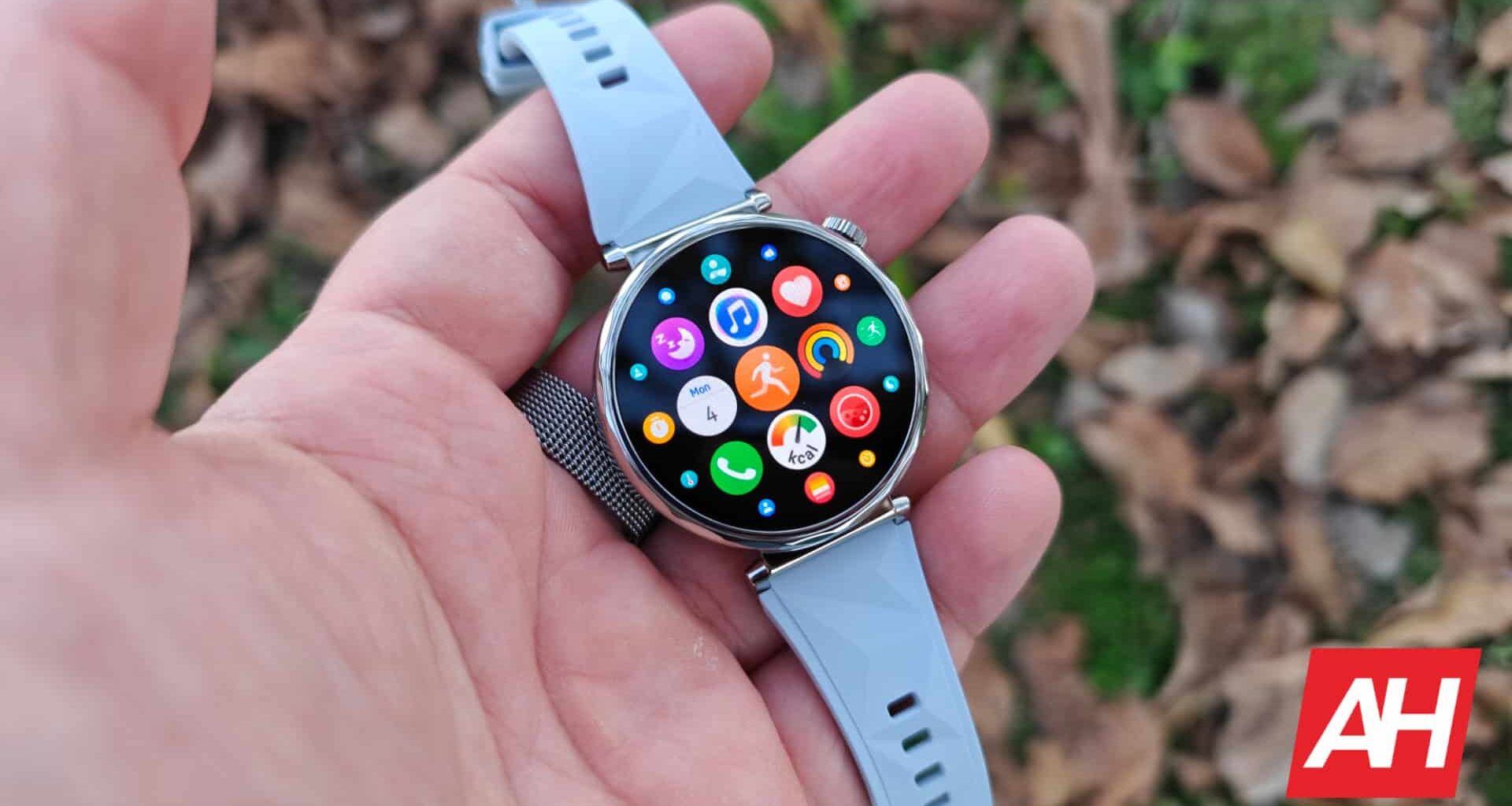
The global wrist-worn device market has shipped over 150 million units during the first three quarters of the year 2025. This category combines smartwatches and fitness trackers. As per IDC’s latest report, this represents a 10% increase over the same period last year. Huawei has been the leader for the past 9 months, while Xiaomi was the fastest-growing smartwatch maker among the top 5 during the first three quarters of 2025.
Xiaomi was the fastest-growing smartwatch maker in the first three quarters of 2025
The simple and affordable fitness trackers segment experienced a substantial increase in demand, with a 21.3% year-over-year growth. A total of 32.86 million units were shipped during the period. As for Huawei, the Watch GT 6 and Watch GT 6 Pro drove the company’s shipments. Though the company shipped a total of 28.6 million units globally, a vast majority of those (20.8 million) were from China. IDC reports that Huawei is working on expanding its overseas footprint.
It’s Xiaomi that holds the top 2 spot and is apparently the fastest-growing manufacturer among the top 5 in 2025. It shipped a total of 27.9 million units and saw a strong demand for affordable models like the Xiaomi Smart Band 10 and other Redmi watches. Besides a strong demand in China, Xiaomi also had a notable presence in Southeast Asia and South America.
Apple settled in the top 3 spot globally and the top 4 in China. The company has reportedly stabilized its position in the mid-to-high-end market. This year, the company’s focus was on 5G cellular network capabilities and satellite messaging.
Samsung reversed its decline
Then there’s Samsung in the top 4 spot globally. The company has been on a decline during the first half of the year, but with the arrival of Galaxy Watch 8 and Watch 8 Classic wearables in Q3, it was able to reverse this. The company achieved a year-on-year increase in cumulative shipments for the first three quarters.
IDC predicts that China’s wrist-worn device market shipments could reach 79.58 million units in 2026, a year-on-year increase of 5.1%. IDC says that advanced connectivity, along with integrating AI applications and more sophisticated health-tracking features, will be the key drivers of growth for the next year.