
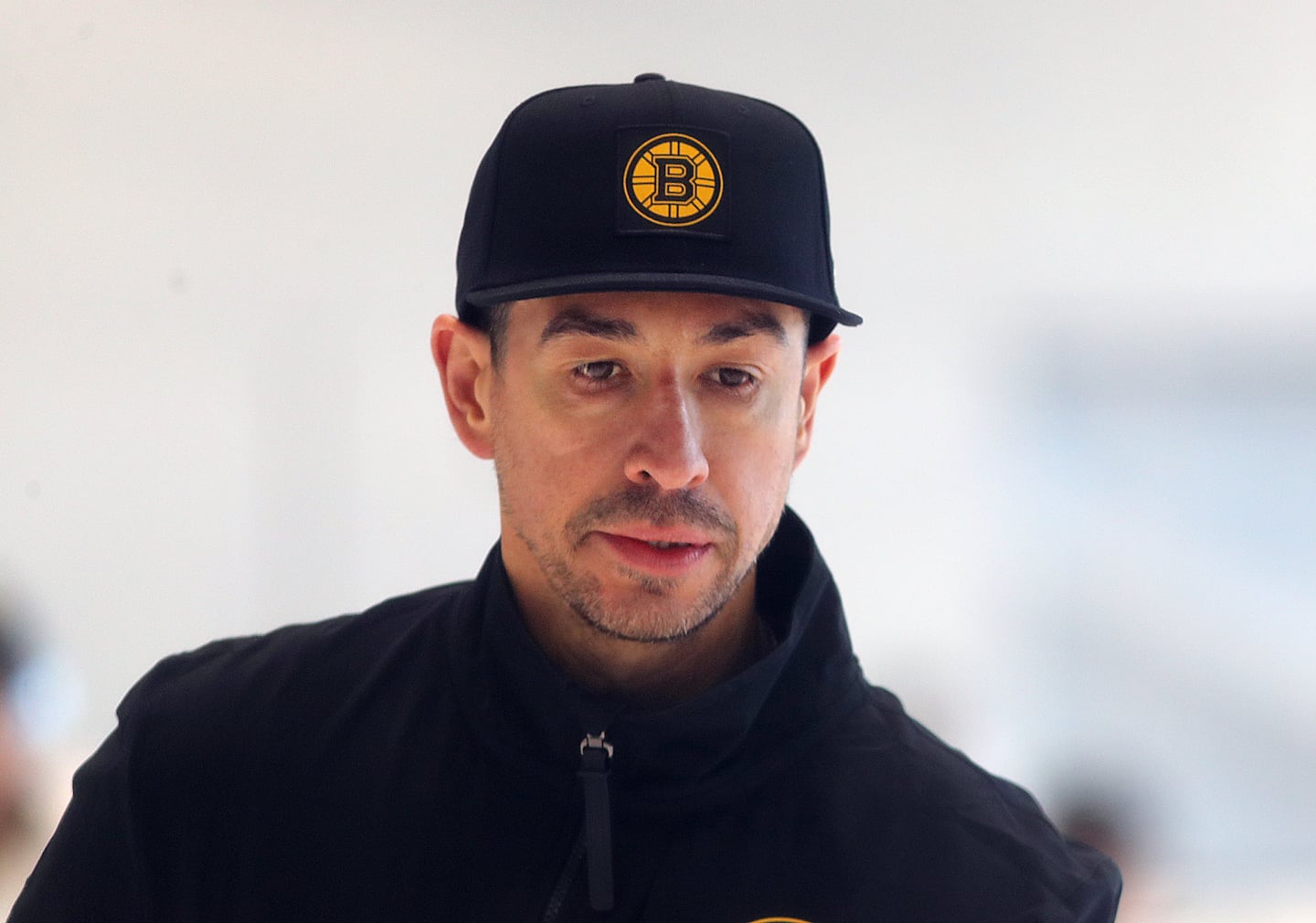
As Kelly’s 14-year NHL career was winding down — a journey that included a six-year run and a Stanley Cup in Boston — he began thinking about his next move.
“It’s funny … when you’re playing, you’re like, ‘When I’m done playing, I’m done. I’ll find something else to do,’ ” Kelly told the Globe recently. “And then you get closer to retirement, you’re like, ‘I kind of like hockey. So, maybe there’s something I can find to stay in it.’ ”
A reliable and responsible 200-foot center during his playing days, he has brought those same qualities to his second career.
Kelly joined the Senators, the club that drafted him, in a player development role for three seasons when Bruins general manager Don Sweeney gave him a call.
Get Starting Point
A guide through the most important stories of the morning, delivered Monday through Friday.
“I started off in development and I really liked development, but the opportunity came here when Jay Pandolfo went to [take over as coach at Boston University] and Sweens reached out to see if I’d be interested in an interview,” said Kelly. “And my family was on board. That’s the first and foremost that they had to be on board because it is a big commitment. It’s back to traveling a lot like a player and a lot of hours put in at the rink. So, they were on board. … It’s been good.”
Kelly has an excellent rapport with the players; he believes that stems from his days being on the bench rather standing behind it.
“I guess I’m kind of the guy I hope the players feel comfortable to come to and talk to me about any situations going on,” he said. “Kind of the middleman, I think, between the staff and the players. Not to say that the rest of the assistants aren’t very approachable. I think being a former player, I kind of maybe understand sometimes where they’re coming from and can think of being in their shoes at times.”
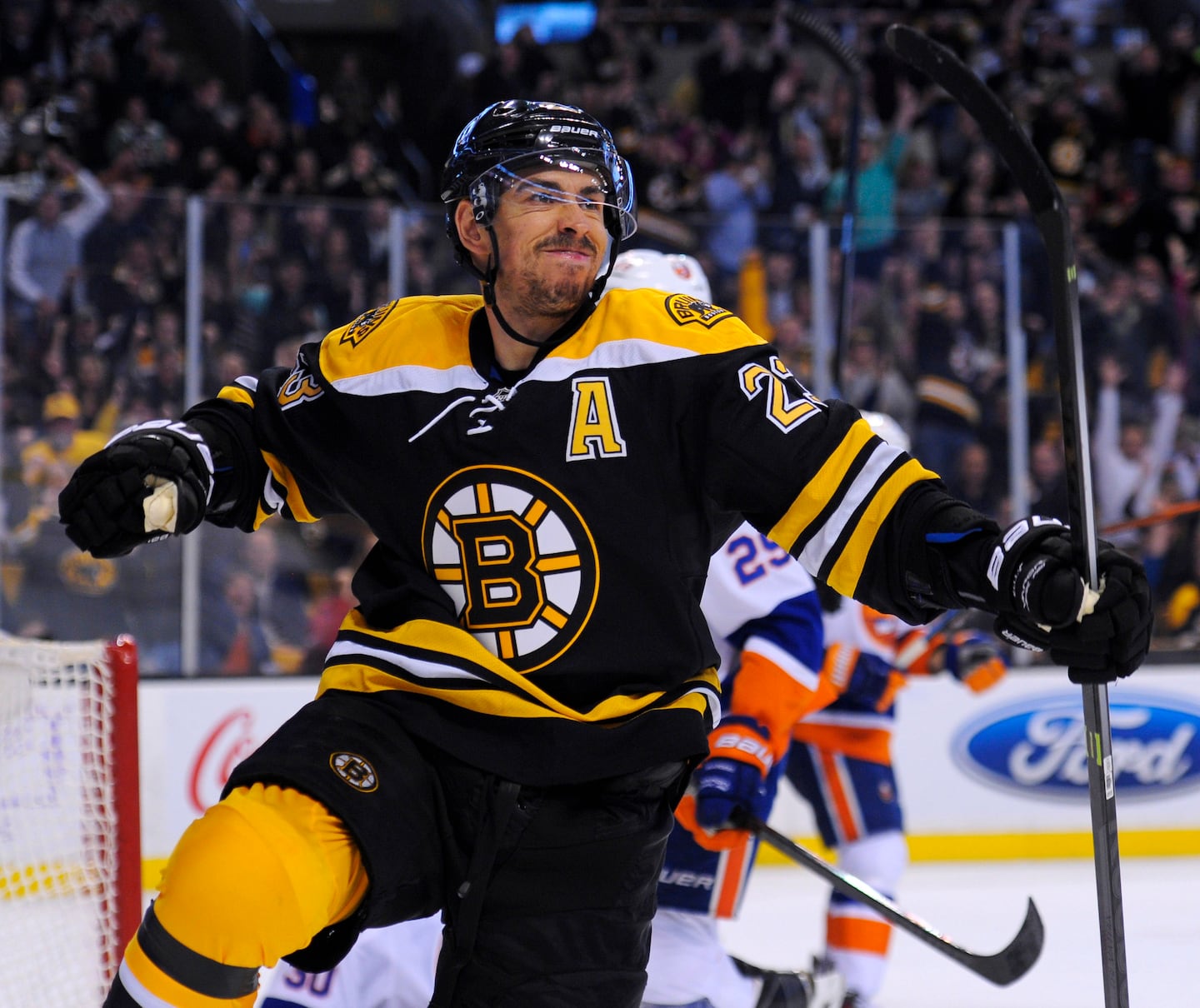 Chris Kelly was a solid two-way center for six seasons with the Bruins. USA Today Sports
“Kells,” as he’s known throughout the building and the league, does most of his work now with the Bruins forwards, but he’s coached every aspect of the game.
He’s involved in the on-ice activities, whether it’s a regular practice or a morning skate, the pre-scouts, the in-game adjustments, and the postgame debriefings. He’s worked with every position group.
“Yeah, I’ve done it all, which has been great. I’ve had that opportunity to see all aspects of it and learn,” he said. “And when you play, you’re like, ‘Oh I can coach.’ There’s a lot more to coaching than you think. So, I’ve always had the mind-set of an open mind, a growth mind-set to learn, because I don’t know everything and there’s always someone that has great ideas and I’m open to anything.”
Marco Sturm said Kelly has been an invaluable resource.
“You can tell why he won the Cup. He’s very competitive. He wants to win. He wants to get better. He’s not shy about pointing out things. He can be very emotional. I see a lot of myself in him,” said Sturm. “He does so many little things behind the scenes, working with a guy like [rookie Fraser] Minton, and the young kids, the forwards. He works on faceoffs with them, he does pre-scouts for me, he just helps in so many different ways.”
Kelly, who collected five goals and 13 points and was a plus-11 in 25 games during Boston’s run to the 2011 Cup, worked with multiple head coaches and has taken pieces from each as he’s formed his own style.
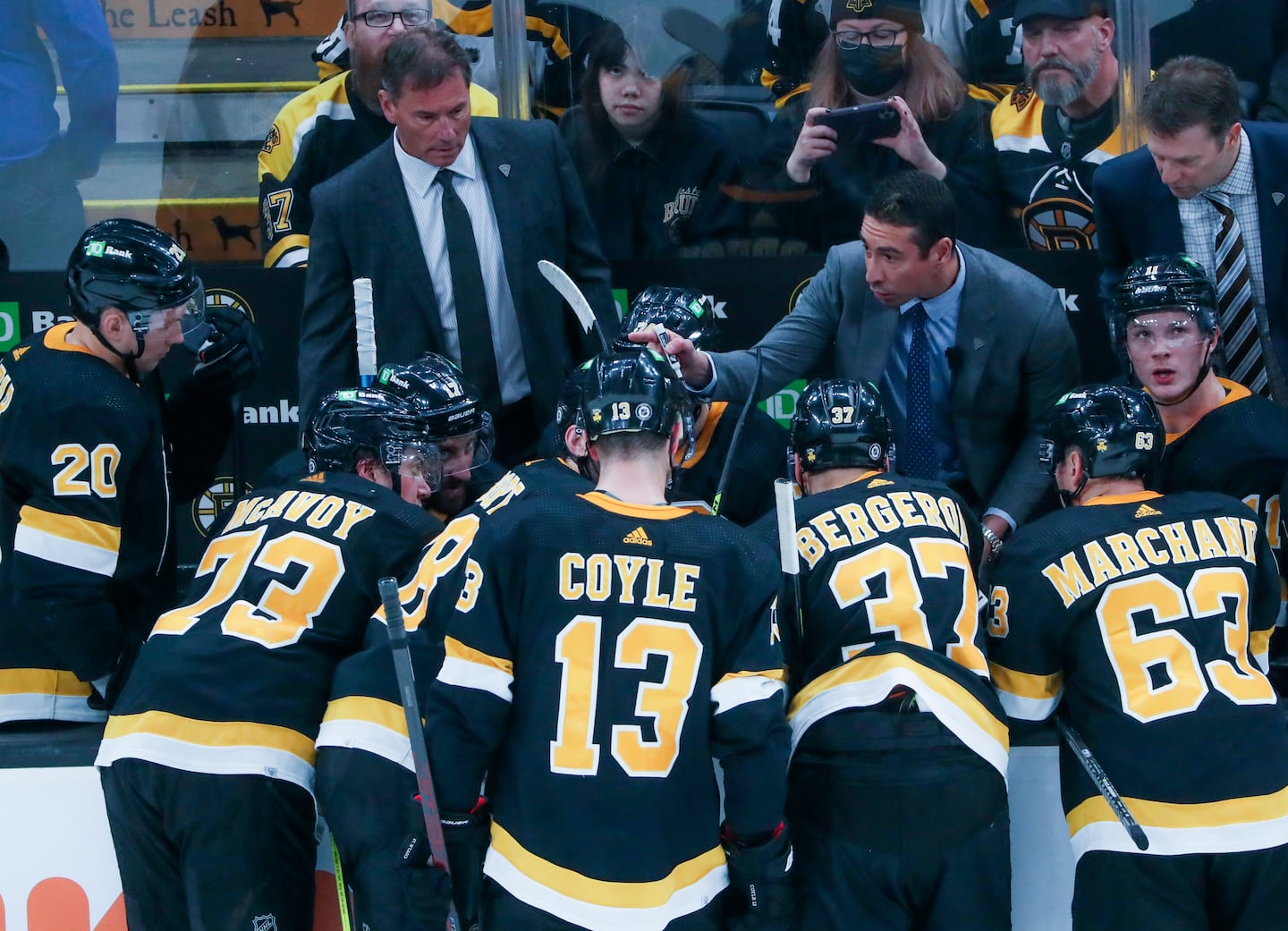 Bruins assistant coach Chris Kelly says he has picked up something from every coach he’s worked for, like former Boston coach Bruce Cassidy (left, rear) and last year’s interim coach, Joe Sacco (right, rear). Back in March 2022, Cassidy let Kelly handle the discussion during a time out against the Kings at the Garden. Matthew J Lee/Globe staff
“Yeah, I’ve been fortunate in terms of being here and seeing great coaches,” said Kelly, who has worked under Bruce Cassidy, Jim Montgomery, Joe Sacco, and now Sturm. “Every coach that’s come in here, I’ve learned from which different strategies, different systems, how they want to coach, how they handle different situations. So, as an assistant coach, I’ve been able to learn a lot from different people.
“I think as an assistant coach, it’s your job to work with the head coach. And like I said, everyone comes in with different ideas and if you have an open mind, you can learn a lot. And our job is to relay the coach’s message to the players and make sure we’re all on the same page.”
Could a head coaching spot be next?
“I get asked this a lot. I have the mind-set that I’ll be where my feet are at in terms of, I want to get really good at being an assistant coach,” he said. “I know other people are always trying to look for the next position, which is fine. I think my mind-set is, and it’s kind of the same mind-set I had as a player, I want to get really good at where I’m at and then those opportunities may present themselves — and then it’s your decision if you want to pursue them.
“I still have lots to learn as a coach, and I want to continue to get better in the role I’m in.”
Jim McBride can be reached at james.mcbride@globe.com. Follow him @globejimmcbride.