
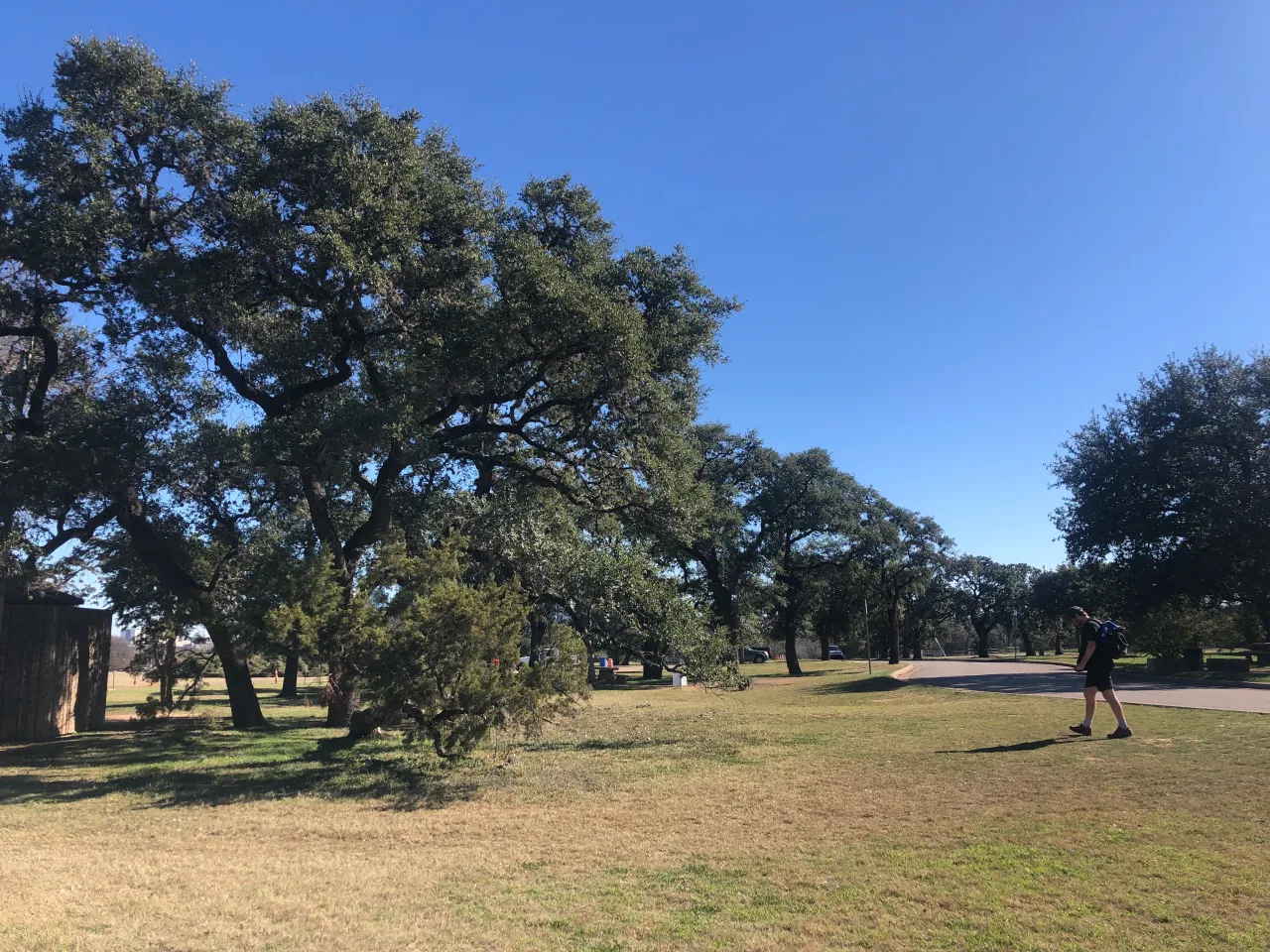
AUSTIN (KXAN) — Cedar fever is an allergic reaction caused by mountain cedar (juniper trees), often overlapping symptoms with an intense cold or the flu. Cedar season typically peaks during the winter months so it’s important to stay up to date on home remedies and medications to keep you and your loved ones safe.
Dealing with cedar fever: Austin’s winter allergy woes
Meteorologist Tommy House sat down with Dr. Loren Lee with Baylor Scott & White Health to learn more.
Read an edited version of the conversation below.
Meteorologist Tommy House: What is cedar fever? What is the specific allergy?
Dr. Loren Lee: Trees will start exploding with pollen soon and that pollen can wreak havoc on people. They get all of the respiratory symptoms: sneezing, coughing and itchy eyes. Cedar fever takes it to a new level because it can create worse symptoms for some, where they feel miserable.
They feel like they have a fever, and they may even be a bit warm to the touch. You can have sore throats and sometimes have cross-over symptoms to a cold or the flu.
House: What are some home remedies to use with cedar fever versus seeking help from a medical professional?
Lee: An ounce of prevention is worth a pound of cure. Some of the things you can do at home is avoid pollen as much as you can. The counts tend to be lower in the mornings, so if you’re going to go out an exercise, the morning is a good time to do that.
The counts peak in the afternoon hours; wear long sleeves, pats, hats and even a mask for some people. At home, people can do a nasal pot to rinse sinuses (always use distilled water). Putting a filter in your home may help as well, vacuuming and changing those bed linens help too as pollen can get everywhere.
House: What are some medications people should take?
Lee: If you get bad congestion you should start your nasal steroid (nasal sprays). You got to start them [steroids] early, about a week before you need them because it takes to affect your immune system to calm things down.