
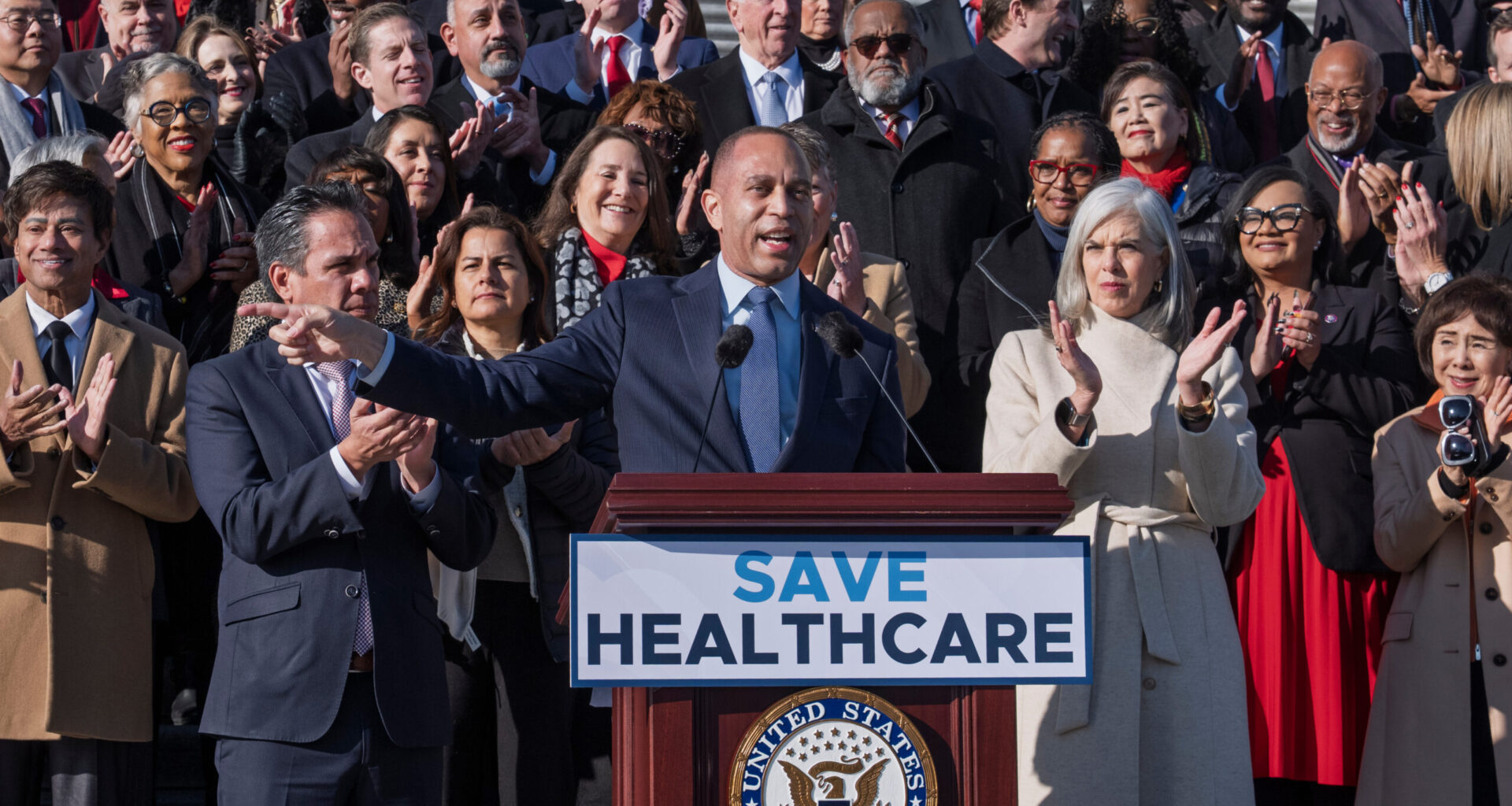
On the morning of Dec. 17, Pennsylvania Rep. Brian Fitzpatrick knew he didn’t have the votes.
The Rules Committee had already shut him out. Leadership had blocked his amendments. The House was hours away from voting on a Republican health care package that carefully avoided the one issue lawmakers had been signaling for months: the expiration of enhanced Affordable Care Act subsidies at the end of the year.
Still, Fitzpatrick, a Republican, signed the discharge petition.
By the end of the day, he and three other Republicans from swing districts had done just enough to force a vote — not before the subsidies would expire on Dec. 31, but after. January. Too late to prevent the immediate market disruption, but early enough to say they tried.
It wasn’t a rebellion. It was a procedural act of conscience inside a party that had already decided to let the clock run out.
 Civil Beat is focusing on transparency, accountability and ethics in government and other institutions. Help us by sending ideas and anecdotes to sunshine@civilbeat.org.
The Internal Fight
Fitzpatrick’s clash with Speaker Mike Johnson was never personal. It was institutional.
A former FBI agent who served under both Republican and Democratic administrations, Fitzpatrick argued for a temporary extension — capped, time-limited, and paired with anti-fraud measures — to prevent sudden premium spikes while lawmakers debated broader reforms. He pursued that case through the usual channels: amendments, committee review, internal negotiations.
Those channels closed.
During Rules Committee consideration of the “Lower Health Care Premiums for All Americans Act,” leadership blocked subsidy amendments outright. Johnson framed extensions as “Obamacare bailouts” that would reward insurers without offsets or structural change. Whip conversations followed. Republicans were urged not to sign the petition. Party discipline was enforced quietly but firmly.
Johnson allowed the discharge petition to advance — but only after adjournment, ensuring the vote would occur in January, after the subsidies had already expired and insurers had locked in 2026 pricing.
Republican leaders defend that decision on fiscal grounds. They argue that extending the subsidies would entrench a costly expansion of the ACA — projected by the Congressional Budget Office to cost hundreds of billions over a decade — while delaying the structural reforms they say are needed to control health care prices. From that perspective, allowing the subsidies to lapse is not neglect, but leverage: a way to force a long-deferred reckoning.
It was a clean procedural win for leadership. And a costly one for constituents.
The Swing-District Bloc
Fitzpatrick wasn’t alone — just early.
Reps. Mike Lawler of New York and Ryan Mackenzie and Rob Bresnahan of Pennsylvania, all representing districts carried by Biden or Harris, compared enrollment numbers and premium projections as the deadline approached. Their districts lacked employer backstops. Many constituents were self-employed, commission-based, or piecing together income without access to job-based plans.
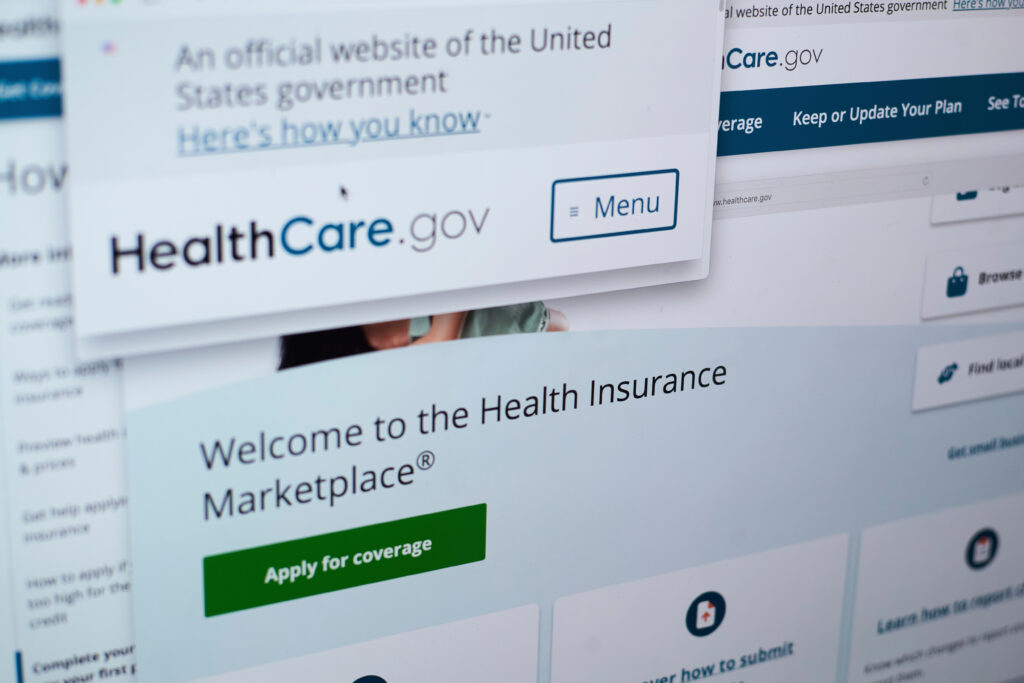 The failure to address expiring subsidies for the people who rely on the U.S. Affordable Care Act for health insurance will cause real hardship for families nationwide, including in Hawaiʻi. (AP Photo/Patrick Sison, File)
Lawler called ignoring the issue “political malpractice.” Mackenzie warned that families would feel the increase long before the next election cycle. Bresnahan framed his signature as a bridge — imperfect, but necessary.
In districts like Lawler’s, many of the people facing premium hikes aren’t choosing between plans — they’re choosing whether to keep coverage at all. These are places where housing costs are already high, wages uneven, and a few hundred dollars a month can tip a household budget from tight to impossible.
Other moderates stopped short. Some co-sponsored extension bills but declined to sign the petition, wary of primary challenges and scorecards from the right.
In the end, four Republican signatures were enough to force a vote — and few enough to underscore how isolated the effort was.
Fifteen Years, Still No Net
The deeper problem isn’t that Congress missed a deadline. It’s that after more than a decade of trying to dismantle the Affordable Care Act, there is still no agreement on what replaces it.
Republicans have voted dozens of times to repeal the ACA since 2010. In 2017, with unified control of government, repeal efforts collapsed under internal divisions and projected coverage losses. The individual mandate was later eliminated. The law itself remained.
What followed wasn’t replacement, but drift: association plans, regulatory tweaks, and temporary measures like the enhanced subsidies now expiring. Ending Obamacare remained a political goal. Governing beyond it was deferred.
Now the deferral has consequences.
The View From Hawaiʻi
Hawaiʻi is often treated as an exception in health policy debates. In this case, it isn’t.
The state’s Prepaid Health Care Act ensures that most employees working more than 20 hours a week receive employer-provided insurance. But it leaves gaps — for farmers, gig workers, small business owners, rural residents, and anyone whose income doesn’t fit neatly into payroll systems.
Roughly 23,000 Hawaiʻi residents rely on the federal ACA marketplace. More than 80% receive enhanced subsidies that cap premiums at 8.5% of income. Without them, state officials project premium increases of 20% to 30% for 2026 plans, with some families facing several hundred dollars more each month.
State estimates indicate roughly 3,000 residents could drop coverage, with about 1,000 becoming uninsured altogether.
Sen. Brian Schatz repeatedly flagged this outcome in advance, urging Congress to pass a clean extension — not as a permanent solution, but as a stopgap against immediate harm. The Senate declined to advance that measure, falling short of the votes needed to overcome procedural hurdles and partisan opposition.
These aren’t abstract policy shifts. They’re household decisions, shaped by timing rather than choice.
The Cost of Waiting
Congress will return in January. Lawmakers may vote again. Some will argue the system can still be repaired.
But health insurance markets don’t pause for recess. Open enrollment for 2026 plans ends Jan. 15. For many families, the impact begins immediately — when they re-enroll this January, see premiums jump and must decide whether coverage is still affordable months before those plans even take effect.
The signals were there. The projections were public. The calendar was known.
What failed wasn’t information. It was urgency.
And once again, the cost of waiting will be paid far from the House floor — by families who did nothing wrong except believe that when the clock ran down, someone would stop it.

Sign up for our FREE morning newsletter and face each day more informed.
Sign Up
Sorry. That’s an invalid e-mail.
Thanks! We’ll send you a confirmation e-mail shortly.