
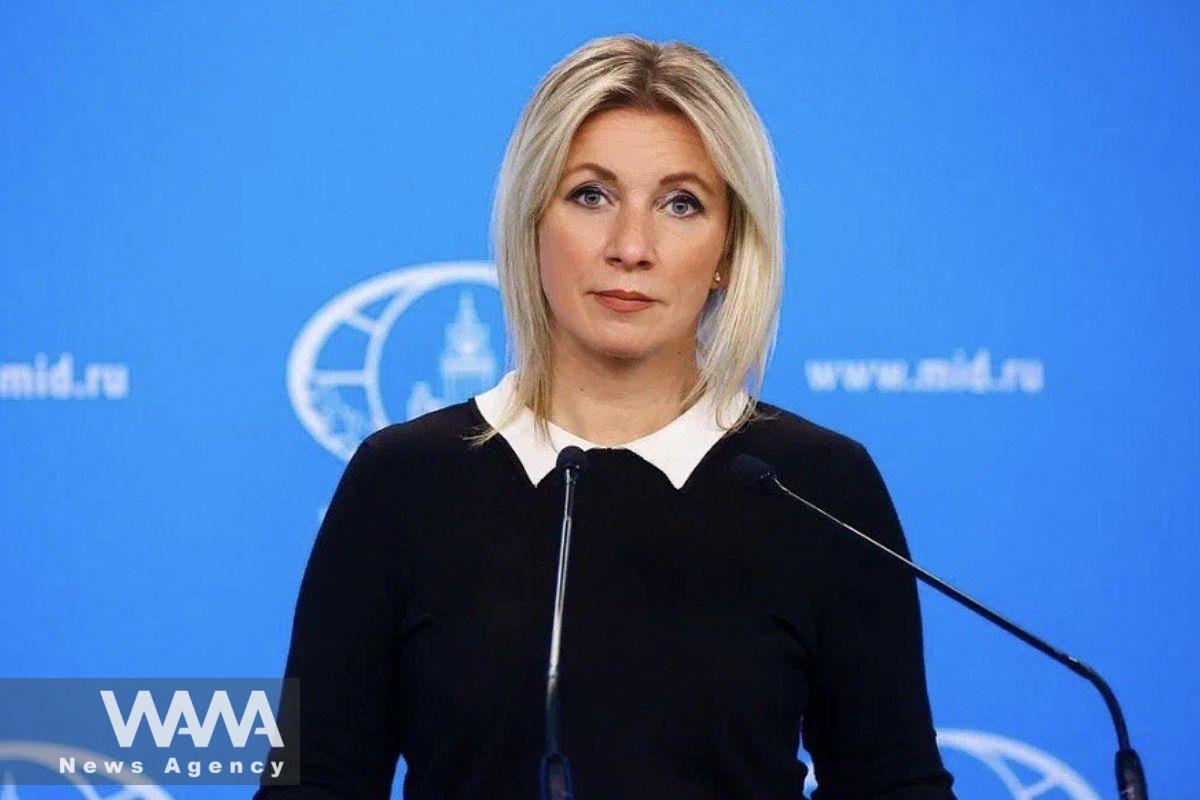
WANA (Dec 31) – Russia’s Ministry of Foreign Affairs has expressed serious concern over recent remarks made by Israeli Prime Minister Benjamin Netanyahu during his visit to the United States, in which he raised the possibility of new military strikes against the Islamic Republic of Iran, including against certain infrastructure facilities related to nuclear energy.
In a statement, Russian Foreign Ministry spokesperson Maria Zakharova said that the anti-Iranian ideological content of such remarks is not new and has been repeatedly rejected by the international community. She stressed that these positions run counter to the principles of international law and the United Nations Charter and could expose the Middle East to dangerous humanitarian and even radiological consequences.
Zakharova emphasized that attempts to promote the idea that Iran’s nuclear program can be resolved through the use of force or military action—including strikes on facilities that are under the supervision and safeguards of the International Atomic Energy Agency—are completely unacceptable.
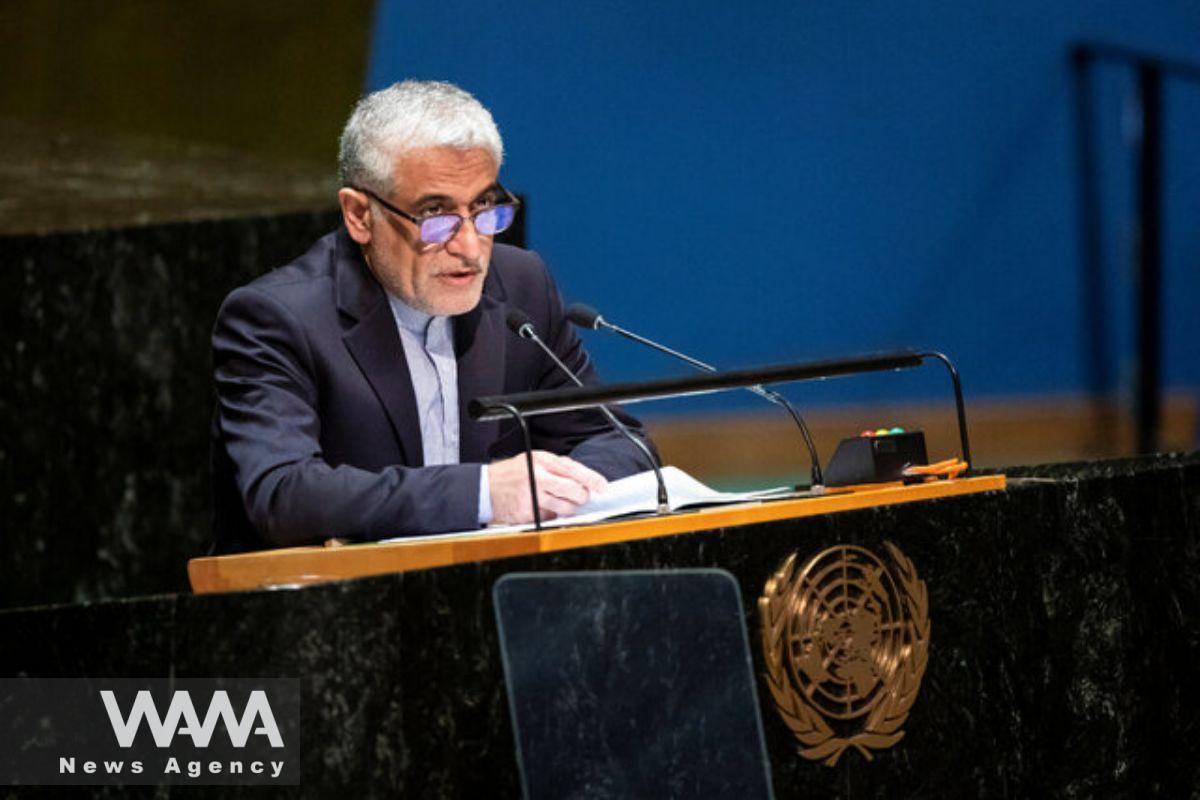 Iran Formally Protests Trump’s New Threats
WANA (Dec 30) – The Islamic Republic of Iran has formally protested recent statements and threats made by the President of the United States, conveying its objection through the United Nations. Iran’s Permanent Representative to the UN warned that if the country’s sovereignty, territorial integrity, population, or vital national interests are subjected to any […]
She added that such irresponsible approaches undermine the global nuclear non-proliferation regime, whose cornerstone is the Treaty on the Non-Proliferation of Nuclear Weapons (NPT).
Zakharova noted that these threats are coming from a regime that is not a party to the NPT, while Iran is a member of the treaty and regularly declares its compliance with its obligations.
Calling on “hardliners” to recognize the destructive consequences of their chosen path, the Russian spokesperson urged restraint and warned against further escalation surrounding Iran and its nuclear program.
She also stressed the need to avoid repeating the serious mistakes made in June 2025, which led to a significant weakening of the IAEA’s monitoring activities in Iran.
Recalling that Russia repeatedly condemned Israeli and U.S. attacks against Iran during the 12-day imposed war, Zakharova said experience has shown that confrontation leads only to catastrophic outcomes, creates real—rather than imaginary—threats to international peace and security, and moves the parties further away from viable solutions.
She concluded by reaffirming Moscow’s position that the only viable path forward is continued diplomacy and dialogue aimed at achieving sustainable and long-term solutions regarding Iran’s peaceful nuclear program, in line with international law and with due regard for Tehran’s legitimate interests.
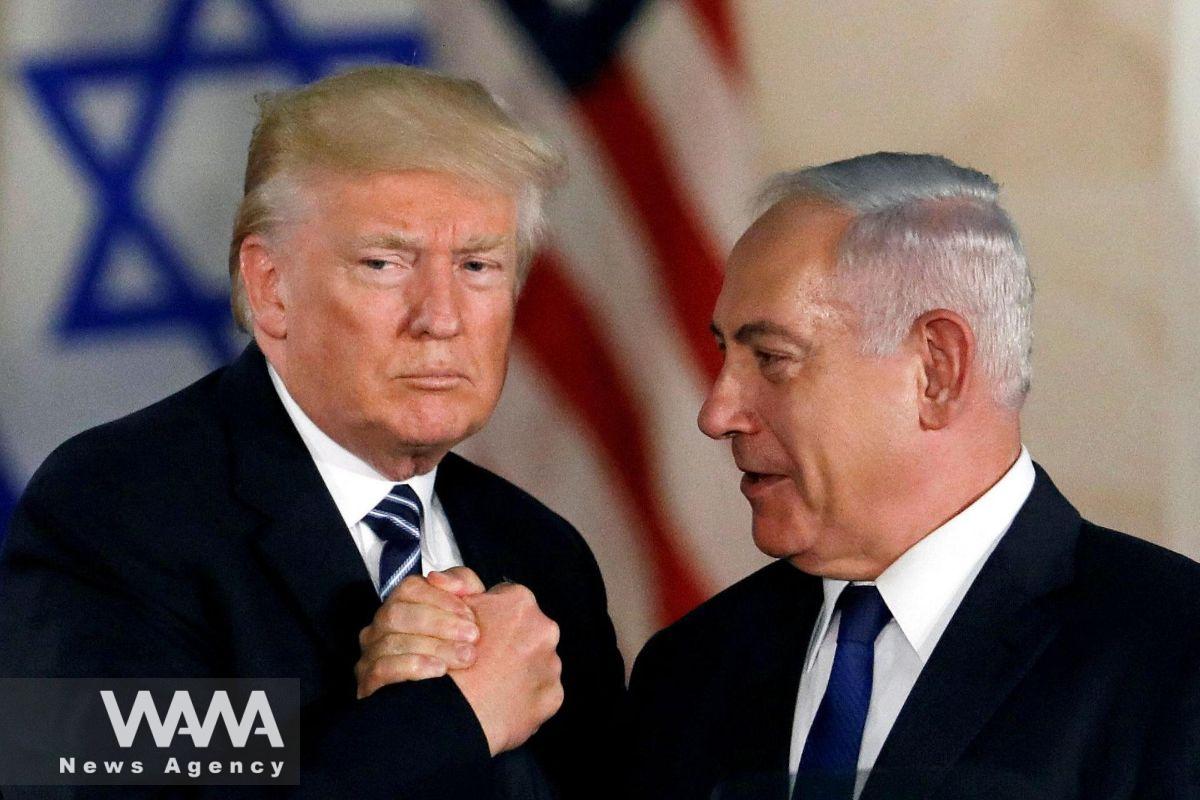
Meanwhile, U.S. President Donald Trump, following his meeting with Israeli Prime Minister Benjamin Netanyahu on Monday, reiterated his previous positions against Iran, while at the same time emphasizing negotiations with Tehran.
Kremlin spokesperson Dmitry Peskov stated that all sides must refrain from any actions that could lead to further escalation of tensions in the region.
Russian Foreign Minister Sergey Lavrov also warned about the continuation of threats by Israel and the United States against Iran, describing statements by Israeli officials about readiness to once again use force against the Islamic Republic as deeply concerning.
These developments come as Israel accuses Iran of seeking nuclear weapons and has used that claim to justify attacks on Iran’s peaceful nuclear facilities, despite the fact that Israel is the only holder of a nuclear arsenal in West Asia, while the United States—its main ally—is the only country in history to have used nuclear weapons.