
A new venture by Reflect Orbital is drawing global attention, as the U.S.-based company prepares to launch thousands of satellites designed to reflect sunlight to Earth starting in 2026. The ambitious project, aims to provide “sunlight on demand” to remote and darkened regions. But while the concept promises new applications in energy, defense, and infrastructure, it also faces significant scientific skepticism and concerns about its actual effectiveness.
A Bold Vision: Space Mirrors To Light The Dark
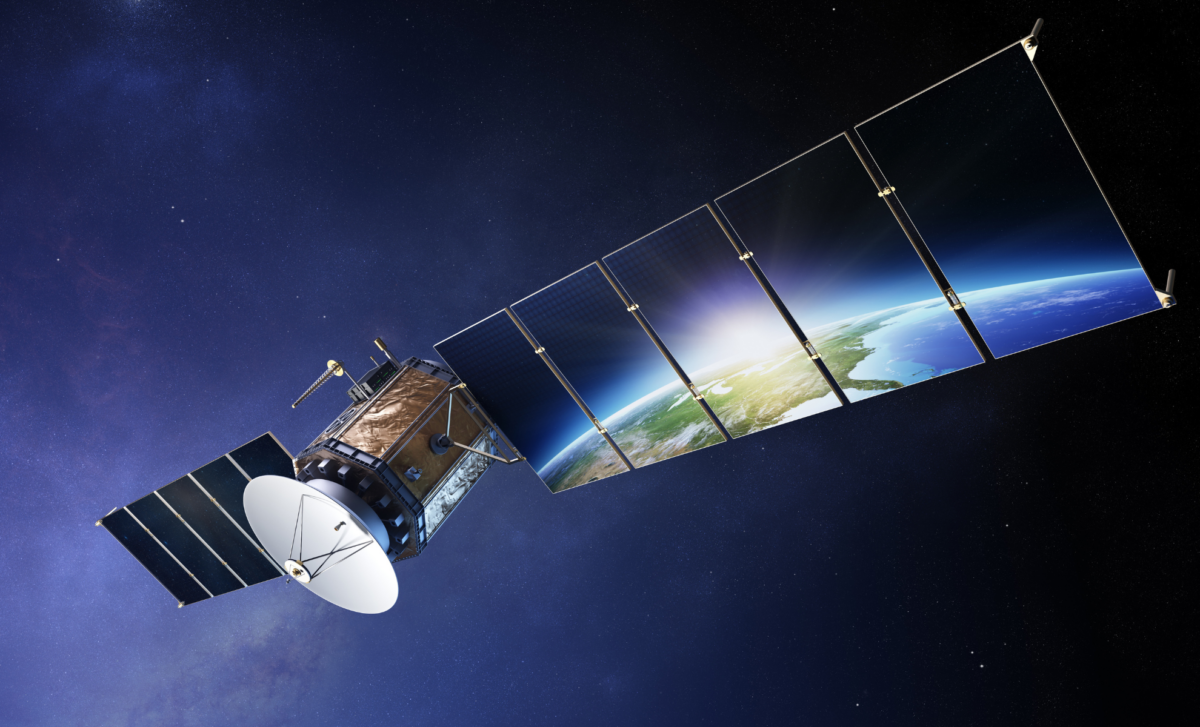
The concept is both visionary and controversial: using satellite-mounted mirrors to beam sunlight to Earth. According to New Scientist, Reflect Orbital plans to begin this “World Tour” by targeting 10 locations with sunlight beamed from a single satellite, set to launch in early 2026. The long-term plan includes deploying thousands of satellites, each carrying tens-of-meters-wide reflective surfaces, to provide lighting for critical scenarios, ranging from civil operations in disaster zones to power augmentation in remote areas.
The company touts its satellites as tools for “remote operations, defense, civil infrastructure, and energy generation.” Proponents say this technology could support solar energy continuity during nighttime, or even extend the operating hours of outdoor facilities without relying on artificial lighting.
But experts are urging caution. Astronomers and solar researchers point out that scaling this concept for meaningful energy production may be unrealistic with current technology. They worry the public is being drawn into a speculative vision that masks technical limitations.
Scientific Pushback: Why Many Say It Won’t Work
The backlash from the scientific community is centered around power density and feasibility. While Reflect Orbital claims its system can provide meaningful lighting, researchers interviewed by New Scientist remain unconvinced.
“For a single reflector, the amount of light that’s delivered at ground level is vastly insufficient to power solar farms,” says one expert cited in the report. That statement underlines the core criticism: while the reflected light might be visible to the naked eye, its intensity would fall far short of generating usable electricity or competing with natural sunlight.
In addition to efficiency issues, astronomers express concerns about light pollution and interference with space-based observations. The launch of even a fraction of these satellites could add to the already crowded low Earth orbit, further complicating the work of telescopes and astrophysics research.
Others warn that if the satellites do succeed in reflecting light to populated areas, they may disrupt wildlife behavior, human circadian rhythms, and even military surveillance operations.
Reflect Orbital’s Counterpoint: Lighting Where It’s Needed
Reflect Orbital defends its concept as complementary, not as a replacement for solar panels or existing infrastructure. According to the company, the technology could be most useful in temporary scenarios, for example, illuminating disaster zones, military deployments, or critical repair work during nighttime conditions.
While energy experts challenge the scale of application, they also admit that short-term, low-light needs could potentially be met by space-based reflectors, especially in regions with limited infrastructure or seasonal darkness.
The initiative echoes past projects, such as Russia’s Znamya experiment in the 1990s, which aimed to use orbiting mirrors to reflect sunlight onto darkened regions of Earth. That mission ended in failure, but the idea clearly persists, and Reflect Orbital now hopes that advances in satellite engineering and launch costs will make it viable.