
By Natasha Albert
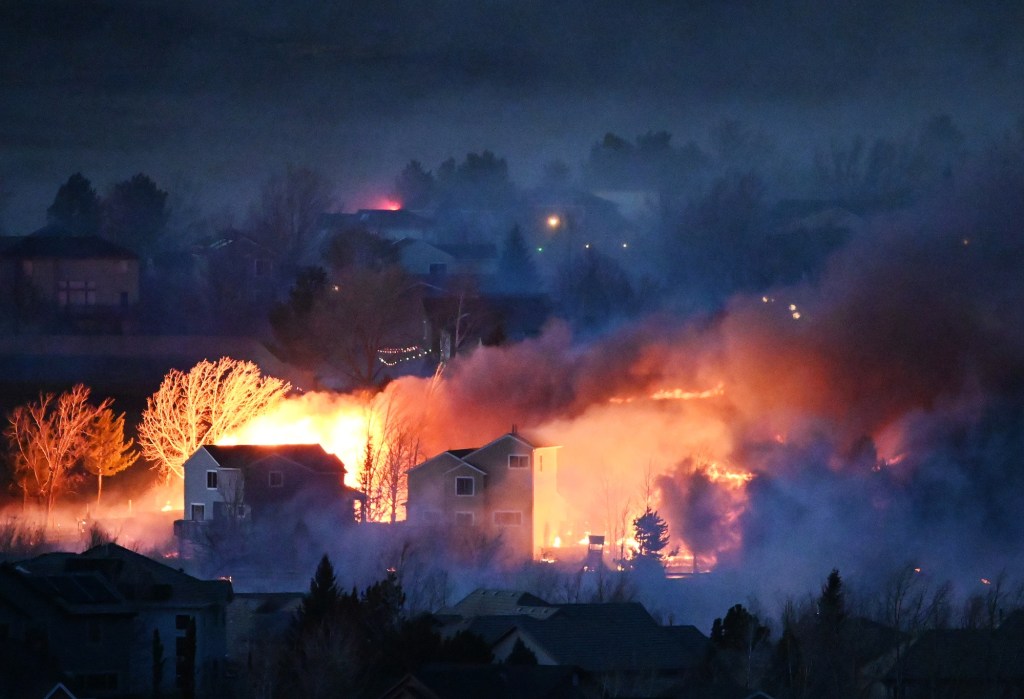
As the anniversary of the Marshall Fire passes, the word “recovery” has come up a lot. It appeared in headlines, reports and public statements. It suggests progress. It suggests closure.
But for many people who lived through the fire, recovery didn’t end. It changed form.
I worked in long-term recovery after the Marshall Fire, and one of the most persistent gaps I saw was between how recovery is officially defined and how it’s actually lived. On paper, recovery is often treated as a phase — something that begins after the emergency and concludes once certain milestones are met. Homes are rebuilt. Funds are distributed. Programs wind down. At some point, recovery is declared complete.
In real life, it rarely works that way.
The fire itself was fast. The aftermath was not. What followed was a long period of waiting, decision-making, paperwork and uncertainty — much of it invisible to anyone not living inside it. For renters, in particular, recovery often meant instability rather than resolution: leases ending, housing costs rising and limited options in an already tight market.
From the outside, recovery can look linear. From the inside, it’s anything but.
One of the challenges in disaster recovery is that systems operate on timelines that are administratively necessary but humanly incomplete. Funding cycles end. Case management closes. Agencies shift focus. These timelines aren’t arbitrary — they’re required for coordination and accountability. But they don’t reflect how people actually move through loss and disruption.
When recovery is declared “over,” it usually means institutions have reached the limits of their mandate — not that lives have returned to stability. Housing decisions still reverberate. Financial strain lingers. Relationships to place are permanently altered. Stress doesn’t disappear simply because a phase has closed on paper.
This gap matters, because much of the real cost of disaster shows up later. People often hold it together during the crisis itself. The harder impacts — burnout, health issues, financial collapse — frequently appear years down the line, after attention has faded and support has receded. When that happens, it’s easy to mistake delayed suffering for personal failure rather than a predictable response to prolonged uncertainty.
The Marshall Fire was a wake-up call in many ways. It challenged assumptions about where wildfire risk exists and who is affected. It also revealed how ill-suited many of our recovery models are for a world where disasters are more frequent and recovery periods overlap.
We’re good at responding to emergencies. We’re less prepared for what comes after — when the work is slower, quieter and harder to measure. We track structures rebuilt and dollars spent, but not the cumulative strain placed on people navigating years of instability.
Recovery doesn’t need to be endless. But it does need to be honest.
As we mark this anniversary, it’s worth asking not just how much has been rebuilt, but how many people are still living in the long aftermath. Declaring recovery complete may be necessary for systems to move forward. It shouldn’t be the end of the conversation for communities still finding their footing.
Natasha Albert is an urban planner who worked in long-term recovery following the Marshall Fire. She lives in Denver.
To send a letter to the editor about this article, submit online or check out our guidelines for how to submit by email or mail.