
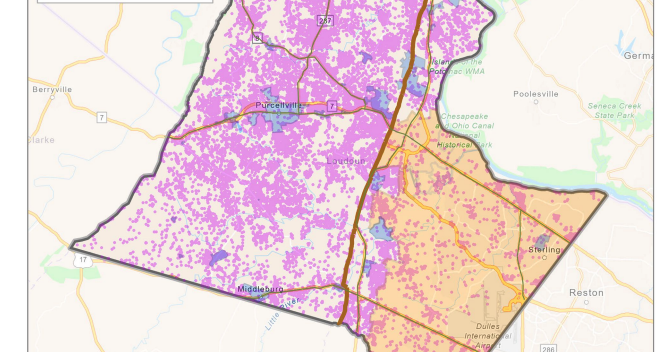
Loudoun County ended 2025 under severe drought conditions, an all-too-common status that is sparking elevated concerns about groundwater supplies.
The county experienced severe and extreme drought conditions through much of 2023 and 2024. Only after weeks of substantial rain in May and June this year did data compiled by the U.S. Drought Monitor project remove Loudoun from its drought alerts.
However, by September drought conditions returned after August ranked as the seventh driest month over the past 131 years, with rainfall totaling 2.76 inches below normal. That resulted in several of Loudoun’s towns, which rely chiefly on groundwater wells for their water supplies, reactivating water use restrictions that continued into the fall.
While farmers, grape growers and utility managers have grown accustomed to the challenges of frequent droughts, a new comprehensive study of the county’s well data highlighted concerns that the long-term impacts could be more serious than seasonal cycles.
A study group assembled by the Loudoun County Preservation and Conservation Coalition in October published a 57-page assessment of groundwater data that generated new discussions about rural resource protections.
“Groundwater conditions in Loudoun County have significantly worsened over the past several decades. Groundwater as a water supply is no longer sustainable as the water table has slowly declined and several droughts have caused some wells, springs, and ponds to dry up,” according to the report summary.
In addition to droughts, the study points to a “silent shift,” whereby changes in land use and residential development have reduced the amount of precipitation recharging the groundwater supply by 5% to 10%.
The next step for the study committee is to develop a policy framework to improve hydrogeologic conditions for a sustainable groundwater supply and water resource conservation, along with management approaches that may be essential to sustain the county’s farms, rural businesses, and residents.
The panel’s work may also spur action at the state level.
Delegate-elect John McAuliff said he’s introducing legislation that would have the Department of Environmental Quality study the issue in western Loudoun and northern Fauquier counties.
“We’d like to see, sort of what the state of things are and what we need to do, sooner rather than later,” he said.
McAuliff said he’s working with coalition members to collect stories on how the issue is already affecting residents.
“Each of these wells is often $25,000 to $30,000 to drill for folks, and so this is already had a sort of quiet impact, and the longer it goes on without action, it will have a much louder impact.”
The study should be done by the end of 2026, so it can inform next year’s legislation, he said.