
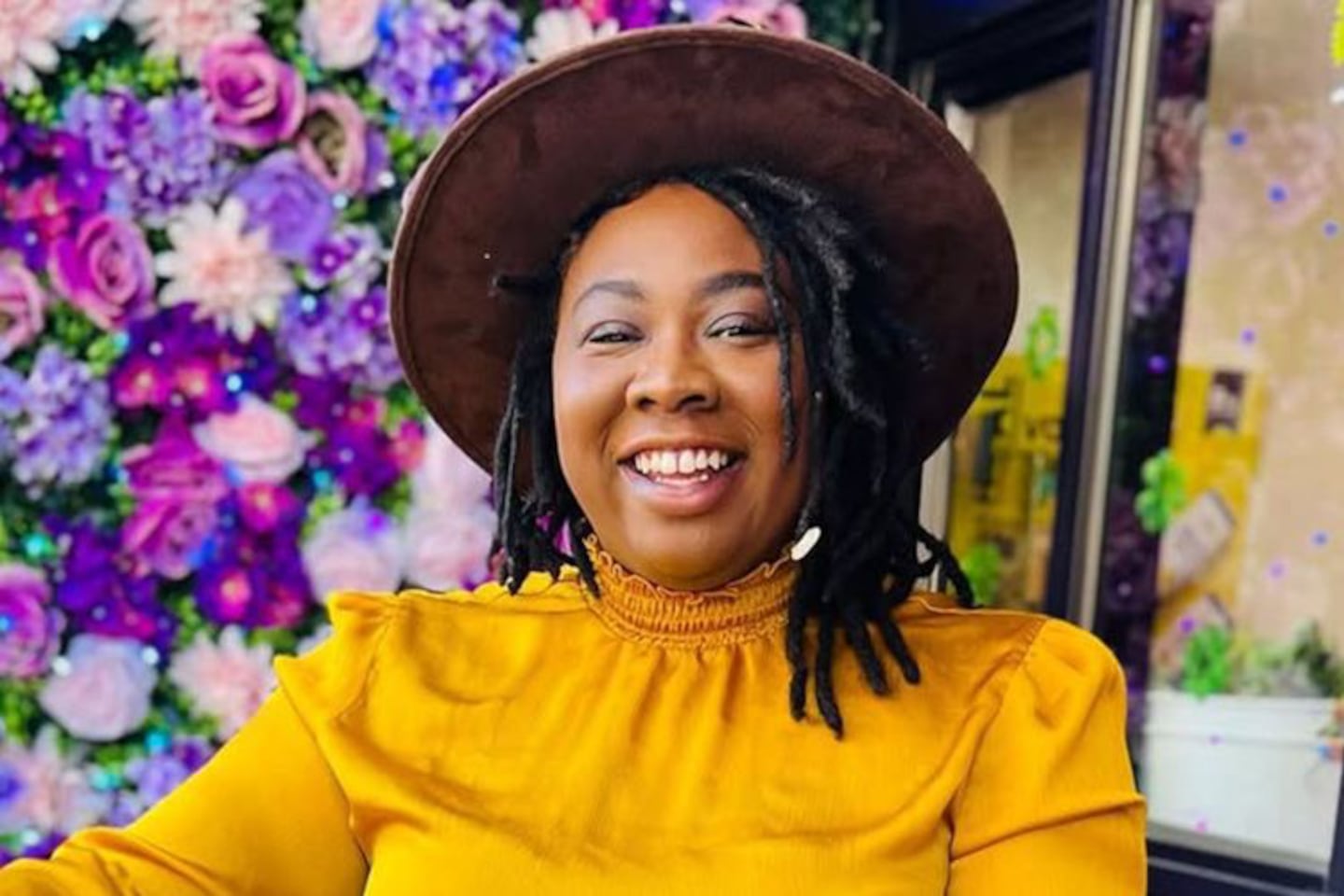
Smith also partnered with Hive Impact Fund, a nonprofit that offers support, resources, and education to parents during their child’s early years.
At the end of her reel, Smith said, “I would like to tell all Black mothers all over the world that I see you, I salute you, I honor you, and your midwife will always support you.”
On Jan. 1, Smith, of South Carolina, died from complications after the birth of her first child. She was 31.
As of this writing, details about Smith’s cause of death are unconfirmed. But this is already clear: Regardless of education level or socioeconomic status, Black women suffer disproportionate rates of pregnancy complications, infant mortality, and death in childbirth.
Those were the findings of an expansive study conducted by the Cambridge-based National Bureau of Economic Research that was released in 2022 and revised in October 2025. Its most stark data is that even the wealthiest Black mothers and their babies are more than twice as likely to die as their white counterparts in the year after childbirth. These same Black women have about the same infant mortality rates as the poorest white women.
In a 2018 Vogue cover story, tennis icon Serena Williams revealed that she suffered a near-fatal pulmonary embolism a day after she gave birth to her daughter in 2017. With a history of blood clots and an athlete’s deep understanding of her body, Williams alerted medical staff when she suddenly developed breathing problems. But a nurse believed that pain medication left Williams confused and dismissed her concerns. After Williams continued to demand a blood thinner and a CT scan, its results revealed several small blood clots in her lungs.
If someone as famous and wealthy as Williams, with access to the best health care, can have her medical worries ignored after childbirth, what does that mean for the maternal health of Black women?
How racial bias in medical care affects Black people is well-documented. So, too, are other factors summarized in a 2023 New York Times story on mother and infant mortality research. The “effects of racism on childbirth start long before people arrive at the hospital, researchers across disciplines say, and continue after they leave,” according to the report. “The stress of experiencing racism; air pollution in Black communities; and inequitable access to paid family leave, for example, have all been found to affect the health of mothers and babies.”
Smith understood the challenges that faced Black mothers. Her career as a nurse midwife wasn’t just a job. It was a calling to help those in her community to have healthy pregnancies and healthy babies.
In a statement posted on Facebook after Smith’s death, the American College of Nurse-Midwives said Smith’s “life and work reflected a deep commitment to respectful, evidence-based, and equitable care.
“That a Black midwife and maternal health expert died after giving birth in the United States is both heartbreaking and unacceptable,” the post continued. “Her death underscores the persistent and well-documented reality that Black women — regardless of education, income, or professional expertise — face disproportionate risks during pregnancy and childbirth due to systemic racism and failures in care.”
To her family, Smith’s loss is immeasurable. But in a different, but still potent, way the same can be said of the many women robbed of her expertise and compassion. In a nation with the highest maternal mortality rate among high-income countries, Smith’s death is a uniquely — but not uncommon — American tragedy.
This is an excerpt from Outtakes, a Globe Opinion newsletter from columnist Renée Graham. Sign up to get Outtakes in your inbox each Thursday.
Renée Graham is a Globe columnist. She can be reached at renee.graham@globe.com.