

Smart glasses have been the tech dream we’ve been chasing for years now, and the technology is finally getting there. Better displays, improved hardware, and an ever-growing list of platforms for smart glasses were on full showcase at CES 2026, but I can’t help but look at them with a mind to what’s coming next.
The entire idea of smart glasses feels like it’s accelerated incredibly quickly over the past couple of years in particular. The market went from various proof-of-concepts and half-baked options to smart glasses that have a remarkable amount of polish, just in the past 2 years or so.
CES 2026, being the place to show off new technology, has of course been full of smart glasses for years, and they continue to be more common at the show. This year as our team traversed Las Vegas, I felt like I was seeing a new pair of smart glasses from brands I’d never heard of at quite literally every turn. There are two in particular that captured my attention.
Firstly, XREAL. These aren’t really what “smart glasses” make one think of, though, with XREAL splitting the difference between a VR headset and a pair of glasses with a display. The company launched its new XREAL 1S glasses this week for $450, and they’re really good! I took them for a spin with Mario Kart World and I was pretty impressed at how natural the experience feels. XREAL also set me up with a quick demo of its new hand-tracking features on the XREAL One Pro, which worked pretty well in making it possible to control an Android phone’s display using simple pinch gestures, though it’s certainly not as polished as what you find through headsets from Meta, Apple, or Samsung. XREAL’s team-up with Asus ROG also caught my eye, with a 240Hz display that felt super smooth. Frankly, I wasn’t really complaining about the refresh rate in XREAL 1S either, but the higher refresh rate does go to show that the display tech here is improving quickly.
Advertisement – scroll for more content
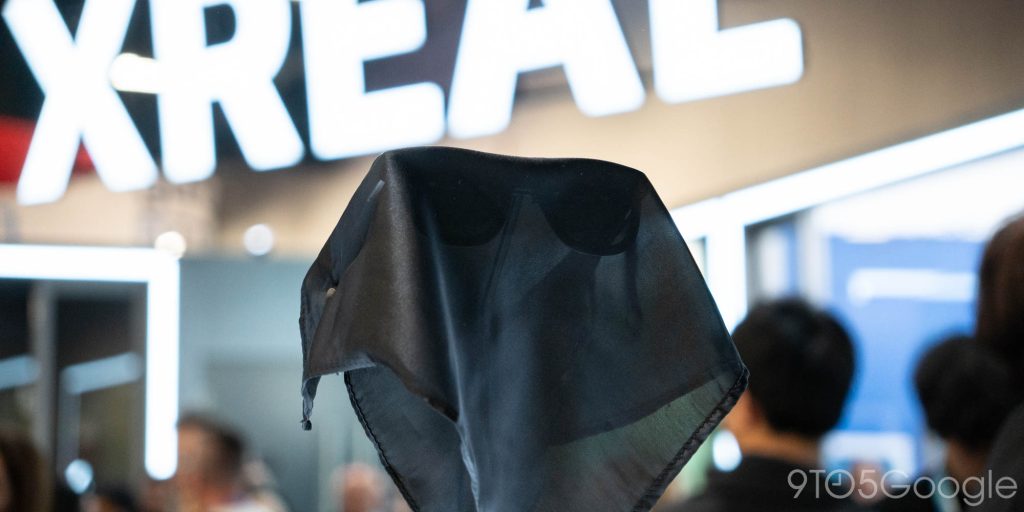
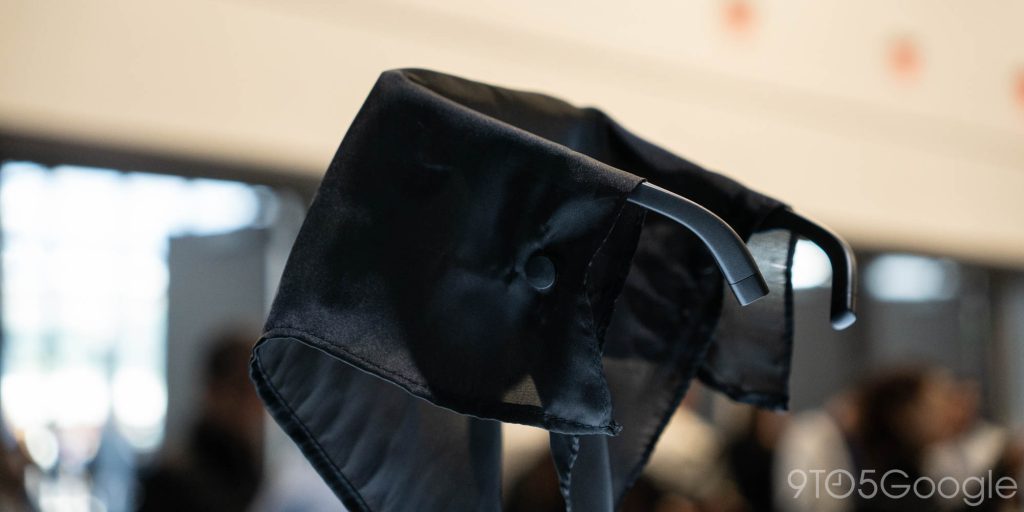
XREAL tantalizingly had Project Aura, its first Android XR product, on display at CES, but I sadly couldn’t use it, or even see the hardware from under its covers.
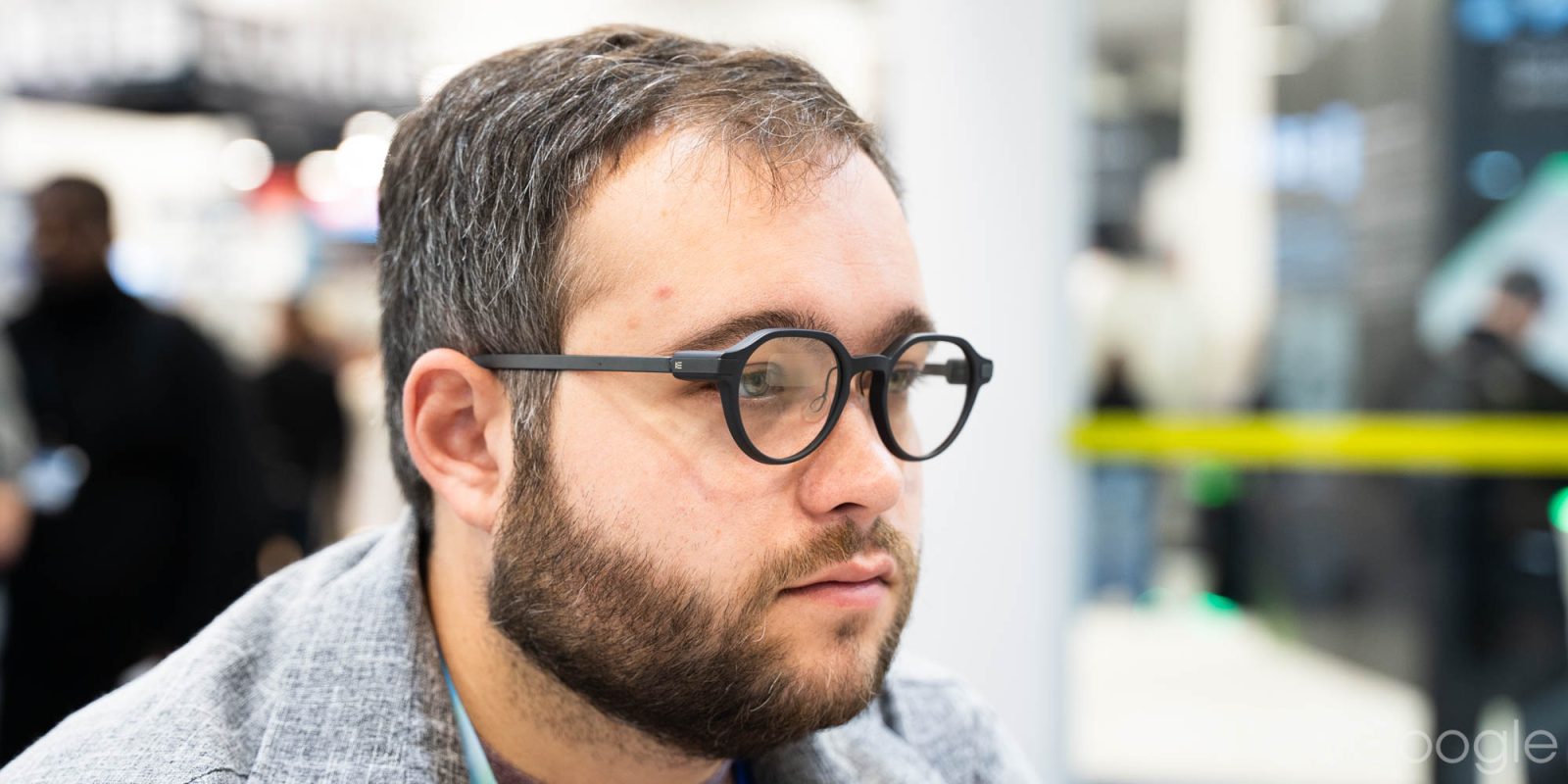
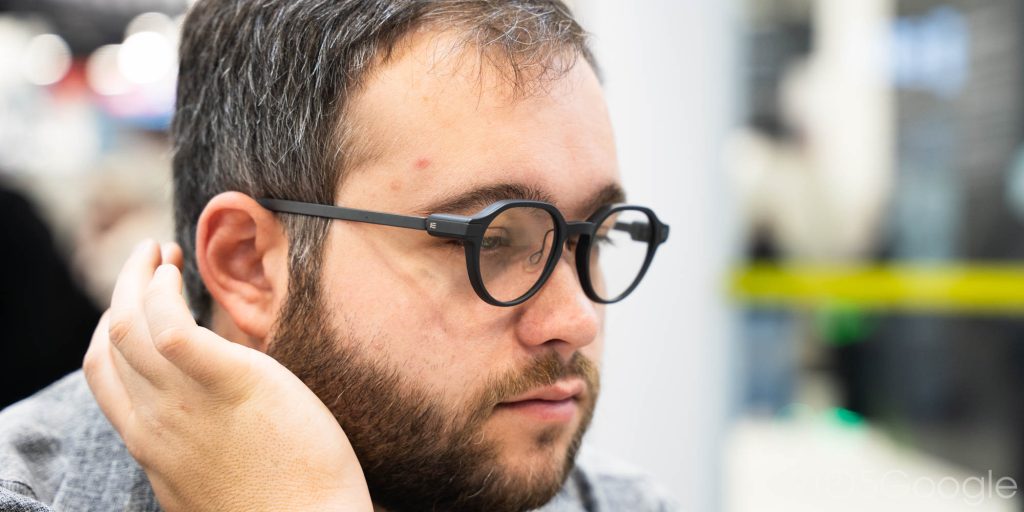
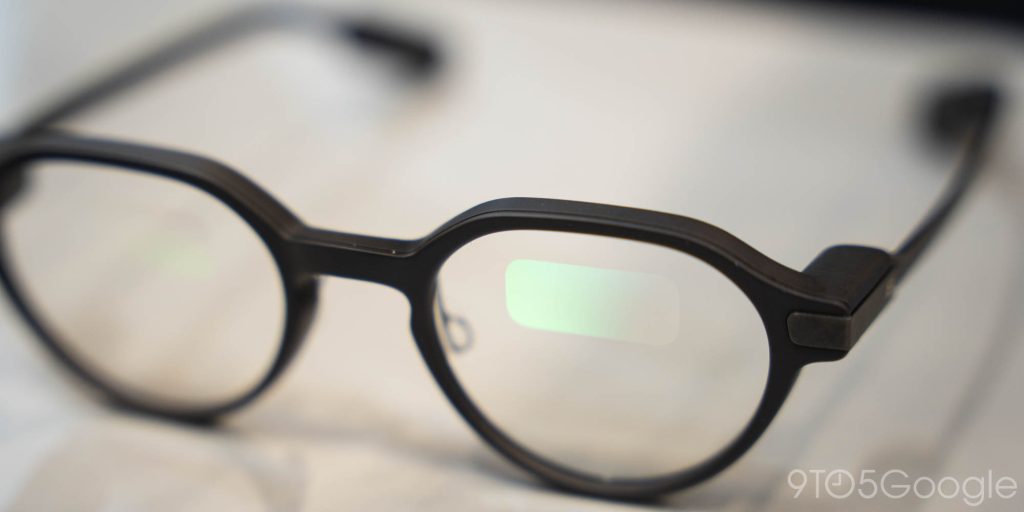
The other one that stood out was Even Realities G2, which launched last year. Even took us through a quick demo of its new smart glasses which are more of what you’d expect from the product. The thin glasses have a display that appears in front of you and can show notifications, tasks, your calendar, news, and more information.
The display is monochrome, only showing a green outline, but it works really well. The text is readable and Even’s new 3-dimensional layers add some literal depth to the experience. Interactions feel natural with the touchpads on the back, but the software is not really doing it for me. The lack of customization and any integration with phone apps just makes it feel cumbersome, especially for things like navigation, as I want to open Google Maps for that and not the companion app for my smart glasses. Notifications are also super messy.
There’s still a lot good to say about Even Realities G2, though, so stay tuned for more from our Andrew Romero very soon.
All of that is to say, though, that while smart glasses are clearly advancing at a rapid pace, nothing is “it” yet. I just have such a hard time getting excited or invested in the smart glasses we have today when, literally right around the corner, are the smart glasses of tomorrow.
The dream, or at this point, the promise of Android XR is just too exciting, both in the software and hardware departments. As our Abner Li has experienced and related, Google’s smart glasses prototypes are beyond what most people think of as technologically possible, and the software encompasses so many features. Between deeper integration with your apps and your phone, Gemini, and a wide-open future for third-party apps, Android XR is just so far beyond what we have today. That’s probably why XREAL announced plans to build its future product roadmap around Google’s platform, too.
We’ll still have to wait and see how Android XR sticks the landing, but we’re officially in the home stretch.
This Week’s Top Stories
CES 2026 recap
While CES 2026 didn’t feel quite as loud for Android this year, there was a lot to see at the show. Check out our full coverage at the CES 2026 guide, and below we’ve picked out a few key highlights.
Gmail’s big AI future is here
Gmail is perhaps the single-most important product Google has outside of Search, and this week the company has announced that Gmail is getting a big AI makeover. This starts with AI Overviews, rolling out to Gmail users starting today as a way to get AI-generated answers to questions based on what’s in your inbox. These will include cited sources in your emails.
Later on, “AI Inbox” will pull action items from your inbox so you can get the information you need without actually looking at the message.
More Top Stories
From the rest of 9to5
9to5Mac: Eve debuts a minimalist Matter smart thermostat at CES 2026
9to5Toys: LEGO officially reveals new Smart Bricks and minifigs, Star Wars sets, more
Electrek: Toyota has an electric pickup? Meet the Hilux BEV [Images]
Follow Ben: Twitter/X, Threads, Bluesky, and Instagram


FTC: We use income earning auto affiliate links. More.