

We’ve all bought something thinking we’d use it often, only for it to gather dust in a closet. From specialized tools to seasonal gear, certain purchases just aren’t worth the cost when they’re rarely used. A recent online thread asked users to share the things they refuse to buy because they only need them once or twice a year. The responses reveal a mix of practical hacks and creative money-saving tips. People were prioritizing value and utility over ownership, and finding ways to access what they need without cluttering their space or their budget.

Photo credit: Shutterstock
The story
The original post asked a simple yet relatable question: “What’s one thing you refuse to buy because you only need it 1-2 times a year?” The OP mentioned niche items such as camping gear, photography equipment, tools, and supplies for a new hobby. They asked how others handle these occasional needs. Is it by borrowing, renting, buying, or sharing? Beyond frugality, the conversation points to a cultural shift toward minimizing clutter while still allowing people to access the items they need. The thread is essentially about making smarter consumption choices.
Reactions
One of the most common responses involved home cleaning equipment. A user wrote, “Carpet cleaners. They’re much cheaper to rent once a year than buy outright. Let Home Depot worry about storing it.” This sparked a small debate, with another commenter admitting they own a $90 carpet shampooer and swear by it, “I like to shampoo my carpets more than once a year, and when the dog had explosive diarrhea, it was super convenient to just pull it out.” For many, the choice depends on frequency and tolerance for inconvenience.
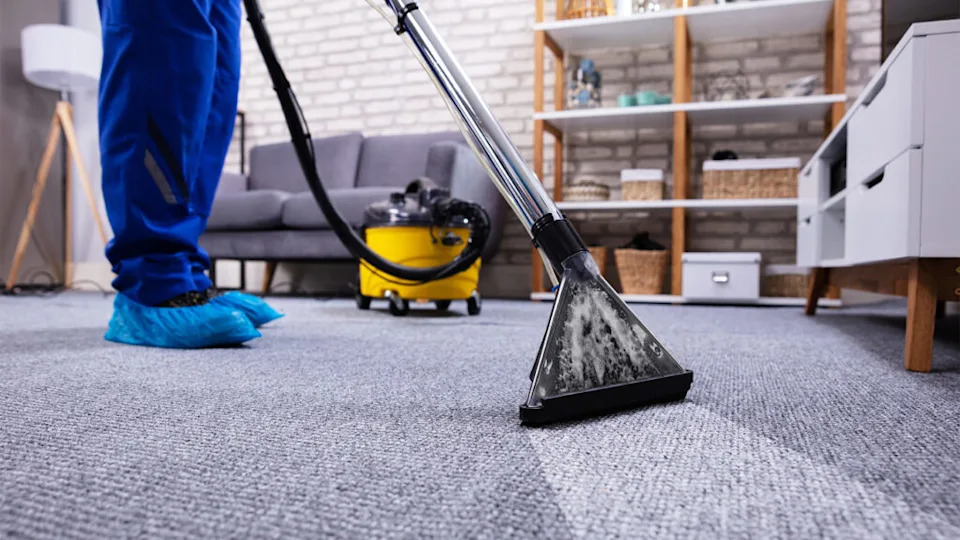
image credit: shutterstock
Vehicles also came under scrutiny. One Redditor noted, “A truck. Most truck owners don’t tow a single thing in a year. Like 70% or so.” They explained that U-Hauls and rental trucks cover occasional needs, allowing their mid-sized SUV to handle day-to-day transport. Another chimed in with a cautionary note about truck size, “Buy the smallest truck you need. Pavement princess trucks are like owning a riding lawnmower for a suburban lawn.”
Household tools and kitchen items were also a popular category. Redditors mentioned items like printers and folding camping chairs as things they avoid buying. One clever hack was, “I refuse to make space in my kitchen for a rolling pin. On the rare occasion I need one, a bottle of wine wrapped in parchment or a glass water bottle works just fine.”
Seasonal gear sparked some debate, too. For example, items like backpacking gear or snow boots & winter clothing divided opinions. One user avoided them entirely, citing low use and closet space. Sometimes, renting makes sense if frequency of use and storage are priorities.
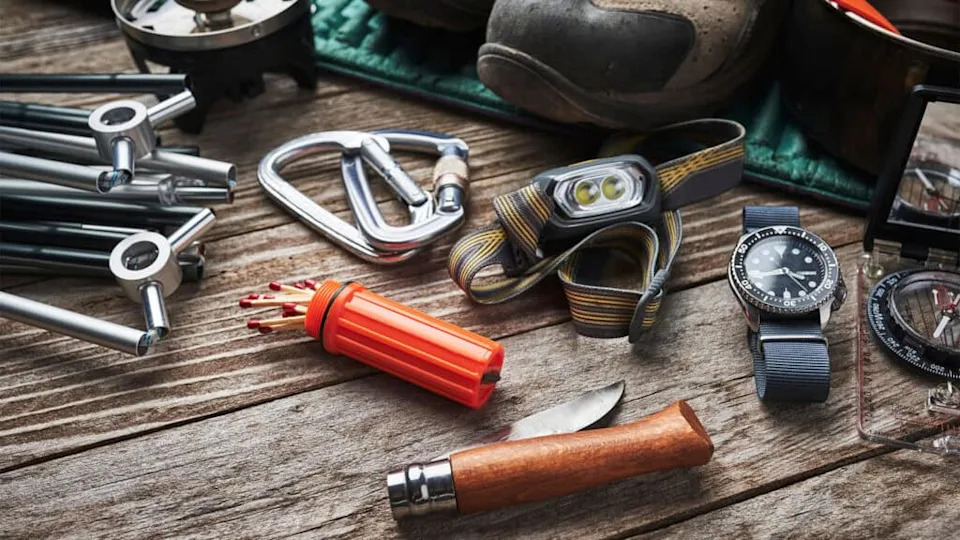
image credit: shutterstock
Rent, borrow, or buy?
The Reddit comments in general agreed that if you only use something occasionally, it usually doesn’t make sense to buy it.
Tools, seasonal equipment, or hobby gear often make more sense to rent or borrow. Websites, local libraries, and peer-to-peer rental apps give people what they need without the big-ticket expense of items that will barely be used. For occasional needs, renting can save money annually while reducing storage headaches.
Vehicles were another major question for many commenters. There is no single car that meets all needs. What can tow a big boat is not necessarily great for a daily commute or long highway drives. The key here is to find a car that meets your daily needs. If you need something specific, you can still rent it for a day, which is much cheaper and more convenient than buying one.
The takeaway here is that for items used only occasionally, such as carpet cleaners, trucks, tools, or seasonal gear, renting or borrowing often makes more sense than buying, but it depends on the purchase context. Making thoughtful decisions about frequency and long-term value can save both money and space. Places like online communities and rental apps make it easy to access what you need without spending a ton of money on something you only use every once in a while. Ultimately, frugality means spending intentionally and owning only what truly adds value.