
If the aftermath of the holidays has gifted you a case of the flu or a pesky cold, well, you’re in good company. In fact, national health experts reported on January 5 that the number of Americans seeking medical help for acute respiratory illnesses—which can include the common cold, COVID, or RSV, among others—has hit “a very high level for the first time in the current 2025-2026 season.”
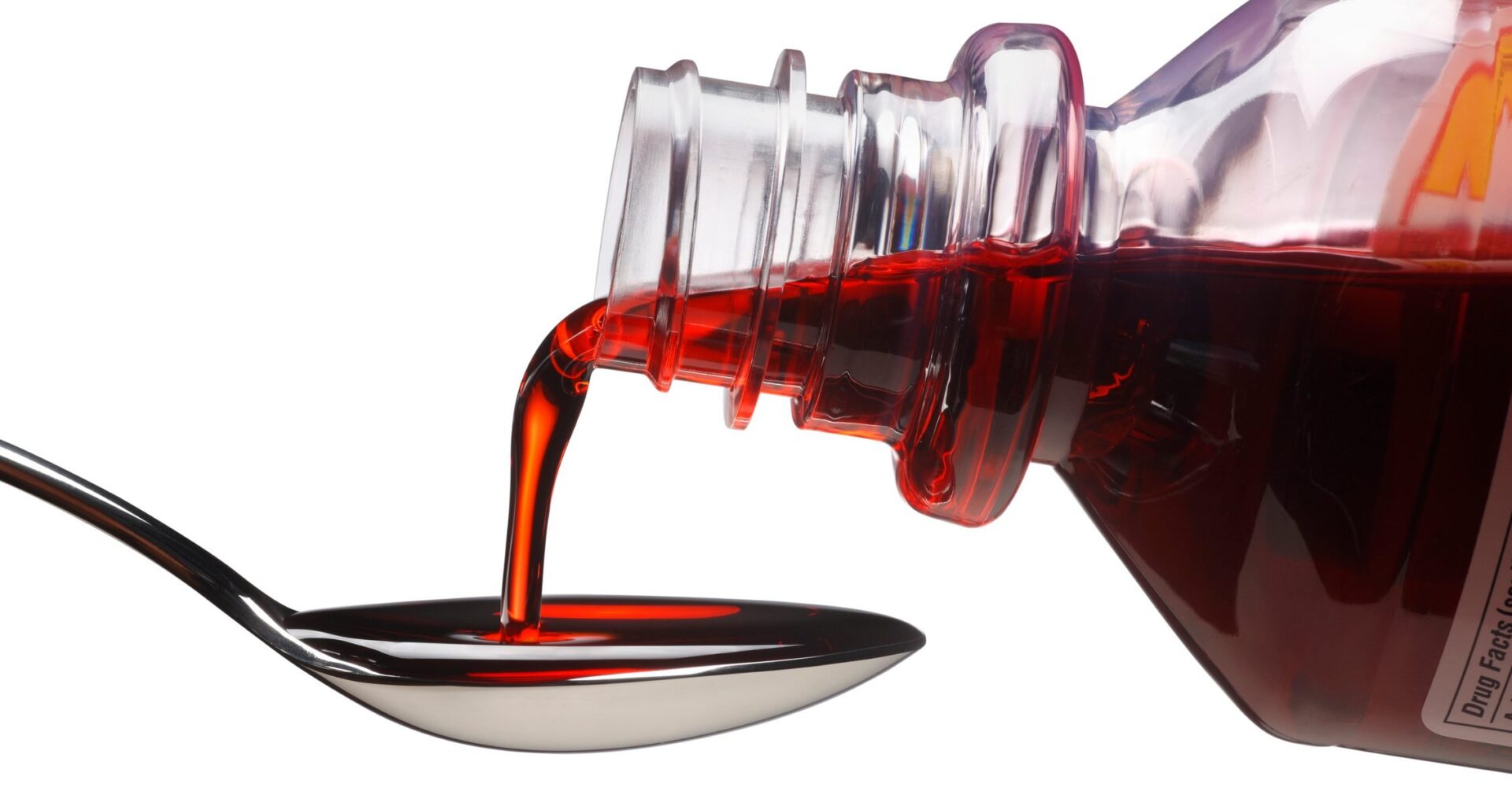
Often, we turn to over-the-counter solutions when certain sicknesses sideline us, but sometimes a prescription is needed to better address symptoms. On that note—and exactly one year after its initiation—a cold medicine recall affecting drugs distributed in Ohio has finally come to a close. According to an updated January 7, 2026 report from the U.S. Food and Drug Administration (FDA), 4,080 bottles of the prescription drug Guaifenesin and Codeine Phosphate Oral Solution were pulled from pharmacy shelves beginning in January 2025.
The recall involved bottles manufactured by Greenville, South Carolina-based PAI Holdings, LLC, which was doing business as Pharmaceutical Associates Inc., per the report. The 100 mg/10 mg per 5 mL doses were packaged in 16-fluid-ounce bottles, bearing the National Drug Code (NDC) 0121-0775-16, lot number 4B07, and expiration date of 2026-OCT-31.
The firm voluntarily initiated the recall after the medication was found to be “superpotent,” meaning it contained higher-than-approved levels of its active ingredients. Because the drug combines guaifenesin with codeine—an opioid—excess potency could significantly increase the risk of side effects.
Health experts stress that even properly manufactured opioid-containing medications require careful use. The Cleveland Clinic advises patients to take combination cough suppressants containing codeine “exactly as prescribed and for the shortest time possible,” noting that higher doses or prolonged use can raise the likelihood of serious complications.
The FDA report also appears to indicate that the combination drug’s superpotency issue may have been tied to sodium benzoate preservative. Often added to food, cosmetics, and drugs to extend shelf life by preventing the growth of mold and bacteria, this manufactured compound is generally considered safe in small amounts—a fact reflected in the incident’s status as a Class III recall, the lowest risk level the agency assigns recalls. However, experts have raised questions of safety when sodium benzoate preservative is present in higher doses.
According to the Environmental Working Group (EWG), the preservative “has been linked to a variety of health harms, including damage to DNA, hormone disruption and reduced fertility. The group also says sodium benzoate can pose as a cancer risk, “but only if combined with the use of ascorbic acid, citric acid or vitamin C as a preservative, and is added at larger amounts as well as stabilized.”
When exposed to elevated temperatures or excessive sunlight, sodium benzoate can also cause the formation of benzene, “a chemical associated with blood cancers,” the EWG warns.
For daily wellness updates, subscribe to The Healthy newsletter and follow The Healthy on Facebook and Instagram. Keep reading: