
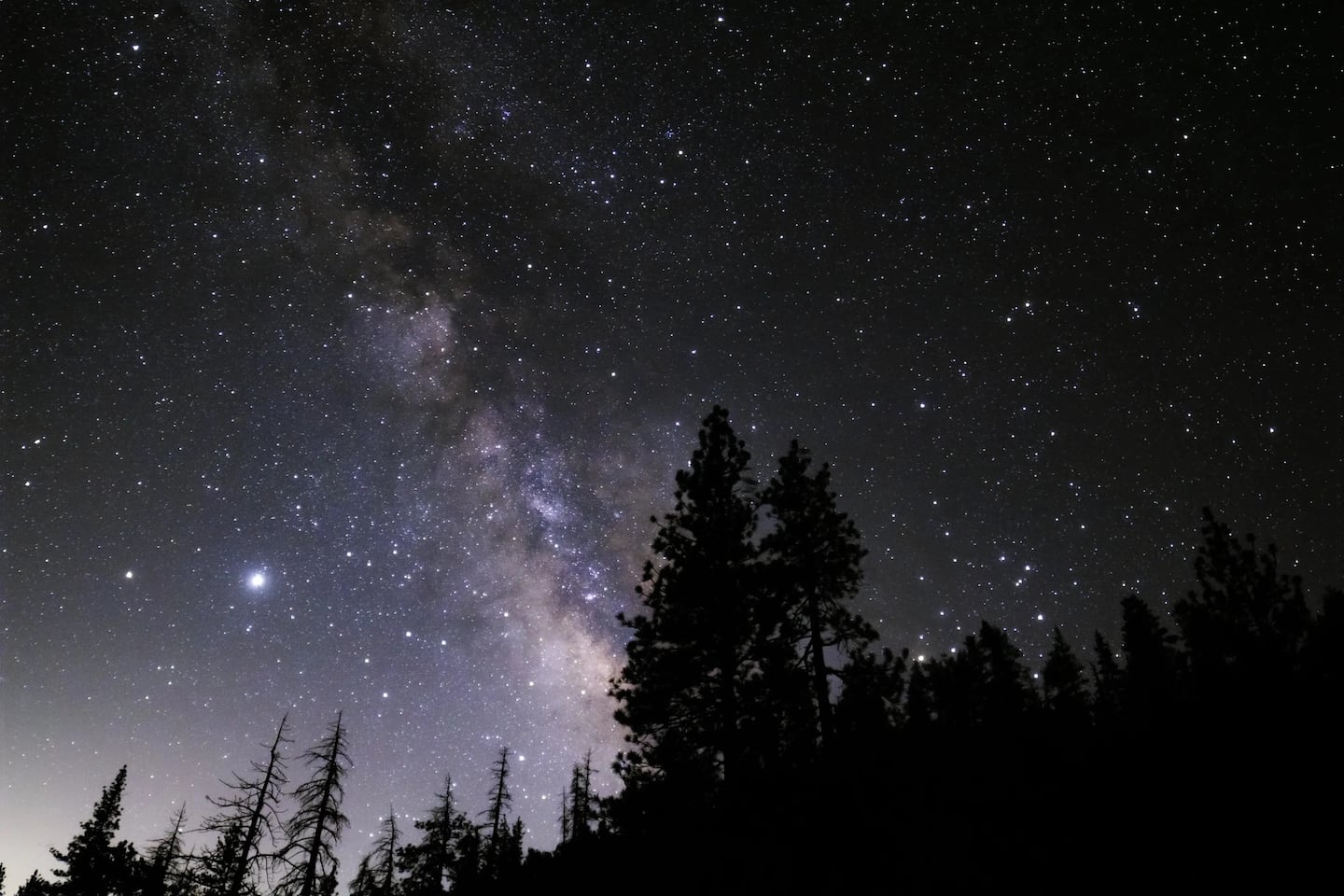
“The opposition of Jupiter is not a one-night event by any means,” said John Gianforte, director of the University of New Hampshire Observatory.
Let’s first define what opposition is. In the technical sense, opposition is the date at which the elliptical longitude of a planet is 180 degrees offset from the elliptical longitude of the sun. In this case, Jupiter is directly opposite the sun in the sky, so when the sun begins to set in the west, Jupiter rises in the east. It’s like seeing a full moon rising at sunset and setting at sunrise.
Astronomers like to use a system to discern the brightness of stars relative to other objects that we see in the night sky. Stellar magnitude is the variable used, and Jupiter’s is going to be at a magnitude of -2.7 at opposition this year. That means you won’t need binoculars. Although counterintuitive, negative magnitudes are brighter, so for comparison, the sun has a magnitude of -26.7, the moon -12.6 when it is full, and Venus -4.7 at its brightest.
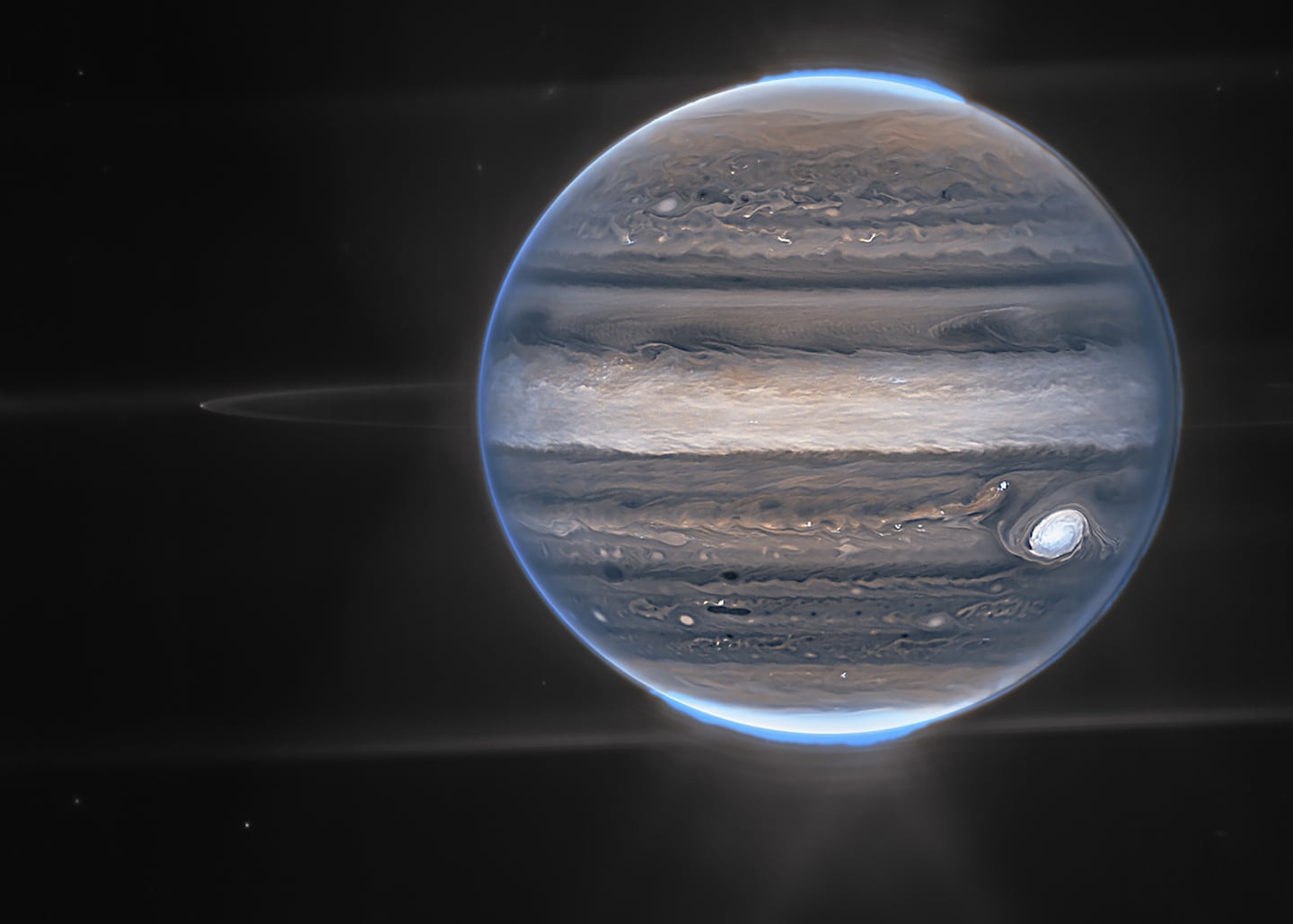 A composite image of the Jupiter system taken by the James Webb Space Telescope.NASA, ESA, CSA, Jupiter ERS Team/NYT
Feb. 28: Planetary parade
One special treat we can look forward to is the planetary alignment occurring in late February with six planets — Jupiter, Uranus, Saturn, Neptune, Venus, and Mercury. You’ll be able to see Venus, Jupiter, Saturn, and Mercury with the naked eye, but you’ll need binoculars or a small telescope to add Neptune and Uranus to the viewing. Personally, I find Mercury very difficult to find without binoculars as well.
Wait about an hour after sunset, and the planets will be lined up diagonally, rising from the western horizon toward a nearly full moon. The moon is going to be quite bright, appearing close to Jupiter, making for a stunning show.
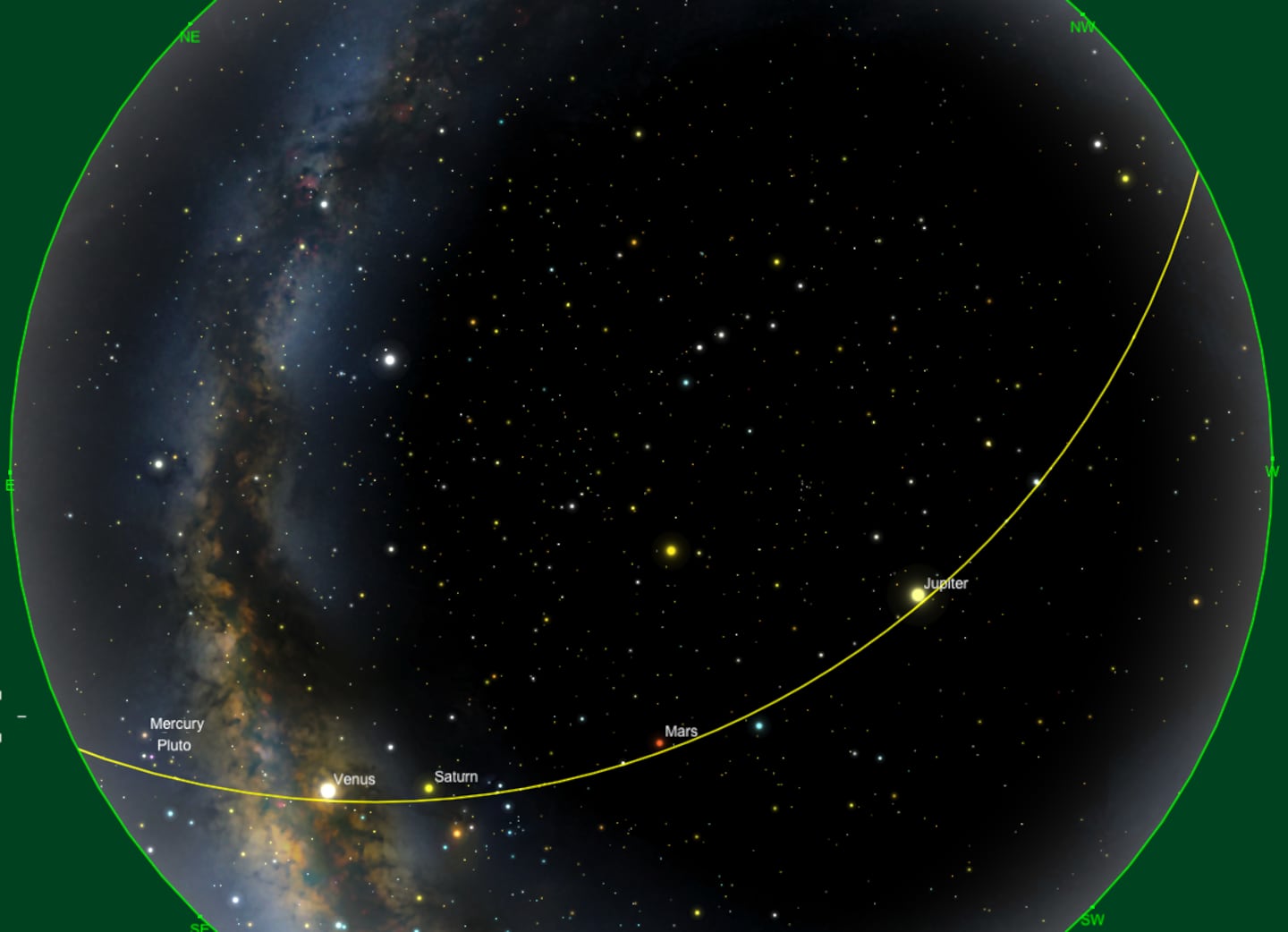 Six planets will be aligned for an extraordinary planetary parade on Feb. 28, visible right after sunset ET.Bill Cooke/NASA
March 3: Lunar eclipse and blood worm moon. But who will see it?
Speaking of the moon, there is a total lunar eclipse on March 3, beginning before and continuing after sunrise. This occurs when the moon passes completely through Earth’s shadow.
The total eclipse will be seen in parts of North America, Australia, New Zealand, East Asia, and the Pacific, but only those in the western half of the United States will be able to see it.
It will be difficult to see from New England since the moon will be setting (it’ll be so close to the horizon) as we gain light partway through the eclipse. The best opportunity to see this is going to be at a higher elevation, looking toward the western sky.
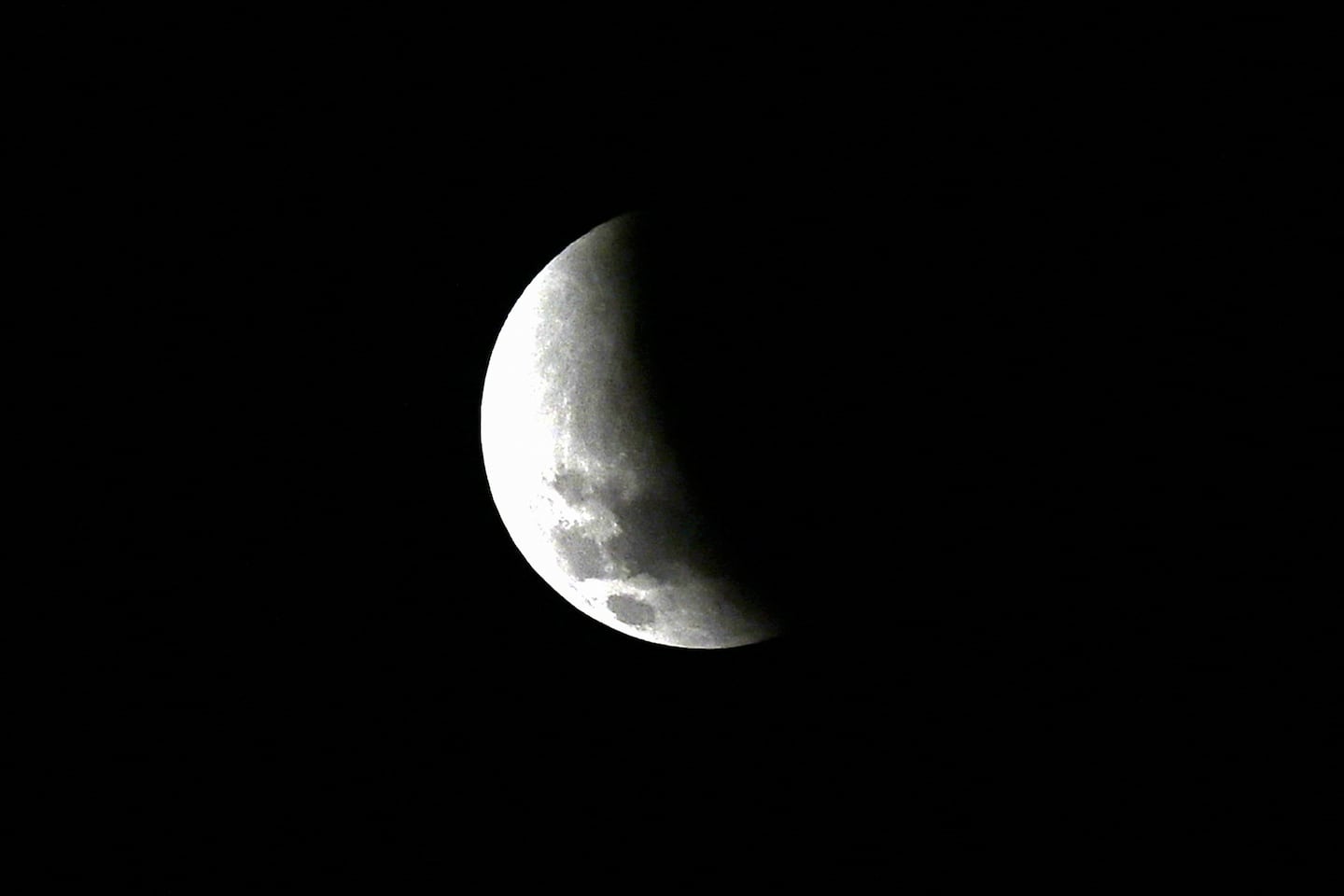 The moon is partly covered in Earth’s shadow during a phase of the lunar eclipse on Sept. 8, 2025.SONNY TUMBELAKA/AFP via Getty Images
The partial eclipse itself begins at about 4:50 in the morning, with the shadow of the Earth touching the moon about an hour earlier. The total eclipse begins at 6:04 a.m. and lasts until 7:03 a.m., making the moon appear a deep reddish color, which some call a “blood moon,” close to the horizon. This happens when some of the sun’s red light is bent around the edge of the Earth’s globe by its atmosphere.
This eclipse coincides with the March full moon, also known as the Worm Moon.
Also, there are three supermoons this year: the first one, the Wolf Moon, appeared was Jan. 3. The others appear late this year, the Beaver Moon on Nov. 24 and the Cold Moon on Dec. 23.
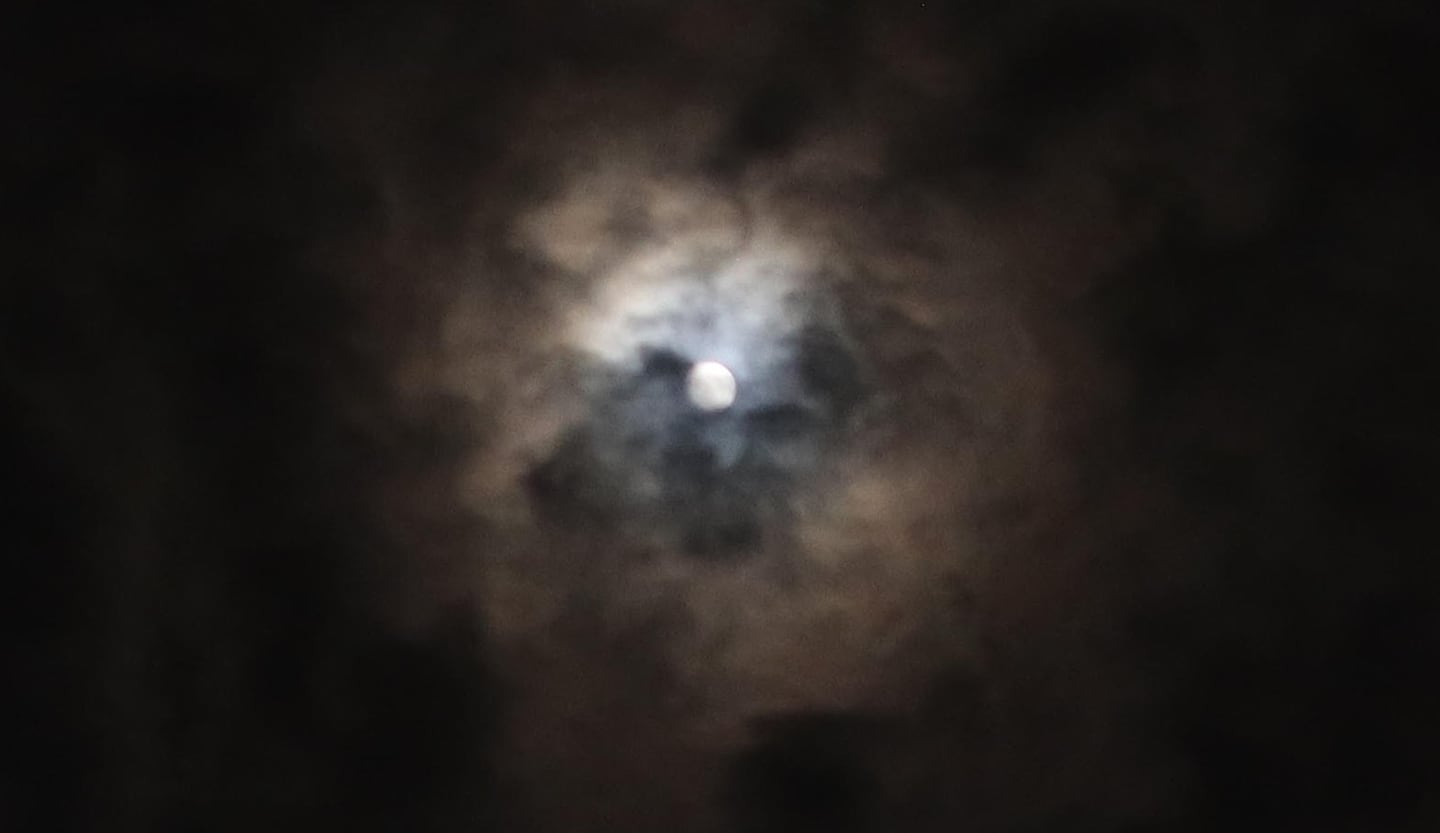 The last supermoon of 2025, the Cold Moon, as seen from Maine.Troy Silvestri
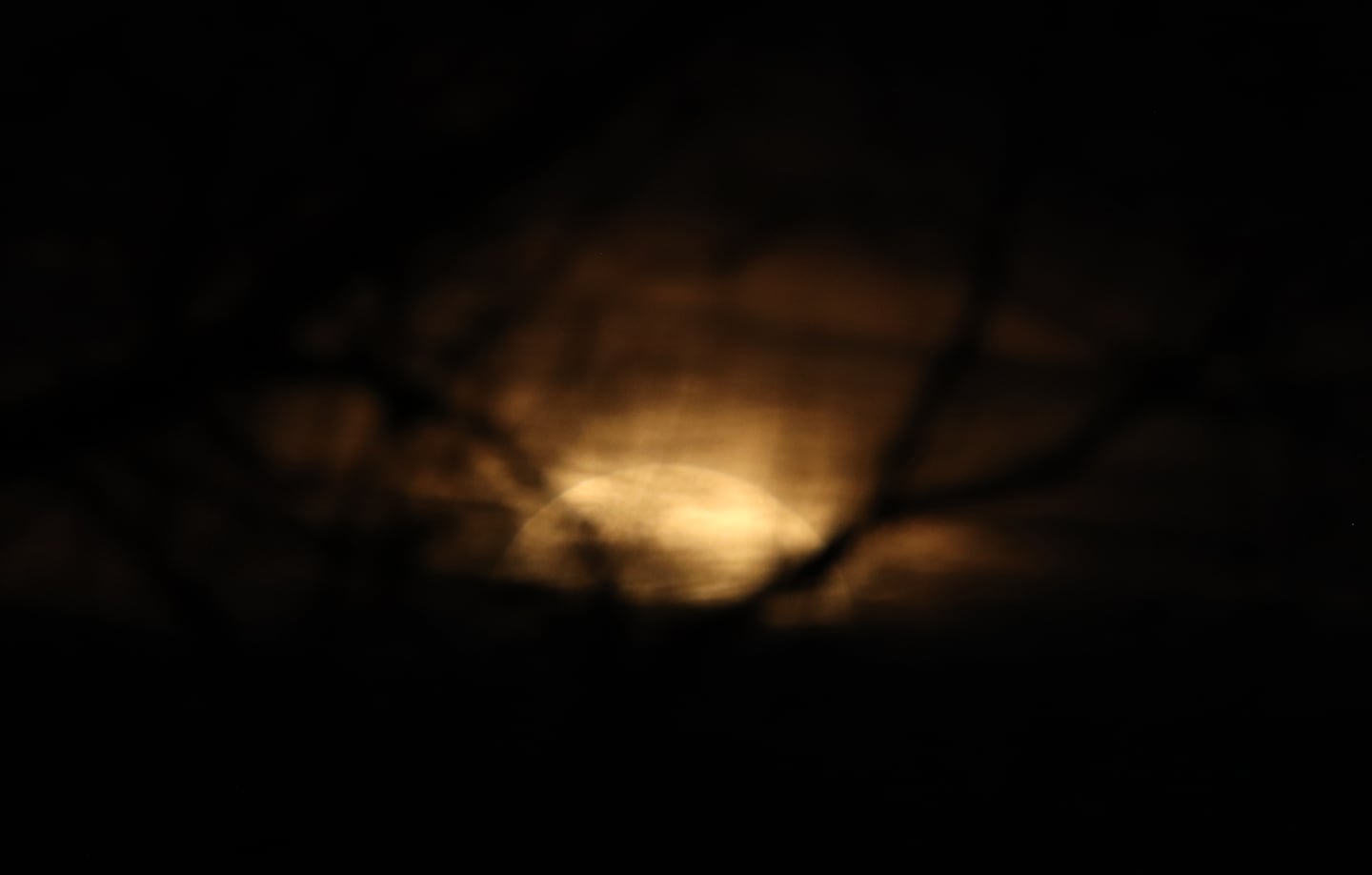 The Wolf Moon on Jan. 3, 2026, as viewed from Maine.Troy Silvestri
If you are wondering why you haven’t been able to see Venus recently, it’s because it reached “super conjunction” on Jan. 6, when its orbit took the planet behind the sun, so we don’t get a chance to see it. It also marks the time when Venus reaches apogee, its most distant point from Earth in its orbit. Venus will re-emerge in late February and be quite visible in the evening sky during March and beyond.
About the same time that we’re getting Venus back in the evening sky, the planetary alignment will just be occurring.
Don’t forget the constellations!
Finally, any night this winter, you might want to just look up and see if you can spot Orion, also known as the hunter. It’s the centerpiece of the winter sky and easily found by that three-star belt.
Other constellations like Taurus and Gemini are also visible this time of the year. Also, the three bright stars Sirius, Betelgeuse, and Procyon form the Winter Triangle, a prominent asterism or star pattern. This triangle helps you find three constellations since Sirius is part of Canis Major, Betelgeuse is a massive red giant on Orion’s shoulder, and Procyon is the brightest star in Canis Minor, a small two-star constellation.
Although it’s cold, winter is a great time to view the night sky with dry air and a lot of darkness. It’s just some of the best viewing of the year.
Sign up here for our daily Globe Weather Forecast that will arrive straight into your inbox bright and early each weekday morning.