
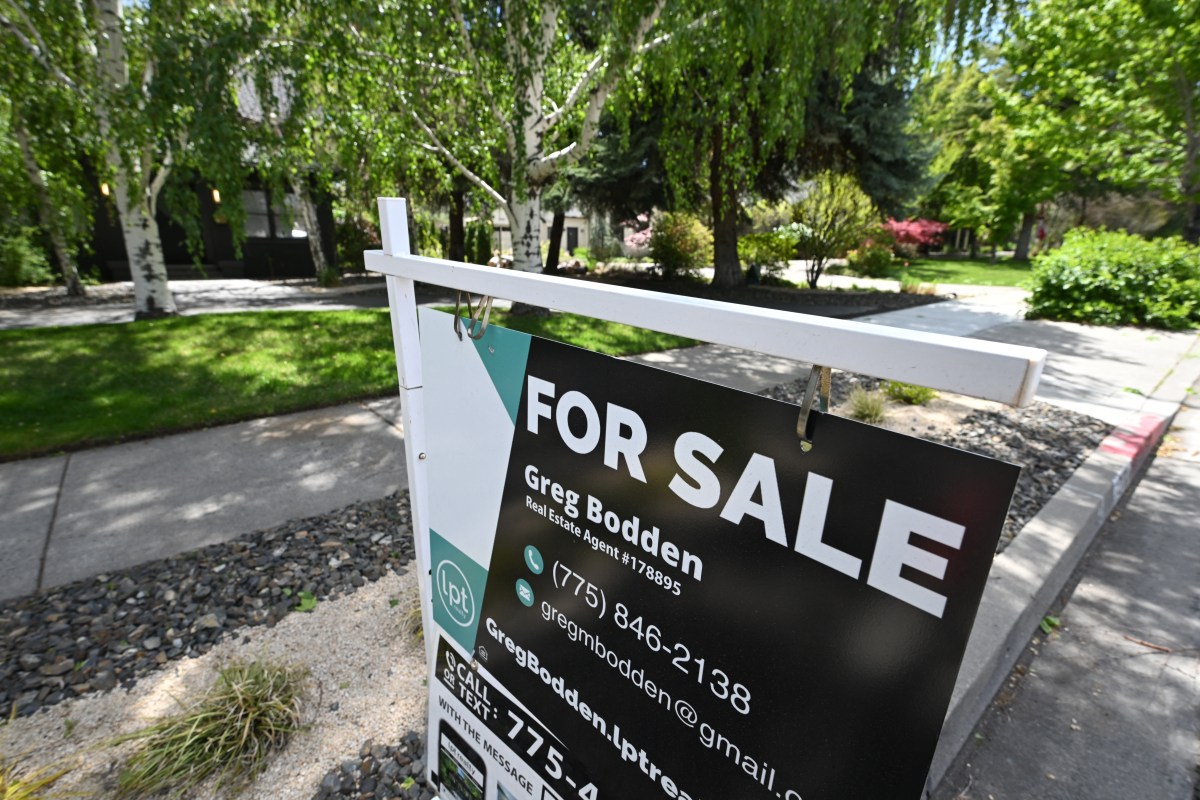
A new report has revealed some good news for home buyers in 2026: despite many sellers delaying their home sales over the past few years, there’s likely to be a surge of new homes available.
The Top Agents Insights & Predictions Report from HomeLight revealed that 74 percent of real estate agents believe homeowners who delayed selling in 2024-2025 will re-enter the market.
Why It Matters
The holdout amongst sellers has kept home prices in some markets artificially high, keeping many Americans from reaching their dream of home ownership.
If more sellers finally enter the market after delaying for better conditions for the last two years, buyers would likely be able to secure properties at lower rates.
 What To Know
Overall, 70 percent of more than 850 real estate agents said they’re optimistic about the 2026 housing market in the HomeLight report.
The exact specifics could vary, but 47 percent predicted slow economic growth but no recession for the year ahead.
In today’s market, the agents said 14 showings is the average number it takes to sell a home nationwide.
“The housing market is showing some positive signs, with mortgage interest rates gradually declining and the employment rate remaining steady. These factors have contributed to a generally optimistic outlook among builders for 2026,” Ken Harthausen, the president of the Builder Division at NewDay Home, told Newsweek.
“However, it’s important to note that both the cost of new construction and resale properties are expected to continue rising. This could present long-term challenges for buyers, particularly for first-time homebuyers, who may find it increasingly difficult to enter the market.”
Affordability is slowly improving, with real prices declining and wage growth outpacing home price growth, and new construction is adding options in select markets, experts say.
“For buyers, this means more opportunities as supply improves,” Selma Hepp, Chief Economist at Cotality, told Newsweek. “Also, recent changes to personal taxes and increases in SALT deductions will make homeownership more appealing for middle-income buyers in some areas, such as California and the northeast. For sellers, pent-up demand could translate into steady activity once rates stabilize, especially in affordable regions.”
What People Are Saying
Ken Harthausen, the president of the Builder Division at NewDay Home, told Newsweek: “Mortgage companies are introducing innovative homebuying solutions to make homeownership more accessible. For example, veterans and active service members can now purchase homes without paying upfront closing costs, which typically range from 3-6 percent of the home’s purchase price. This initiative helps ease some affordability challenges for these buyers.”
Sasha Poparic, the CEO and founder of Immobilium, the international real estate platform, told Newsweek: “The most encouraging sign is that stability is returning to the market. We are observing price growth slowing to sustainable, realistic levels, where buyers are becoming more deliberate and sellers are adjusting their expectations. This combination promotes healthier transactions rather than volatility driven by fabricated urgency and fear.”
Selma Hepp, chief economist at Cotality, told Newsweek: “Supply will improve in 2026, but unevenly. New construction will play the most critical role in shaping affordability, particularly in markets where builders can deliver entry-level homes. However, labor shortages and high material costs remain as constraints, as do continued costly regulatory barriers and NIMBY efforts in some markets that are critically undersupplied. Existing-home listings should rise gradually as the lock-in effect eases—especially if mortgage rates decline further—but this will take time.”
What Happens Next
Poparic said in 2026, both buyers and sellers can anticipate a more balanced real estate market.
“Homes will continue to sell, but factors such as pricing, condition, and location will regain their importance,” Poparic said. “Buyers will have more time to make decisions, while sellers will need to be realistic instead of relying only on market momentum.”
He added: “A healthier market makes it easier to find affordable options, reduces financial stress for families, and allows people to choose their housing based on what they truly need in life, rather than worrying about the ups and downs of the market.”