
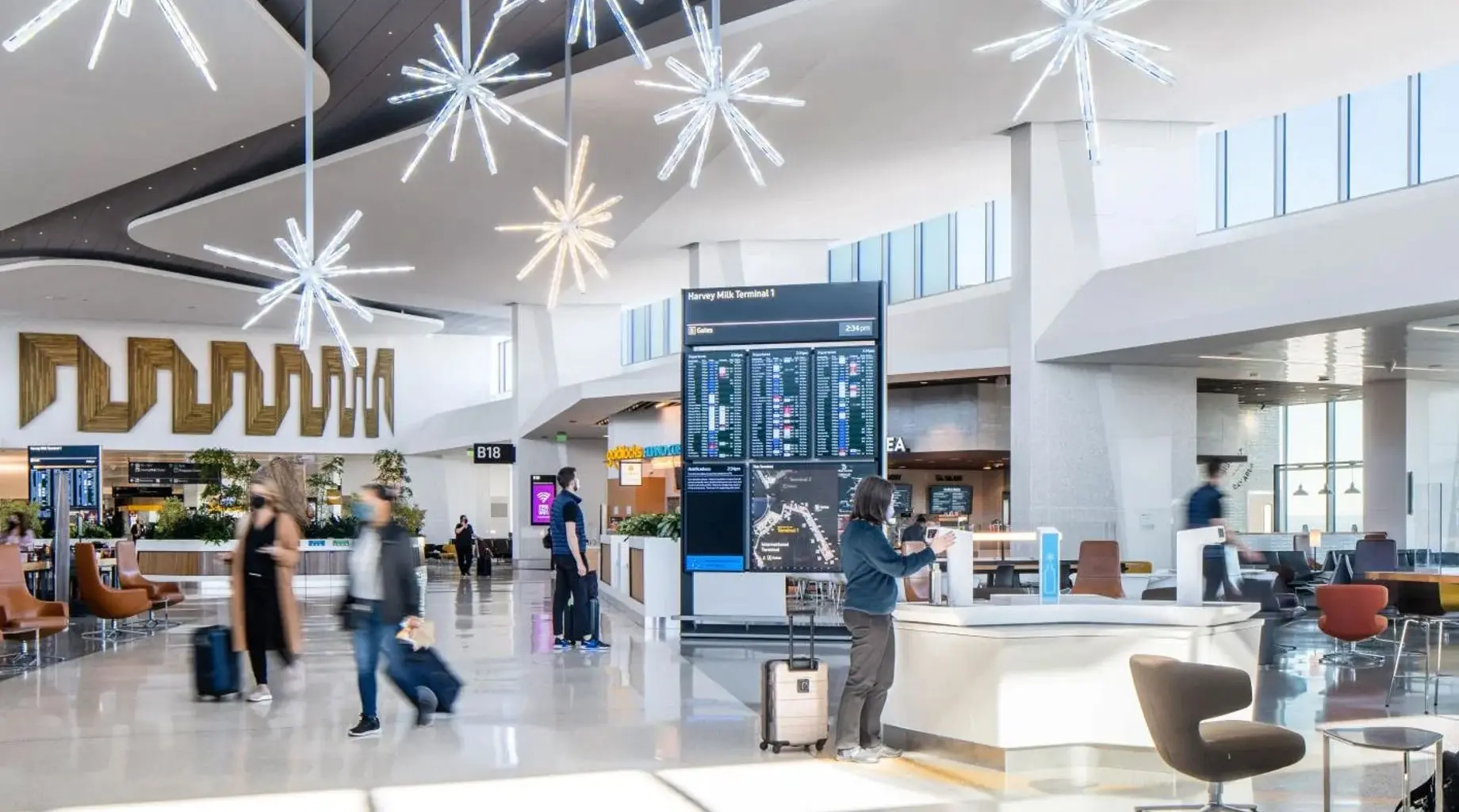
SAN FRANCISCO— Airports rarely draw attention for their architecture, yet San Francisco International Airport (SFO) has emerged as a global benchmark for design excellence. In early December 2025, Harvey Milk Terminal 1 at SFO received the Prix Versailles title for the World’s Most Beautiful Airport, an award presented annually at UNESCO’s headquarters in Paris.
The recognition places the California gateway, home to major operators such as United Airlines (UA), in a rare category where infrastructure, sustainability, and passenger experience converge. With more than 51 million passengers passing through SFO each year, the award signals that large, high-traffic airports can still deliver calm, human-centered environments.
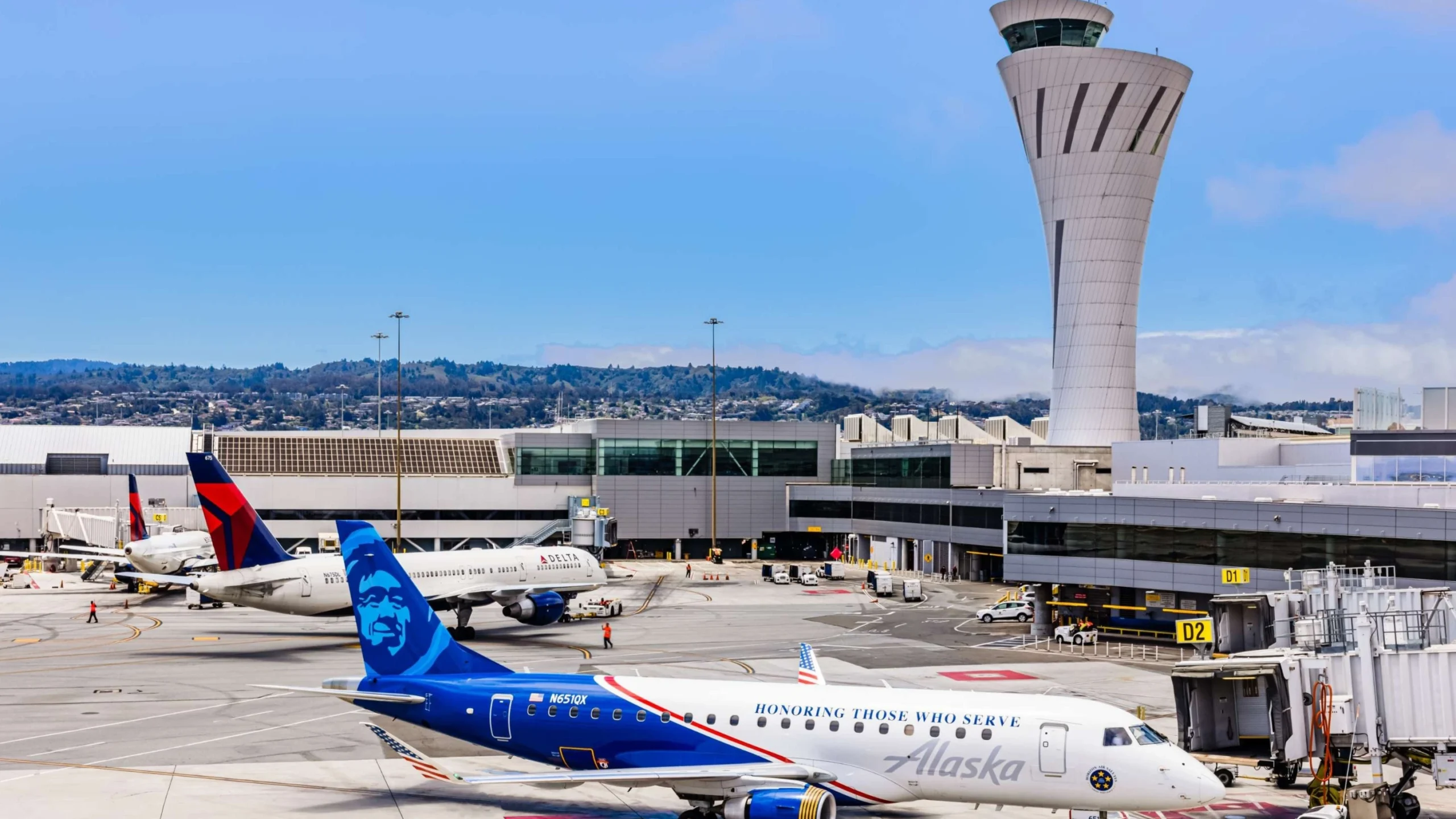 Photo: San Francisco International SFO Airport
San Francisco Airport: Most Beautiful Terminal
The Prix Versailles jury praised Harvey Milk Terminal 1 as the result of a sweeping transformation that balances operational efficiency with visual and emotional comfort.
Judges highlighted the terminal’s restorative atmosphere, noting how its architecture encourages passengers to slow down and engage with their surroundings rather than rush through them.
The terminal’s development unfolded in phases, beginning with its initial opening in 2019 and concluding in June 2024. Over that period, the project reshaped one of SFO’s busiest domestic hubs into a modern space defined by openness, natural light, and thoughtful circulation.
Beyond aesthetics, the award also reflects the growing importance of airports as cultural gateways. Industry observers see the recognition as a signal that global aviation infrastructure is increasingly judged not only on capacity and punctuality, but also on how it represents the values of the cities it serves.
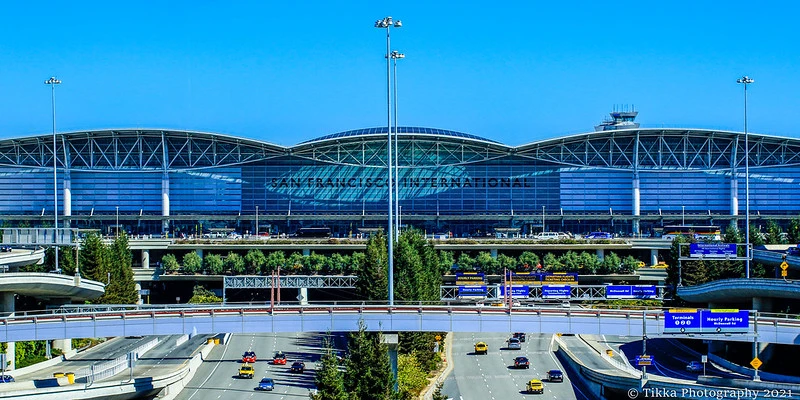 Photo: John Tikka / Flickr
Sustainability And Design
Sustainability formed a central pillar of Harvey Milk Terminal 1’s redesign. The terminal achieved a 79 percent reduction in carbon emissions and cut energy usage by 59 percent, setting a high bar for large-scale airport projects in North America.
Design elements reinforce this environmental focus through daylight-filled interiors, energy-efficient systems, and materials selected for durability and low environmental impact.
Rooftop gardens overlooking the runway provide green spaces that double as visual landmarks, offering passengers a rare moment of calm within a busy airport setting.
The terminal also adopts a quiet-airport philosophy, favoring digital displays over constant public announcements. This approach reduces noise pollution and supports a more relaxed travel experience, particularly for passengers sensitive to sound or traveling with families.
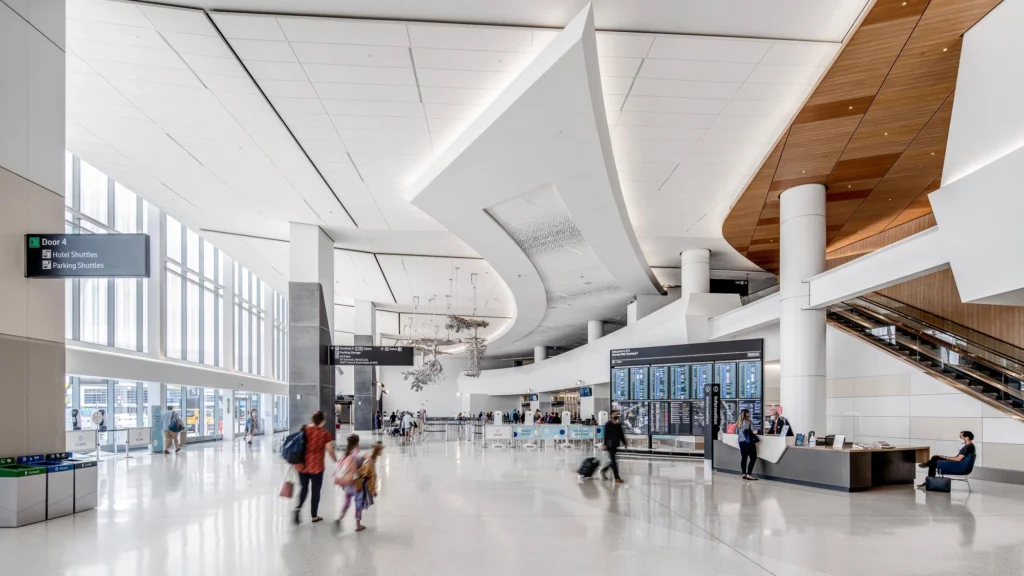 Photo: Jason O’Rear Photography
Culture And Experience
Harvey Milk Terminal 1 stands out for embedding local culture directly into its passenger journey, according to Travel and Leisure.
As the world’s first airport terminal named after an LGBTQ civil rights leader, it includes a permanent exhibition honoring Harvey Milk’s legacy alongside more than 30 original artworks celebrating the Bay Area’s creative and progressive identity.
Passenger well-being shapes many of the terminal’s features. These include gender-neutral restrooms, wellness zones, accessible wayfinding, and wide corridors designed to ease crowding during peak hours.
Retail and dining concepts further strengthen the local connection. The terminal prioritizes regional brands and produce, with outlets such as Bourbon Pub offering menus developed by well-known local chefs, reinforcing a sense of place before travelers even leave the airport.
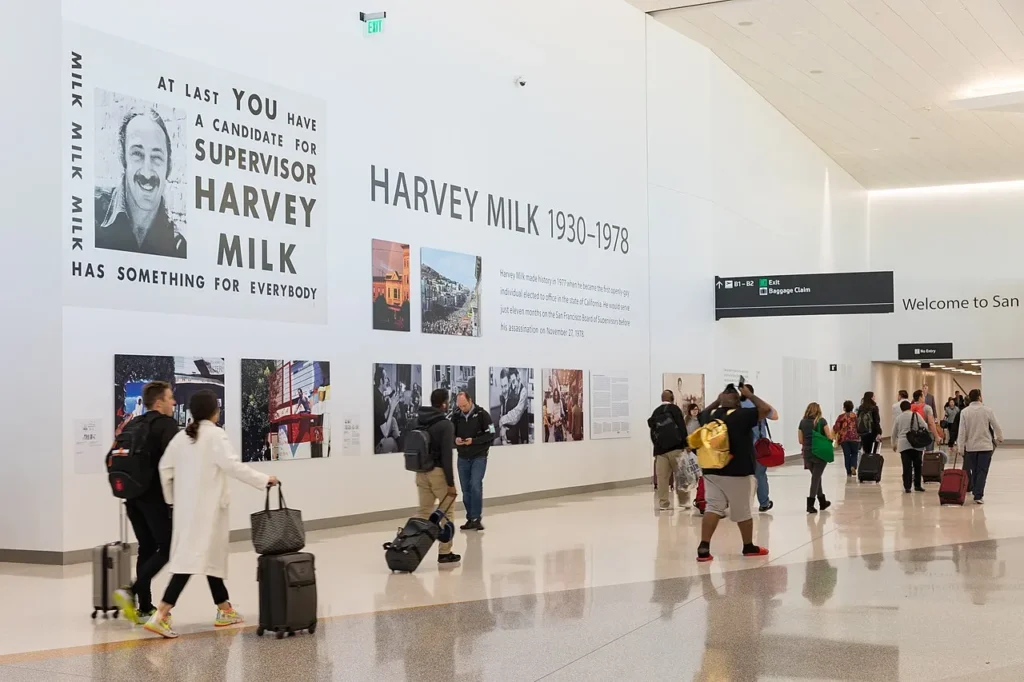 San Francisco Airport; Photo- Wikipedia
Bottom Line
Harvey Milk Terminal 1’s Prix Versailles win confirms that modern airports can deliver far more than efficient transit.
At SFO, design, sustainability, and cultural storytelling combine to create an environment that reflects San Francisco’s values while setting a new global standard for airport architecture.
Stay tuned with us. Further, follow us on social media for the latest updates.
Join us on Telegram Group for the Latest Aviation Updates. Subsequently, follow us on Google News