

It doesn’t matter how much experience you have. In 2026, if you’re a creative professional, the anxiety is real. We’ve seen the headlines about AI-generated campaigns, the flood of synthetic images, the chatbots that write copy in seconds. It’s no longer about whether AI will affect creative work; it already has.
The question is: what are you going to do about it?
You may like
Editing and curation
Jessica Walsh, founder and creative director of &Walsh, puts it bluntly: “I think it’s about learning the things AI can’t fake… yet.

Jessica Walsh (Image credit: &Walsh)
“I think creatives should keep refining their own personal taste and point of view – aka judgment – and voice,” she explains. “AI can generate infinite options. What it can’t do is decide what’s good, what’s wrong, what’s culturally off, or what will age badly. So the most valuable skills creatives can learn right now aren’t how to be the fastest makers, but how to be the strongest editors and curators and thinkers.”
Lainey Holland, junior art director at Lewis, takes a similar line. “In creative careers, having an edge has shifted from hands-on creation to thoughtful curation,” she argues. “AI can now generate dozens of concepts, storyboards and iterations in the time it once took a small team to produce a single idea. That abundance is both exhilarating and overwhelming, and it has fundamentally changed what it means to lead creatively.”
For Lainey, the skill now lies “not in making everything yourself, but in understanding why certain ideas work, so you can guide AI toward stronger outcomes. Out of a sea of outputs, AI cannot decide what truly deserves attention. That judgment and discernment comes from studying what moves people, how stories create emotional momentum, and why some ideas linger while others disappear.”
Critical thinking
In this environment Harry Ead, head of creative at DixonBaxi, identifies critical thinking as an essential skill to sharpen in 2026. “As tools get faster and answers easier to find, the real risk to creativity is efficiency,” he explains. “Accepting the first thing that lands, delivering in an instant and moving on to what’s next.”

Harry Ead (Image credit: DixonBaxi)
For Harry, it’s the creative process itself that matters. “Thinking through doing. Writing. Sketching. Designing. Talking. Thousands of micro-decisions that sharpen judgement, build taste, and uncover the unexpected. That winding process matters. Without it, we skip to the end and miss an opportunity to connect with what we’re creating.”
You may like
In this light, he argues that critical thinking – “the ability to be curious, challenge assumptions and push beyond the first answer” – requires patience, stubbornness and trusting hard-earned instinct. “When everyone has access to the same tools, originality won’t come from the tech itself. It will come from how we think, how well we contextualise, subvert and question what’s in front of us.”
Storytelling and conceptual depth
Léa Berger, creative lead at Morrama, points out that storytelling is another skill where “human minds excel” and AI tools struggle. “Setting up the scene and telling the story of a product is something that’s part of the creative process and builds the foundations for a successful design,” she reasons. “This involves talking about emotional connections in a way that machines are not able to.”

Léa Berger (Image credit: Morrama)
From this standpoint, Léa’s response to AI “is not a straightforward case of learning a few new skills; it’s a shift from fear to agency. Designers who can frame the right questions, stories and systems will matter more.”
Lucas Luz, associate creative director at &Walsh, is focusing on precisely these areas right now. “I don’t see AI as something to ‘defend’ myself against,” he begins. “But it has pushed me to deeply sharpen human skills that machines still struggle with.
“So I’m investing more time in conceptual thinking, taste-making and creative direction. I’m also deepening my skills in storytelling, editing and presenting. The ability to curate, refine, and connect disparate ideas into a clear point of view has become far more valuable than execution alone.”
Marina Bonet, architectural team lead and spatial designer at Random Studio, argues forcefully that AI lacks fundamental human qualities. “I don’t think AI is a threat to my job,” she says. “AI is not human. And as much as it can learn from us, it will never have the sensibilities, vision or even the infinite questions that trained designers ask themselves every time they approach a project.”
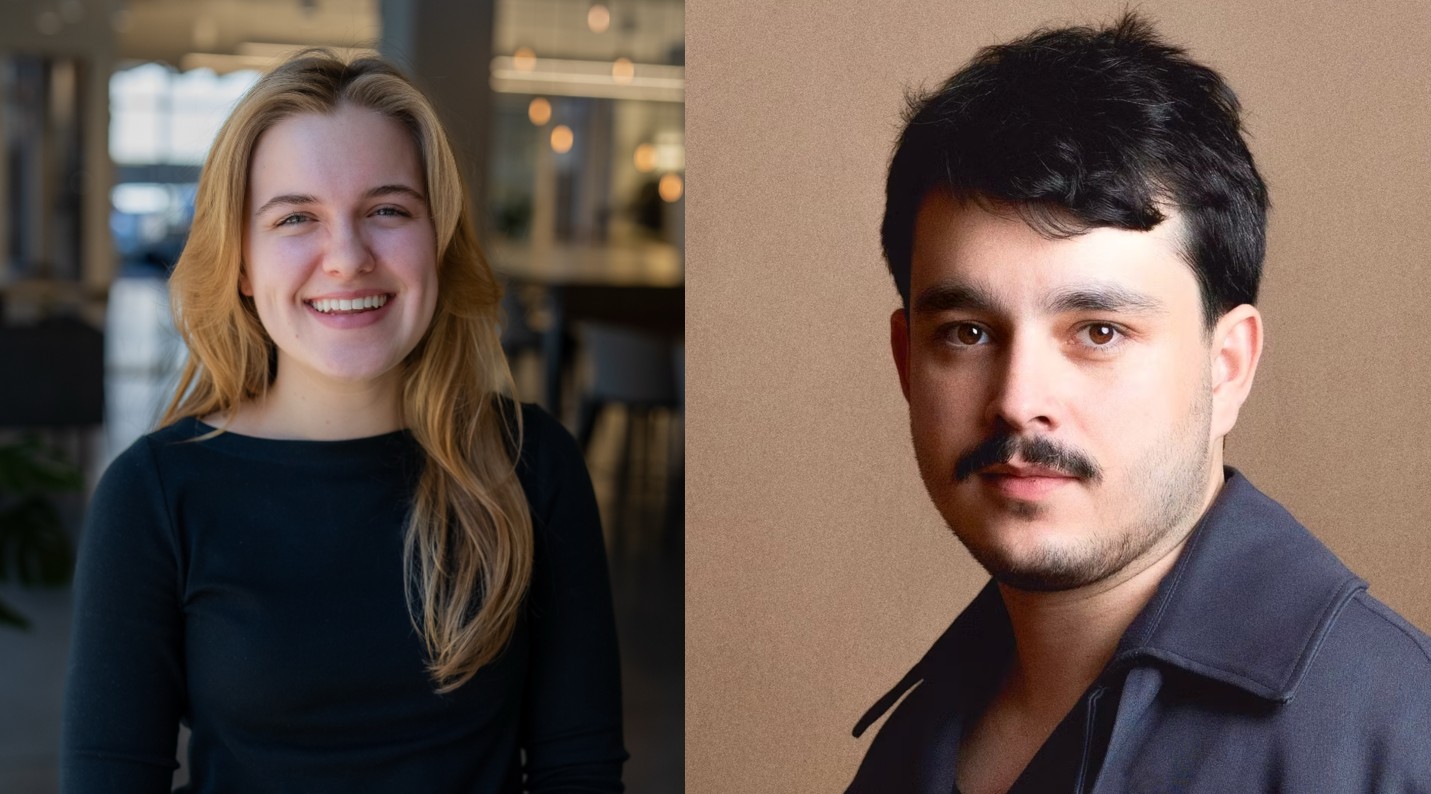
Lainey Holland and Lucas Luz (Image credit: Lewis/&Walsh)
Many designers in her studio initially embraced Midjourney, she says, but then later abandoned it. “These tools always create images that are just ‘not human enough’,” she says. “You’ll always be able to see that the machine language is stronger than the human feeling you would like to communicate.” Her solution? “Make my renders – with an actual 3d program/render machine – even better.”
In other words, while AI can be “a great tool to open your mind, explore and quickly generate multiple ideas,” Marina believes the decision-making process “can only be done by humans working in the field.”
Craig Dobie, co-founder and creative director at Applied Design, takes perhaps a more pragmatic view. “I’m not someone who thinks of AI as a threat as much as I think of it as a tool,” he explains. “If there really is a threat, it’s the threat of being left behind by actively avoiding using AI or not taking advantage of the ways it can help you create.”
Craig believes that AI can accelerate “so many of the tasks we do as part of the creative process research, summarising, ideation, rough prototyping, iterating, rewriting, proofreading,” and so his advice is simple. “I think you only need to flex two skills: being open minded and being inquisitive,” he says. “If you have those skills, the rest will take care of itself.”
So, what skills do you need?
The more I talk to people up and down the industry, the wider variety of opinions on AI I hear. But what everyone agrees on is that creative work is shifting; we simply can’t ignore this stuff any more.
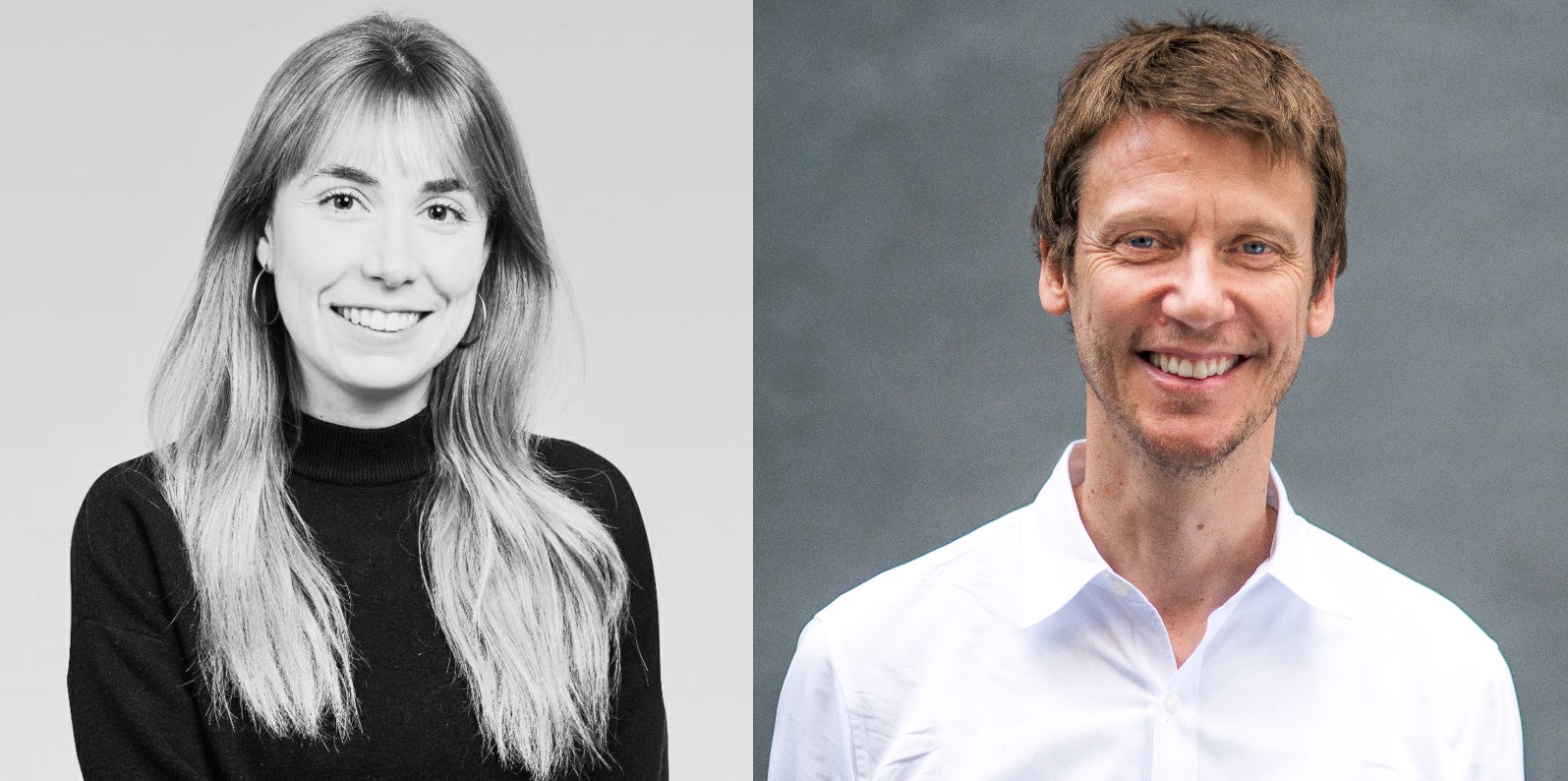
Marina Bonet and Craig Dobie (Image credit: Random Studio/Applied Design)
Speed and execution (the things AI excels at) are becoming commoditised. What remains valuable though – perhaps more valuable than ever – are the distinctly human skills. Judgment. Taste. Cultural awareness. Emotional intelligence. The ability to ask better questions. The patience to push beyond the first answer.
The creatives who thrive in the late 2020s won’t be the ones who master AI prompts the fastest. They’ll be the ones who understand that in a world where everyone has access to the same generative tools, originality comes from how you think, what you know, what you’ve experienced, and what you choose to do with the infinite options AI presents.
As Léa puts it, the skills to focus on are “the ones that make us truly human, and making sure that our brand remains unique”. In 2026, that might be the most valuable skill of all.
For more on AI and the creative industries, see our piece on the best AI generators for game art.