
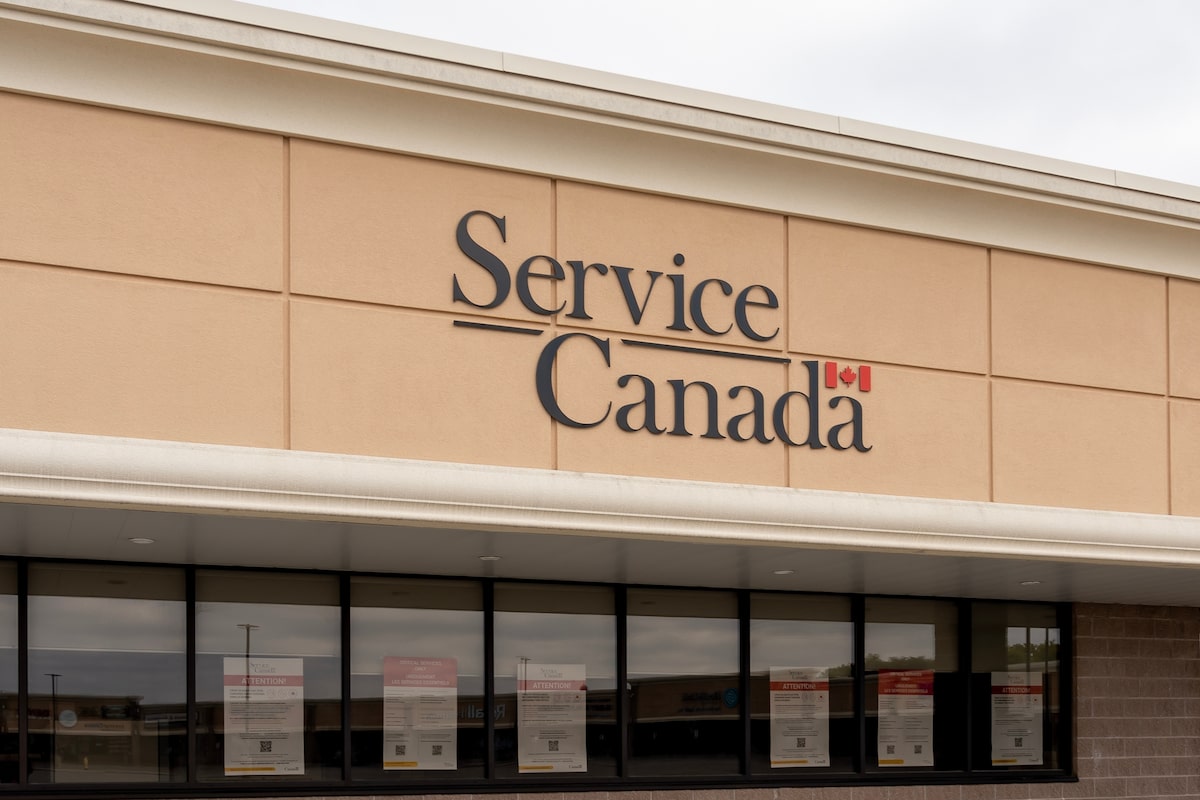
In 2013, Service Canada began auto-enrolling Canadians who were 65 for OAS.JHVEPhoto/iStockPhoto / Getty Images
High-income seniors who want to defer their Old Age Security Pension (OAS) to avoid having benefits clawed back should inform the government of their decision. A recent court ruling shows what can happen when they don’t.
A taxpayer who waited two years to contact the federal government after Service Canada enrolled him automatically for OAS has lost his latest attempt, this one at the Federal Court of Appeal, to have his OAS payments stopped.
In Abramowitz v Canada, a ruling released in November, the court upheld the lower court’s 2024 decision that the government had acted reasonably in denying the taxpayer’s reconsideration request.
OAS auto-enrolment
The OAS is a monthly pension payment available to eligible seniors aged 65 years and older. Above an annual income threshold ($93,454 in 2025), the benefit is clawed back.
In 2013, Service Canada, acting on behalf of Employment and Social Development Canada, began auto-enrolling Canadians who were 65 for OAS. In most cases, Service Canada sends a letter one month after the taxpayer turns 64 to inform them that they’ll be auto-enrolled the following year and that they should contact Service Canada if they wish to delay receiving OAS.
A taxpayer who delays OAS receives an additional 0.6 per cent for every month after turning 65. If a taxpayer defers the OAS until 70, they receive an extra 36 per cent of the benefit. (There’s no benefit in deferring OAS beyond 70.)
A late request to reconsider
In May, 2019, soon after turning 64, the taxpayer in Abramowitz v Canada received a letter from Service Canada notifying him he would be auto-enrolled for his OAS pension in June, 2020, unless he contacted Service Canada to defer.
In May, 2020, he received another Service Canada letter informing him he would begin receiving his OAS pension that June. The letter said OAS amounts were taxable and that if income was above the recovery threshold amount, Service Canada could withhold a portion of the pension. It said the taxpayer had 90 days to request a reconsideration of the decision, which he didn’t do.
However, two years later, the taxpayer requested that the government reconsider the auto-enrolment. He said he didn’t realize his entire OAS would be clawed back because he was still working and earning income. In addition, he said he couldn’t go to a Service Canada office in 2020 because of the pandemic.
The government denied his request because it was received after the 90-day deadline. It also said the taxpayer had missed the deadline to cancel a pension. Under OAS rules, a beneficiary can cancel a pension and repay the amount received up to six months after they’ve started receiving payments. (They can later reapply for OAS.)
After reviewing the taxpayer’s file, the government said the taxpayer was provided information about delaying his pension and noted that an eService Canada phone system was available for those who couldn’t visit a Service Canada office in person during the pandemic.
The taxpayer appealed to the general division of the Social Security Tribunal, arguing in part that the government had taken too long – seven months – to issue its reconsideration decision. The general division dismissed the appeal. Then, the taxpayer sought leave to appeal to the tribunal’s appeals division but was denied.
In Federal Court
In 2024, the taxpayer applied to the Federal Court of Canada (FCC) for a judicial review of the appeal division’s decision not to consider the case. In court, the taxpayer also questioned the soundness and efficacy of the government’s OAS auto-enrolment policy.
The FCC judge said in her decision that it wasn’t the court’s role to review the policy, only the appeal division’s decision.
In denying the appeal, the judge noted the taxpayer had acknowledged he didn’t review the Service Canada letters, and that the record showed he had been informed of the implications of receiving OAS at 65.
“The fact that the [taxpayer] was very busy at work does not relieve him of the obligation to ensure he understood the consequences of receiving his pension at the age of 65 while still employed,” the judge said.
Ultimately, the taxpayer was responsible for his own retirement planning, she added.
The judge did note that the Social Security Tribunal had mistakenly cited legislation governing the Canada Pension Plan (CPP) rather than the law governing the OAS when denying the taxpayer’s reconsideration of his auto-enrolment.
However, as the provisions governing CPP and OAS reconsiderations are similar, the mistake did not render the appeal division’s decision unreasonable, the judge noted.
The Federal Court of Appeal agreed last year, saying the mistaken citation did not cause it to lose confidence in the appeal division’s decision.
Double disadvantage
Jason Heath, managing partner at Objective Financial Partners Inc. in Markham, Ont., says that a senior earning a very high income may be doubly disadvantaged if they start their OAS at 65.
“Not only would they lose the deferral benefit – they might also not even receive any OAS at all,” because of the clawback, Mr. Heath says.
The government’s OAS auto-enrolment policy means that higher-earning seniors who receive a Service Canada letter must be proactive in deciding whether to defer OAS – and informing Service Canada if they do.
“The government’s not in the business of giving tax advice,” Mr. Heath says.
Canadians can apply for or delay their OAS payments online using their My Service Canada account or by completing an “Application for the Old Age Security Pension and the Guaranteed Income Supplement” form and either mailing it in or dropping it off at a Service Canada office.