
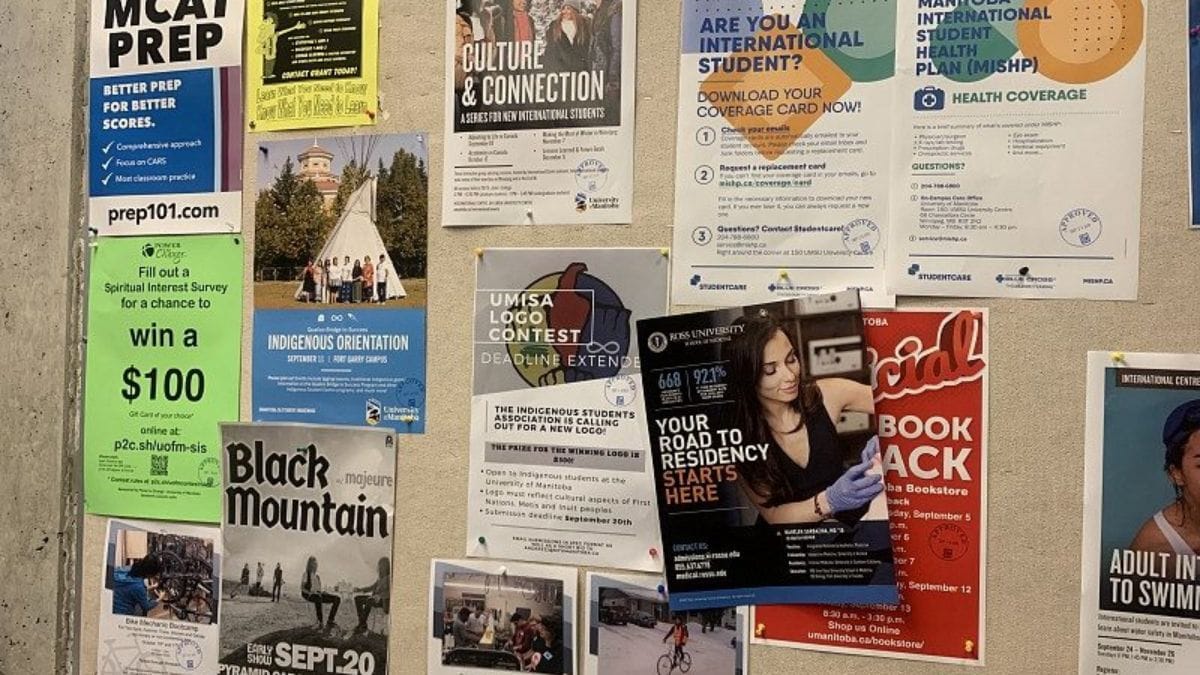
College campuses once relied on notice boards, flyers, and word-of-mouth announcements to distribute information. Today, student journalists are live-tweeting events, producing digital newsletters, and publishing multimedia stories before the first class even begins.
Campus journalism has undergone a significant shift – from physical boards to dynamic digital platforms. This article outlines the development of campus reporting, the forces that shaped it, and the direction it appears to be heading.
Origins
In the early years of higher education, student communication was minimal and manual. Notices were posted on cork boards, and simple newsletters were circulated among students.
These publications often carried club announcements, local event details, and occasional student opinions. The tools were limited, and so was the reach. Information traveled slowly, and access was confined to physical spaces within the campus.
The 20th century saw the rise of print journalism on college campuses. Student newspapers became a standard part of university life. Publications like The Harvard Crimson, The Daily Texan, and The Michigan Daily gained reputations beyond their campuses.
These newspapers were often managed entirely by students and served as entry points into professional journalism. Reporters focused on campus news, student government, administrative policy, and social issues. Copies were distributed throughout dormitories, classrooms, and cafeterias.
Pressure
As student newspapers expanded their reach and influence, they began to serve more than just informational purposes. Investigative journalism and editorial pieces became common, with students taking clear positions on controversial campus matters.
These activities often brought student journalists into conflict with university administration, advertisers, or student bodies. Balancing editorial freedom and institutional pressure became a central concern for campus media.
Digital
By the late 1990s and early 2000s, many campus newspapers launched digital versions. These online platforms allowed faster news distribution and provided archives for future reference.
The shift to digital extended the reach of campus publications to alumni, parents, and prospective students. Blogs and email newsletters also gained traction, making it easier for readers to stay updated. The physical limitations of print cycles began to fade.
Social
The rise of social media platforms such as Facebook, Twitter, Instagram, and later TikTok further transformed campus reporting. Student journalists started using these tools to share breaking news, interact with readers, and cover events in real-time.
Live tweeting student government meetings or uploading photos from campus protests became standard. Campus newspapers evolved into multi-platform media organizations, operating in real-time across multiple channels.
Multimedia
Modern campus media increasingly incorporates audio, video, and interactive graphics. Podcasts, YouTube series, and digital documentaries are now part of student journalism efforts. Skills such as video editing, sound recording, and data visualization have become essential.
These additions have increased audience engagement and allowed for more in-depth reporting. Students now tell stories not just through articles but across multiple formats.
Skills
The evolution of tools and platforms has significantly broadened the skill set required of student journalists. A typical student reporter today may need to conduct interviews, film a news segment, manage social media accounts, and publish articles online – often within a single news cycle.
While this multi-tasking can be challenging, it also prepares students for the realities of modern journalism. Many use these experiences to build portfolios and pursue careers in media.
Below is a table summarizing the changes in campus reporting over time:
EraMediumKey FeaturesPre-PrintNotice BoardsHandwritten notes, flyers, zinesPrint EraNewspapersInvestigative reports, physical copiesDigital ShiftWebsites, BlogsReal-time updates, wider reachSocial AgeSocial MediaInstant news, audience interactionMultimediaPodcasts, VideosEngaging formats, storytelling varietyChallenges
Despite technological progress, campus journalism still faces significant challenges. Financial constraints are common, with many student-run newspapers relying on limited funding or donations.
Editorial independence can be threatened when administrations attempt to influence coverage. The speed of digital publishing also increases the risk of misinformation and errors. Lastly, small reporting teams may face burnout due to the constant demand for fresh content.
Future
The future of campus reporting appears increasingly digital and collaborative. Emerging tools like artificial intelligence, data journalism, and cross-campus networks may become more common.
What will not change is the fundamental mission: to inform, engage, and represent the student voice. Student journalists are not only learning how to report the news – they are actively shaping the way it is delivered and understood on campus.
The journey from bulletin boards to digital newsrooms reflects more than just technological change. It marks a shift in how student voices are heard, shared, and amplified. Campus journalism remains an essential training ground and a vital part of university life, adapting with every generation.
FAQsWhen did campus newspapers begin?
Most began in the late 1800s or early 1900s.
How has tech changed campus reporting?
Tech made it faster, more accessible, and interactive.
Are campus reporters paid?
Some are, but many work on a volunteer basis.
Do students face censorship?
Yes, especially when stories challenge authority.
What skills do student journalists need?
Writing, video editing, interviewing, and social media.