
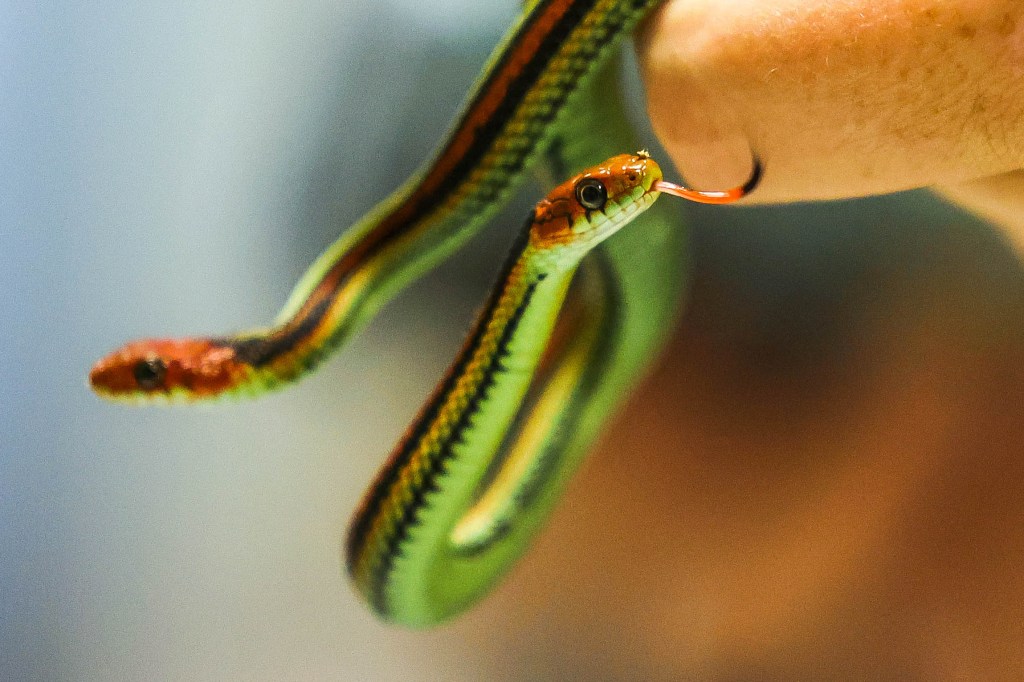
In an unassuming building at the San Francisco Zoo, 115 brilliantly colored baby snakes are being fattened up on a diet of worms. These are endangered San Francisco garter snakes and during a visit in early December, they were small enough to curl up in a ball in the palm of your hand. Each has a red-orange head, a turquoise belly, and vivid red and blue-yellow stripes.
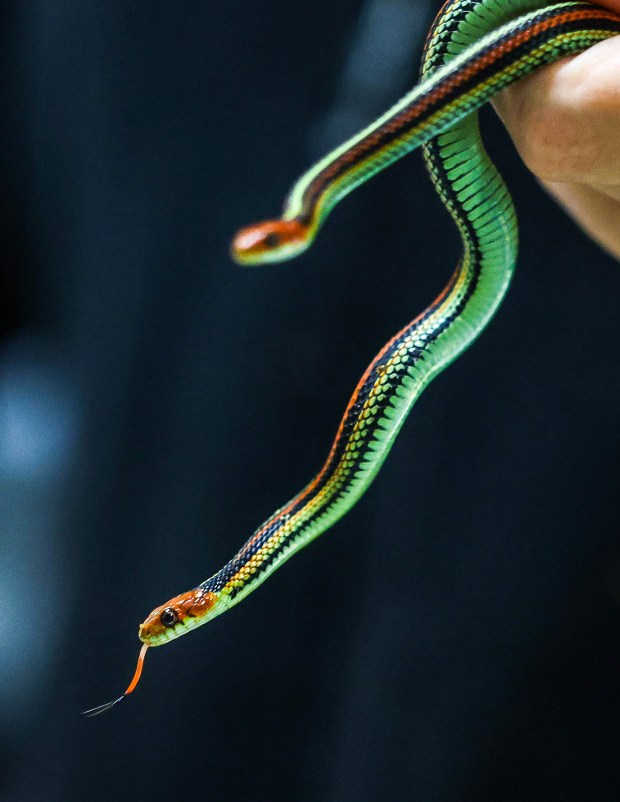 Jamie McNellis, a Conservation Specialist at the San Francisco Zoo, holds four-month-old garter snakes kept in enclosures at the San Francisco Zoo in San Francisco, Calif., on Thursday, Dec. 4, 2025. (Ray Chavez/Bay Area News Group)
“They are considered by many people to be the most beautiful snake in the world,” said Jamie McNellis, a conservation specialist and lead snake care expert at the zoo.
Listed as endangered since 1967, San Francisco garter snakes are found only on the Peninsula and in northern Santa Cruz County. They have been in trouble for decades, threatened by urban development, which has fragmented their remaining habitat. But 2026 could mark a turnaround, as the zoo-born snakes are released into the wild as part of a “head-start” program run by multiple federal and local agencies.
Only a few thousand San Francisco garter snakes are estimated to remain in the wild.
“It is subject to a lot of habitat fragmentation and a lot of conversion of its habitat,” said Jonathan Rose, a biologist with the U.S. Geological Survey’s Western Ecological Research Center in Dixon, of the species.
One surprising stronghold is a 180-acre property just west of Highway 101 which is owned by San Francisco International Airport (SFO) and is home to an estimated 1,300 of the snakes.
“We have probably the largest population of the San Francisco garter snake,” said Audrey Park, the airport’s environmental affairs manager.
SFO carefully monitors and protects the wetland habitats on its property, conducting a population survey of the San Francisco garter snake every five years, Park said. SFO also recently installed automated cameras to monitor the health of the snakes on its site.
Away from this airport stronghold, populations are so small and habitats so eroded that the snakes would be in a downward spiral of inbreeding and population decline if left to their own devices.
“We have genetic and demographic evidence that they’re not doing so well and that they probably require conservation intervention to continue to survive,” said Rose.
One of those smaller populations depends on a small patch of wetland wedged between the Sharp Point Golf Course and the headland at Mori Point in Pacifica. “We’re undergoing both habitat restoration as well as extra efforts to bring in snakes from other places, to increase the genetic diversity,” said Darren Fong, an aquatic ecologist with the National Park Service (NPS), who is leading the effort to improve conditions for the snake in Pacifica.
For the head-start program, the U.S. Geological Survey team searched for snakes in their known habitats, using a portable ultrasound device to identify pregnant females, which were sent to the San Francisco Zoo. San Francisco garter snakes are ovoviviparous, meaning that fertilized eggs develop inside the mother until they hatch. The mother snakes were released after giving birth, but the zoo kept the babies.
Fattening them up on worms will get the young snakes to the point where they can successfully hunt their natural prey — the threatened California red-legged frog — and will be less vulnerable to becoming a snack for predators, including herons, hawks, and raccoons.
“We’re trying to get them to a size where they have more options when it comes to eating, but also they are less likely to get eaten themselves,” McNellis said.
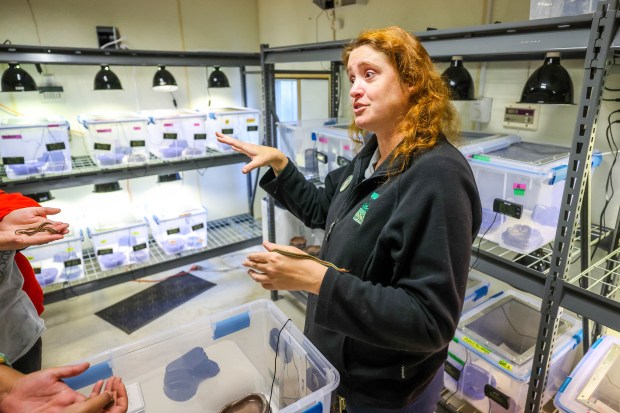 Jamie McNellis, a Conservation Specialist at the San Francisco Zoo, shows garter snakes kept in enclosures at the San Francisco Zoo in San Francisco, Calif., on Thursday, Dec. 4, 2025. (Ray Chavez/Bay Area News Group)
Those destined for Pacifica will be released into a habitat that has been upgraded for their arrival. The project included creating a new pond for snakes and red-legged frogs to thrive, and removing invasive Monterey Cypress and Monterey Pine trees.
“If we didn’t do any type of tree removal, those scrub and grassland areas would be converted into forested habitats,” said Fong. “For sun-loving reptiles like snakes, converting open grasslands and scrub to forested habitats is not great.”
In December, a vegetation crew from NPS scattered seeds to help populate the upgraded habitat with native plant species.
One remaining concern is the continuing threat posed by people and their pets. The striking colors that make the San Francisco garter snake a California icon have also made it a target for illegal poaching for the pet trade, said McNellis. SFO can secure its habitat with a security fence, but other habitats cannot provide protection.
Outdoor cats are another worry. “We really try to encourage homeowners and pet owners to at least keep their animals indoors as much as possible,” said Fong.

Golden Gate National Recreation Area grassland restoration coordinator Elena Wolff, vegetation manager Eric Wrubel, and apprentice partner Giovanni Sosa, far back, spreads native grass seeds as part of a restoration project for San Francisco garter snakes and the California red-legged frog, both endangered species, at Mori Point in Pacifica, Calif., on Friday, Dec. 12, 2025. The project includes native vegetation and a pond to help create a natural habitat for the species. (Ray Chavez/Bay Area News Group)
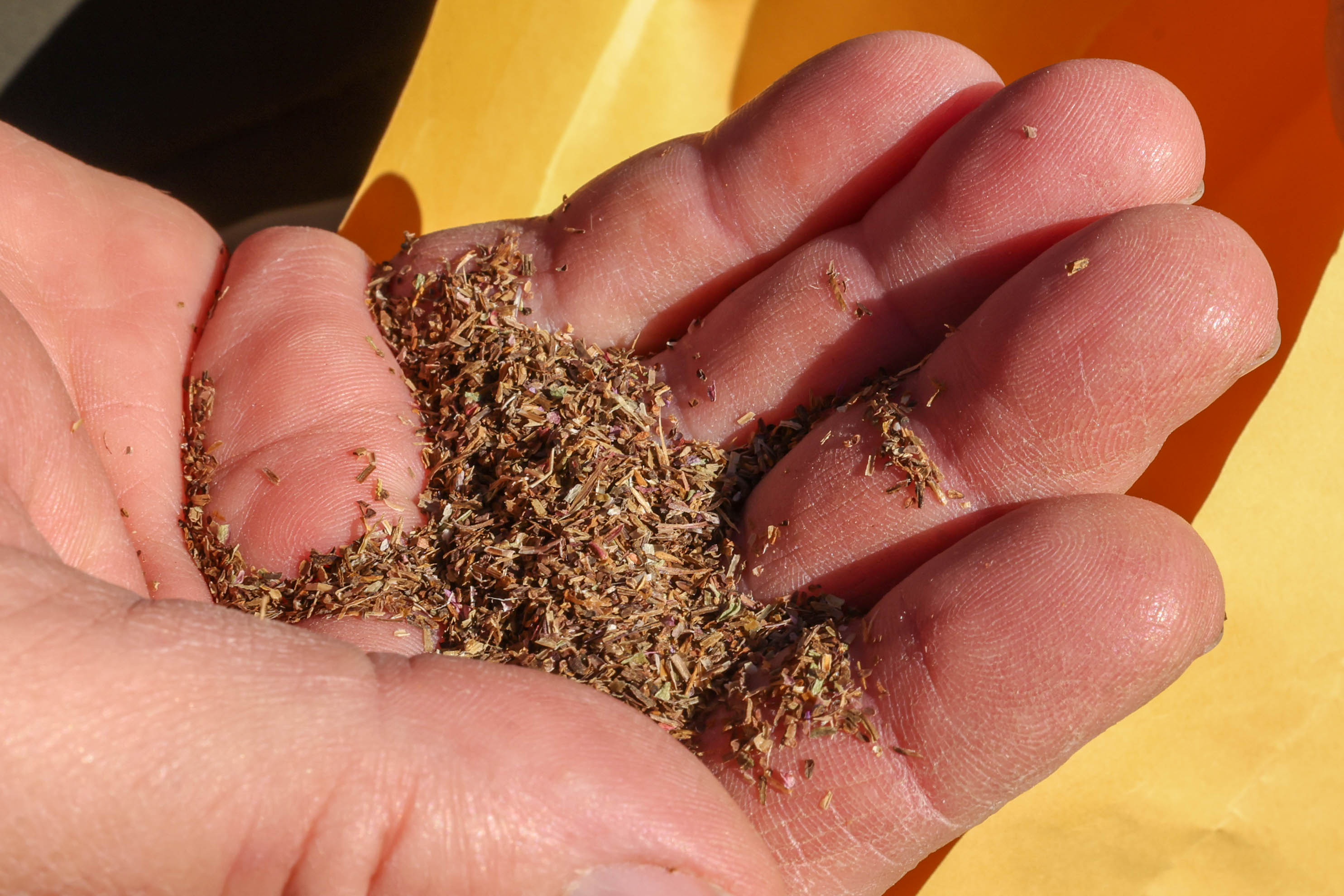
Golden Gate National Recreation Area vegetation manager Eric Wrubel spreads farewell-to-spring seeds over native grass seeds as part of a habitat restoration project for San Francisco garter snakes and California red-legged frogs, both endangered species, at Mori Point in Pacifica, Calif., on Friday, Dec. 12, 2025. The project includes native vegetation and a new pond to help create natural habitat for the species. (Ray Chavez/Bay Area News Group)
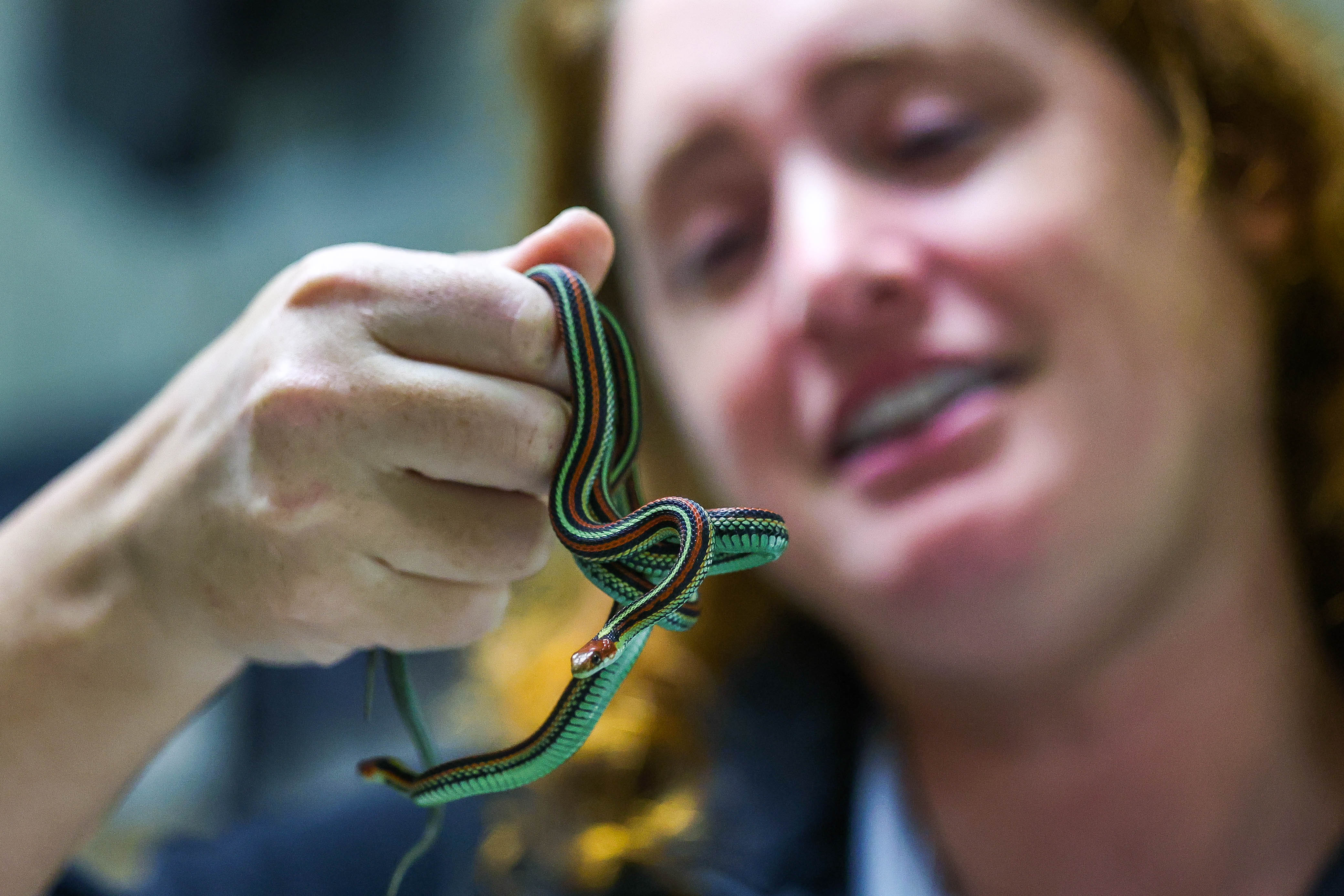
Jamie McNellis, a Conservation Specialist at the San Francisco Zoo, holds four-month-old garter snakes kept in enclosures at the San Francisco Zoo in San Francisco, Calif., on Thursday, Dec. 4, 2025. (Ray Chavez/Bay Area News Group)

Catherine LaPerche, a biological technician for the Golden Gate National Recreation Area, works on a restoration project for San Francisco garter snakes and the California red-legged frog, both endangered species, at Mori Point in Pacifica, Calif., on Friday, Dec. 12, 2025. The project includes native vegetation and a pond to help create a natural habitat for the species. (Ray Chavez/Bay Area News Group)
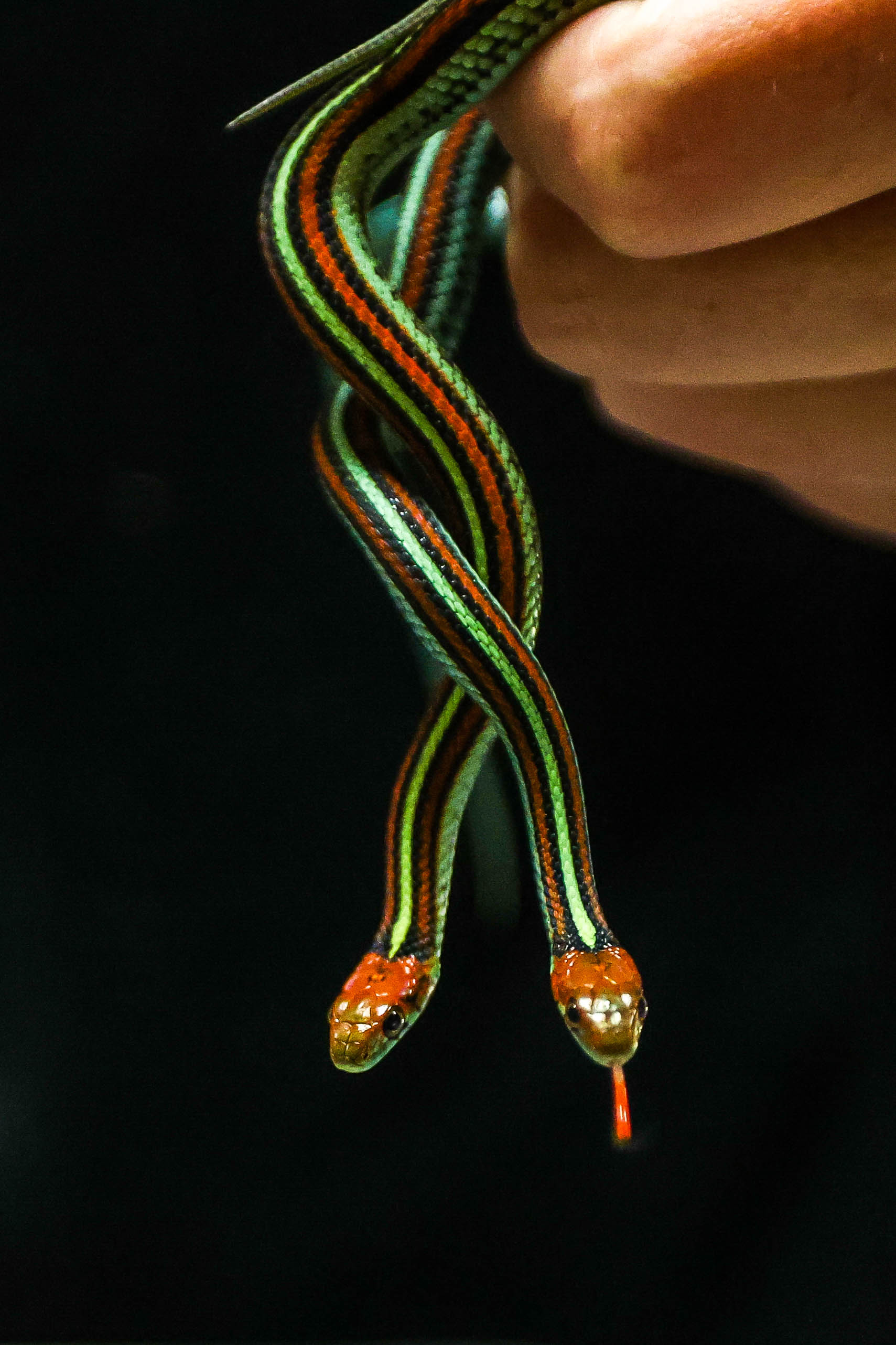
Jamie McNellis, a Conservation Specialist at the San Francisco Zoo, holds four-month-old garter snakes kept in enclosures at the San Francisco Zoo in San Francisco, Calif., on Thursday, Dec. 4, 2025. (Ray Chavez/Bay Area News Group)

Golden Gate National Recreation Area staff and apprentice partners work on a restoration project for San Francisco garter snakes and the California red-legged frog, both endangered species, at Mori Point in Pacifica, Calif., on Friday, Dec. 12, 2025. The project includes native vegetation and a pond to help create natural habitat for the species. (Ray Chavez/Bay Area News Group)
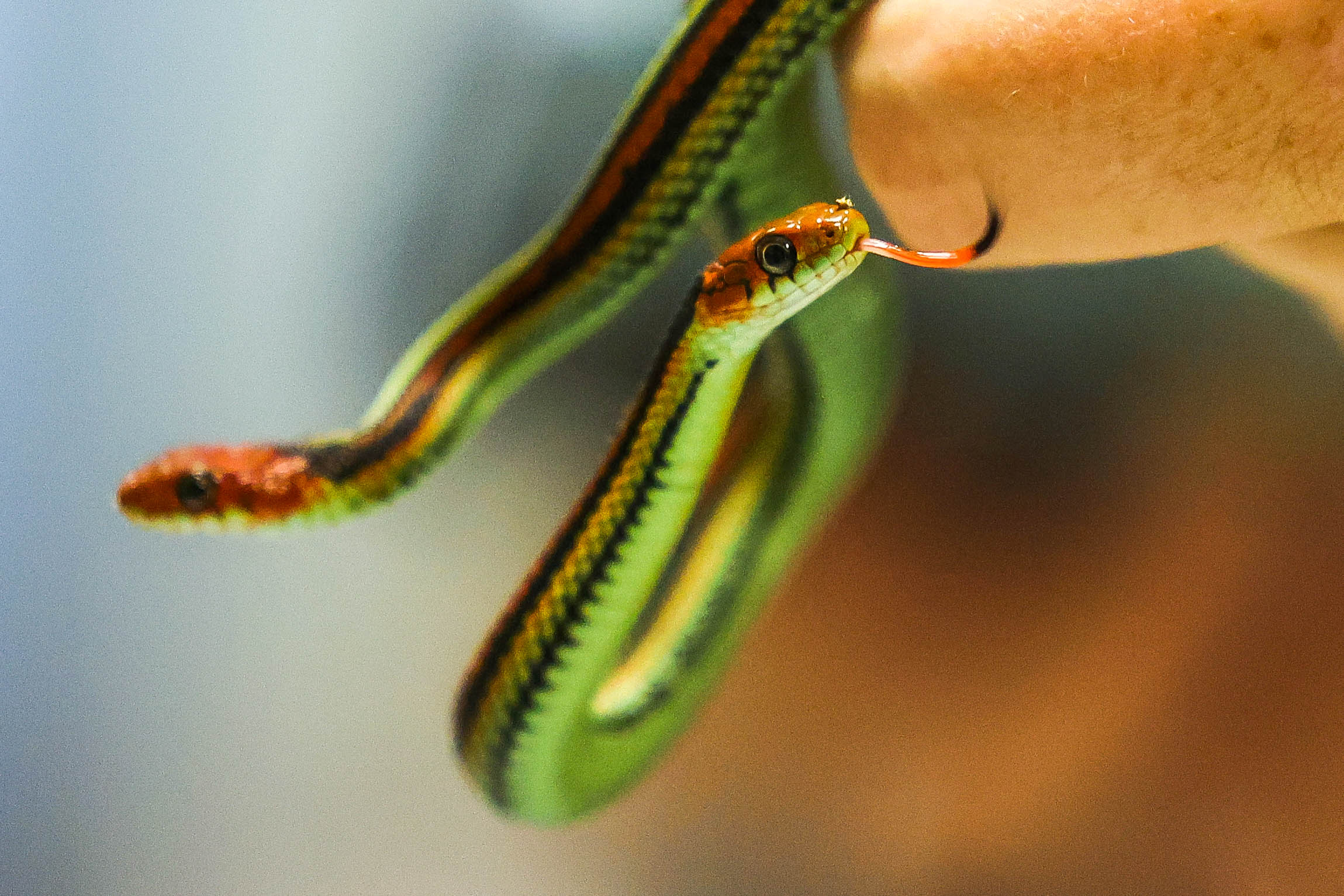
Jamie McNellis, a Conservation Specialist at the San Francisco Zoo, holds four-month-old garter snakes kept in enclosures at the San Francisco Zoo in San Francisco, Calif., on Thursday, Dec. 4, 2025. (Ray Chavez/Bay Area News Group)

Golden Gate National Recreation Area staff and apprentice partners work on a restoration project for San Francisco garter snakes and the California red-legged frog, both endangered species, at Mori Point in Pacifica, Calif., on Friday, Dec. 12, 2025. The project includes native vegetation and a pond to help create natural habitat for the species. (Ray Chavez/Bay Area News Group)
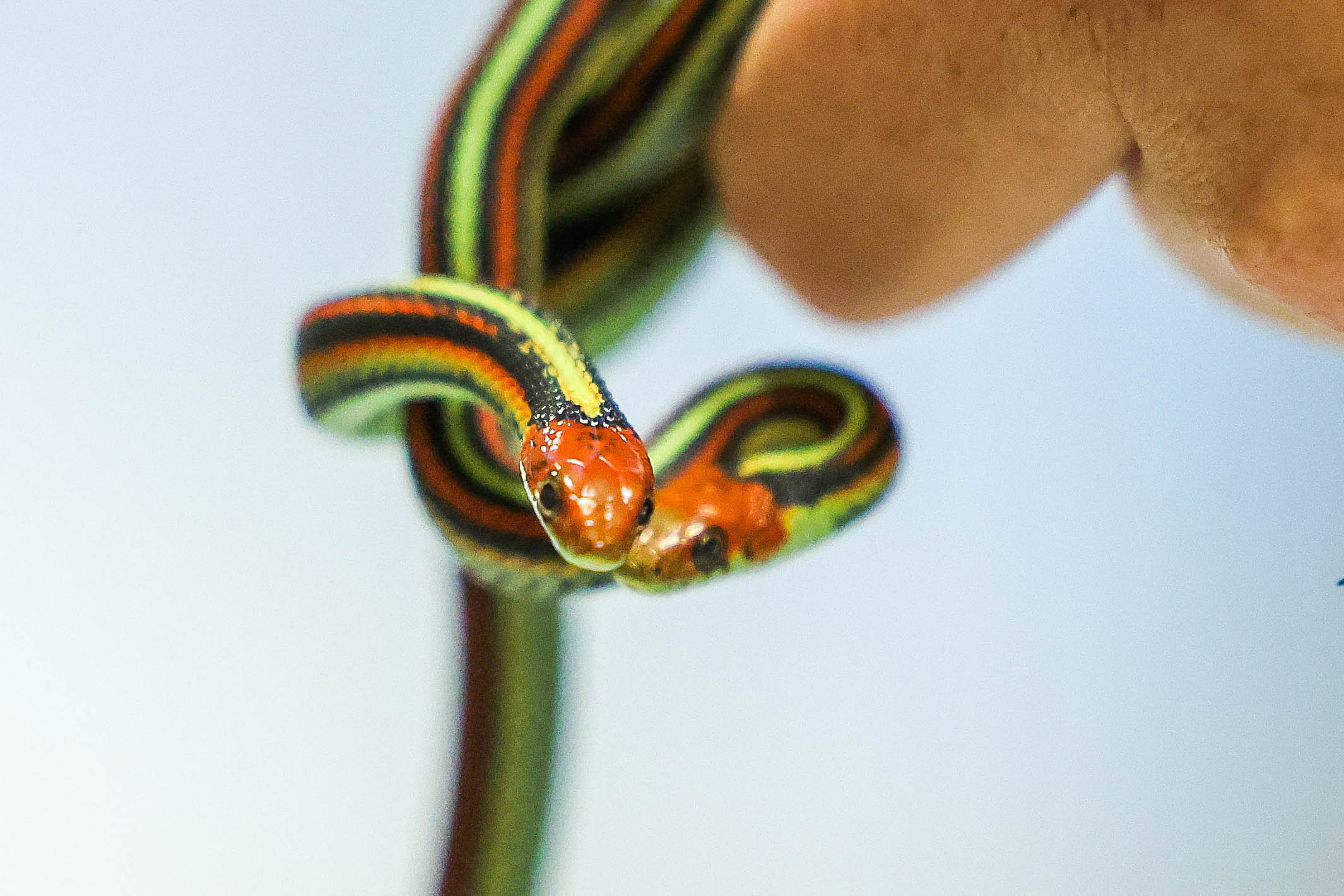
Jamie McNellis, a Conservation Specialist at the San Francisco Zoo, holds four-month-old garter snakes kept in enclosures at the San Francisco Zoo in San Francisco, Calif., on Thursday, Dec. 4, 2025. (Ray Chavez/Bay Area News Group)
Show Caption
1 of 9
Golden Gate National Recreation Area grassland restoration coordinator Elena Wolff, vegetation manager Eric Wrubel, and apprentice partner Giovanni Sosa, far back, spreads native grass seeds as part of a restoration project for San Francisco garter snakes and the California red-legged frog, both endangered species, at Mori Point in Pacifica, Calif., on Friday, Dec. 12, 2025. The project includes native vegetation and a pond to help create a natural habitat for the species. (Ray Chavez/Bay Area News Group)
While 2026 hopefully marks a turning point, the head-start project will have to continue for many years to ensure the garter snakes’ future. “This is a long-term commitment,” said Fong.
This April, biologists will return to the field to capture more pregnant snakes whose babies will be born and reared at the zoo. USGS marked the mothers collected last year with a small brand, allowing them to be identified if captured again. The baby snakes may be released with microchips for easy identification.
McNellis said they aim to capture different pregnant snakes this year to maximize the genetic diversity of the released young snakes. But they will make an exception for one female called “308” — the largest San Francisco garter snake on record at 113 cm — who they hope to bring back to the zoo pregnant again in the future.
“She’s a very healthy, very big, very strong snake,” said McNellis while holding three of 308’s babies slithering in her hands. “These guys are following in her footsteps. They eat really well. They’re super healthy. They’re super active.”
“That mom has good genes,” said McNellis, “She’s amazing, and she and her babies are so fat and successful.”