
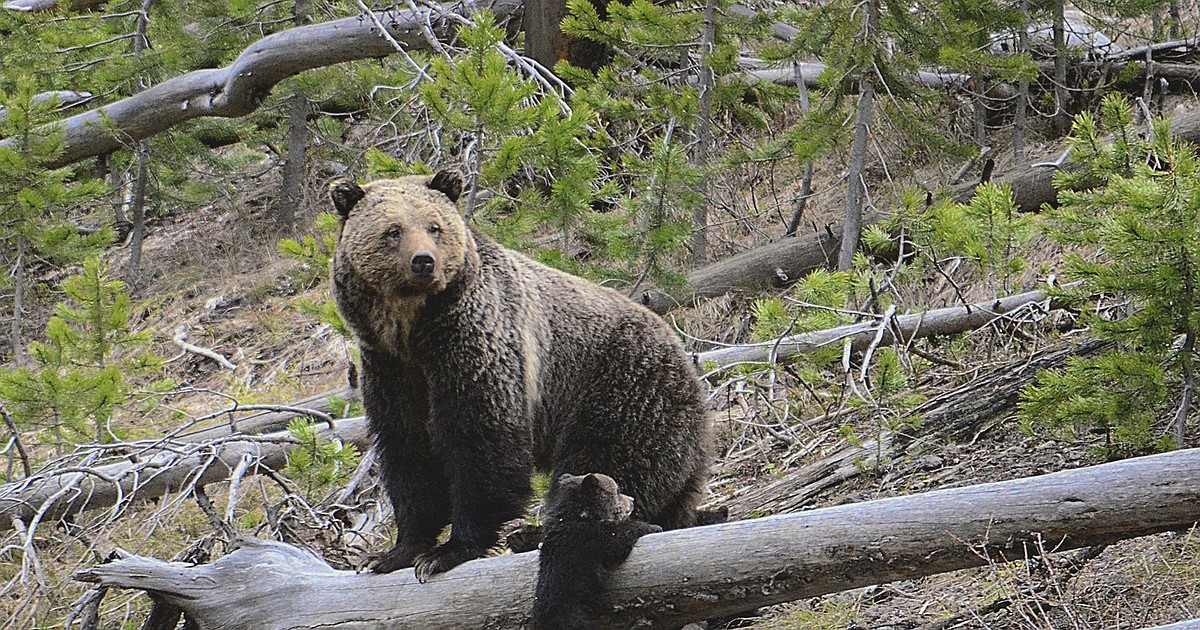
MISSOULA, Mont. — Reward money is increasing for information leading to an arrest and conviction in the illegal killing of a federally protected grizzly bear in North Idaho.
“This was a tragic, completely preventable loss and the consequences to grizzly recovery are enormous,” said Kristine Akland, Northern Rockies director at the Center for Biological Diversity.
The Center for Biological Diversity recently announced it is offering $7,300. The U.S. Fish and Wildlife Service has offered up to $7,000, with an additional $700 provided through Idaho’s Citizens Against Poaching program. The Center’s contribution brings the total reward to $15,000.
The bear, killed in late 2025 north of Perkins Lake near the Montana border, was a female grizzly from the Cabinet-Yaak Ecosystem.
The area is home to the most imperiled grizzly bear population in the lower 48 states. The Cabinet-Yaak population is small, isolated and struggling to recover, making the loss of any female especially devastating, a press release said. Wildlife officials determined that the bear was not posing a threat at the time she was shot.
“In a population this small and fragile, every female is critical to survival,” Arkland said. “Losing even one can tip the balance toward the decline of the entire population. We’re increasing the reward because the person responsible for killing this bear needs to be held accountable.”
Science shows that the death of even one adult female can lead to dire consequences for the Cabinet-Yaak grizzlies, the release said.
“Researchers have concluded that in populations this small, the difference between growth and decline can hinge on the loss of just one or two adult females per year, meaning this single killing could set back recovery efforts for years,” the release said.
Grizzly bears in the Cabinet-Yaak Ecosystem are a threatened species, and as such are protected under the Endangered Species Act. Killing one is a federal crime punishable by substantial fines and prison time.
The Selkirk grizzly bear is a threatened species under the Endangered Species Act.
“Updated Selkirk grizzly bear monitoring reports identify a minimum population of approximately 50 bears, with increasing human-caused mortality averages in recent years,” according to the March 31 decision. “One of the undisputed threats to grizzly bears is roads.”
It states that “Roads probably pose the most imminent threat to grizzly habitat today and that it is “strongly recommended that road management be given the highest priority within all recovery zones.”
The Alliance for Wild Rockies has said the “Selkirk grizzly bear population is in dire straits,” with only 50 bears, while the minimum needed for recovery is 100.
Federal and state wildlife officials are asking anyone with information about this killing to contact the U.S. Fish and Wildlife Service TIPs line at 844-397-8477 or www.fws.gov/wildlife-crime-tips. Tips can also be made to Citizens Against Poaching at 800-632-5999 or citizensagainstpoaching.org. Callers may remain anonymous.