
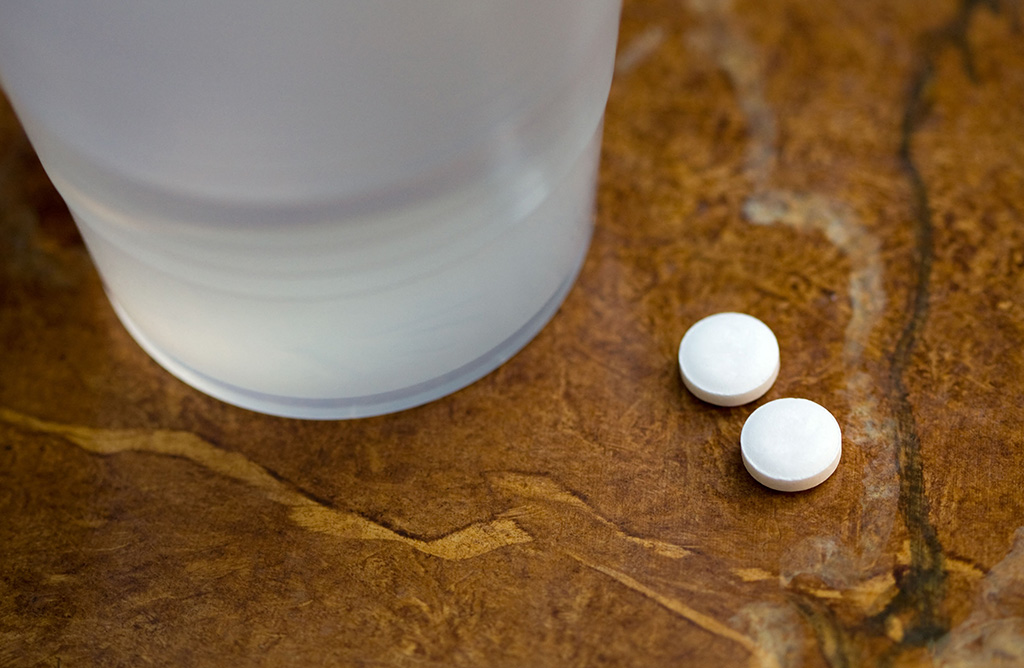
All forms of aspirin have been added to the government’s list of medicines that cannot be exported from the UK or hoarded.
The Department of Health and Social Care (DHSC) and Medicines and Healthcare products Regulatory Agency added the drug to the list on 16 January 2026, while the ban came into effect on 17 January 2026.
Medicines are added to the list when there is evidence or risk of a critical shortage, which could have an adverse impact on UK patients.
An alert published by the NHS Specialist Pharmacy Service in December 2025 reported shortages of aspirin 75mg dispersible tablet, saying that the supplier had confirmed that production had been increased to fulfil orders and supply was “anticipated to return to normal over the next few weeks”.
Commenting on the updated list, James Davies, director of research and insights at Community Pharmacy England (CPE), said: “Medicine shortages, such as the issues currently affecting the supply of aspirin, remain a significant concern for both patients and community pharmacies.
“Our 2025 medicines supply report found that one in four pharmacy teams spend more than two hours each day sourcing alternatives for their patients, diverting attention from other essential tasks and increasing workload pressures.
“[Owing to] sterling work by community pharmacies, the costs of medicines in the UK have been driven down over time. Whilst positive for the NHS, this has in turn driven fragility in the medicines market, making it more brittle and less resilient,” he added.
“As shortages continue to take a toll on patients and pharmacy teams across the country, government and the NHS must intervene now to stabilise the medicines market, tackle supply chain disruptions and improve access to essential medications for patients.
“CPE continues to pressure DHSC [Department of Health and Social Care] to deliver price concessions for pharmacies when the system is disrupted, and we urge pharmacy owners to continue reporting price issues to us, so we can take action on their behalf.”
A spokesperson for the DHSC commented: “This government inherited ongoing global supply problems, but we have robust measures in place to mitigate disruption for patients.
“We are strengthening our domestic resilience further by investing up to £520m to manufacture more medicines, diagnostics and medical technologies in the UK. We are also working closely with the NHS, regulators and other key partners to cut red tape to grow our life sciences sector and with international partners to bolster supply chains.”
In December 2025, health minister Zubir Ahmed told the House of Lords Public Services Committee’s inquiry into medicines security that UK medicines supply had improved over the past year, telling peers that levels of disruption seen in 2024 have “come down quite significantly”.