
Some things in life can’t be planned around a snowstorm — even when it hits on a Sunday.
People need medical care at hospitals and nursing homes. Cows need to be milked. Grocery shelves need to be stocked. Power needs to flow to homes.
Most of these things are part of the background of daily life… until they’re not. Those are the times when today’s big weather story becomes your emergency.
So how do the 24-7 services stay up and running as the rest of us slow down?
It seems to be equal parts planning, experience and fortitude.
Bunking at the office
At Penn State Health, teams have been planning for days “to ensure we can continue caring for patients throughout the event,” said Chief Operating Officer Kyle Snyder.
That includes making sure the hospitals are fully stocked with the medical supplies and drugs needed to continue all health care operations.
As for staffing?
Most hospitals have protocols in place in which shifts can be extended, at overtime pay rates, in the event of weather emergencies.
There might be free housing, too, as unused rooms and overflow wings can be tapped for employees who, once at work, can’t get out.
“We are making accommodations to ensure team members have safe places to stay if weather conditions prevent them from leaving after their shifts,” Snyder said.
All hospitals systems reached for this report expressed confidence they’ll be fully staffed through the storm.
In Harrisburg, Fire Chief Brian Enterline, who coordinates police fire and EMS planning during storm emergencies, said the city purposely “over-staffs” for fire, police and EMS once the storm hits.
That’s because, Enterline explained, it generally takes more people and more time to do things on a snowy day.
“It’s all hands on deck, and that’s the way we address it,” Enterline said.
That way, the chief noted, the fire department can run trucks outfitted with plows to help EMTs get to calls, and once there, maybe help carry a patient’s gurney across the snow.
Fire crews also will be dispatched with ambulances in Cumberland County through the height of the storm, officials there noted Friday.
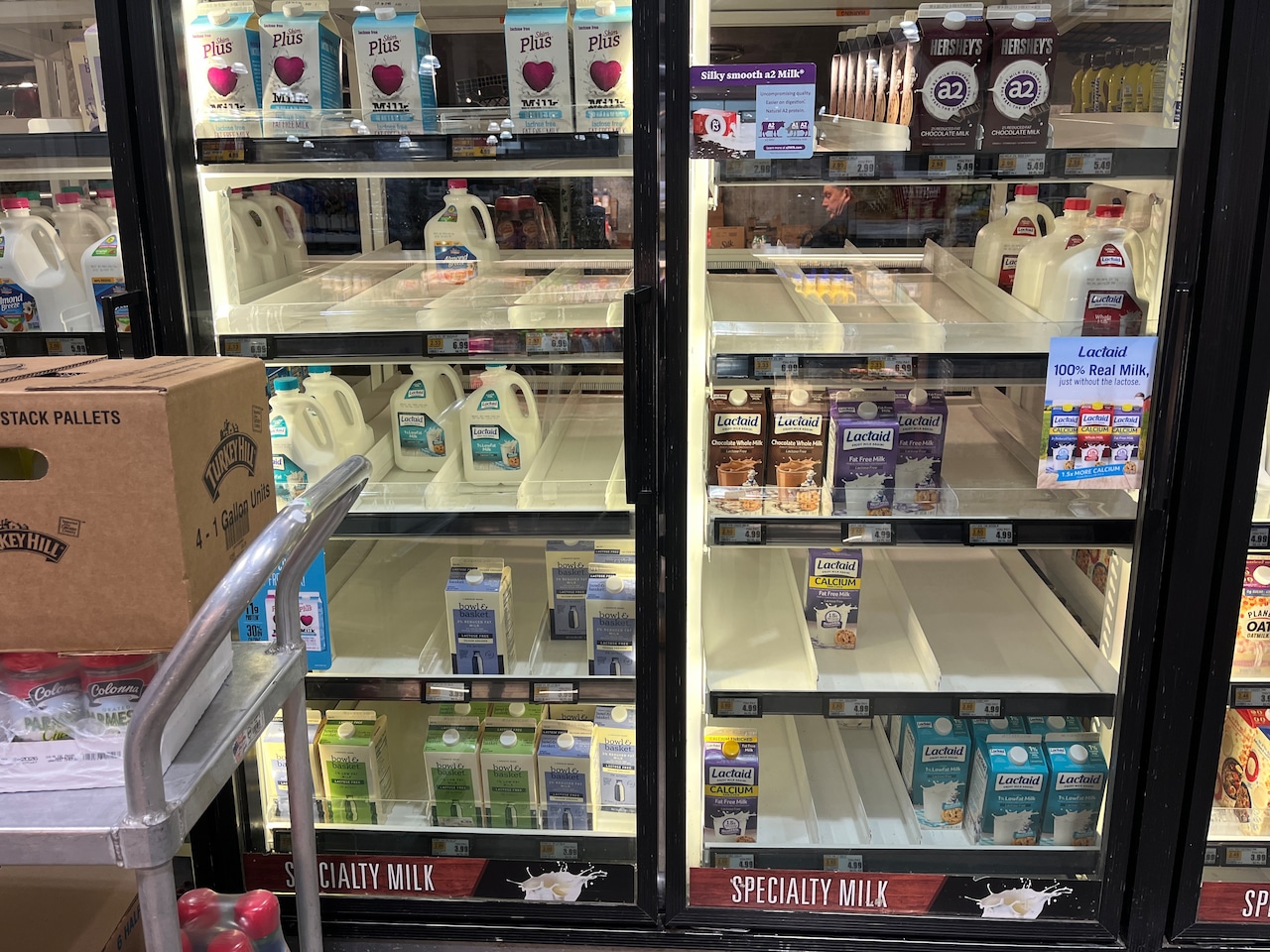 Some shelves are almost empty in the dairy section at ShopRite on Richmond Avenue in Staten Island, N.Y. on Friday, Jan. 23, 2026.(Advance/SILive.com | Jan Somma-Hammel)
In a way, some grocers said, the hardest part of their storm response is already done.
“We’ve taken several steps to be ready including moving up store deliveries, proactively increasing capacity for online orders in advance of the snow, and increasing orders of the most demanded products,” Giant Company Public Relations Manager Ashley Flower told PennLive.
“As you’d expect,” Flower continued, “customers are stocking up on essentials like water, milk, bread, easy meal ingredients, baking supplies and non-perishable goods as well as items like batteries, shovels, and windshield washer fluid.”
Grocers hope to stay open through the storm, though several told PennLive they will close individual stores for the safety of employees and customers if conditions get too bad.
If you’ve got to make an emergency supply run, best to call ahead or check online to make sure your favorite store is open.
No snow days
Dairy farms, on the other hand, are always open because milking cows don’t take snow days.
That means the drivers that pick up fresh milk and haul it to processors are often forced to work through snowstorms, too.
It makes Brad Houldsworth, manager of Newville-based Barrick & Stewart Milk Hauling, anxious.
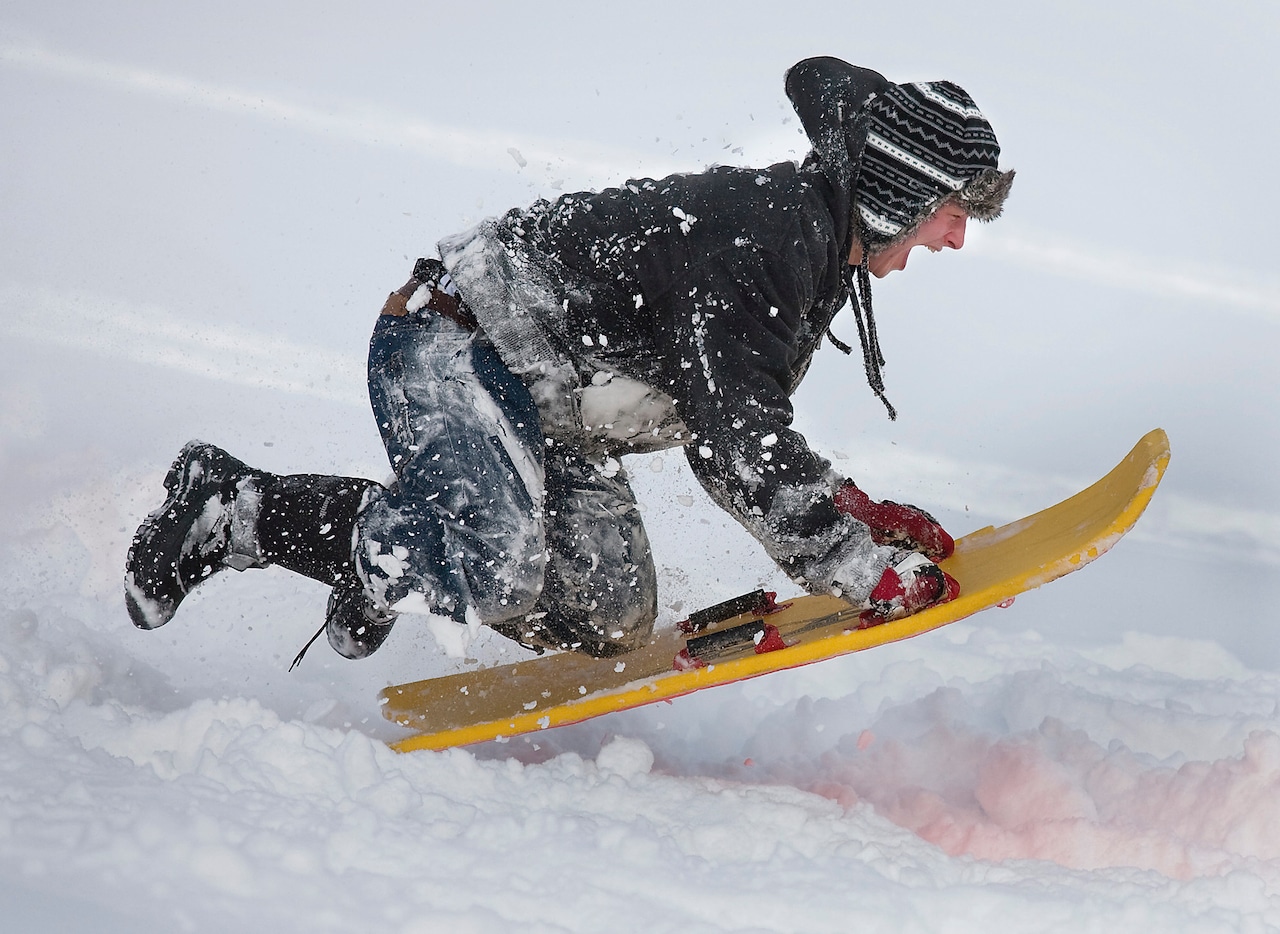 A teen sleds down a hill at Creekview Park in Hampden Twp. (Joe Hermitt, PennLive.com)THE PATRIOT-NEWS
The company serves farms from Juniata County down to the West Virginia line on Interstate 81, with dairy drops in Pennsylvania, Maryland and West Virginia, too.
Houldsworth said his drivers will be asked to work longer hours and move as much milk as they can Saturday.
The hope, then, is they can do as little as possible on Sunday, when already-planned truck restrictions on the interstates will force his drivers onto secondary roads that, by definition, aren’t going to be cleared as well.
“It’s a game of numbers,” Houldsworth said, noting the farms are required to get their milk to processing plants within 72 hours of the milking.
And with herds getting milked every other day, some need to get their loads picked up faster than that.
Houldsworth said his firm has never had to dump milk yet, but the top priority is getting all his drivers back home safely.
As for the roads?
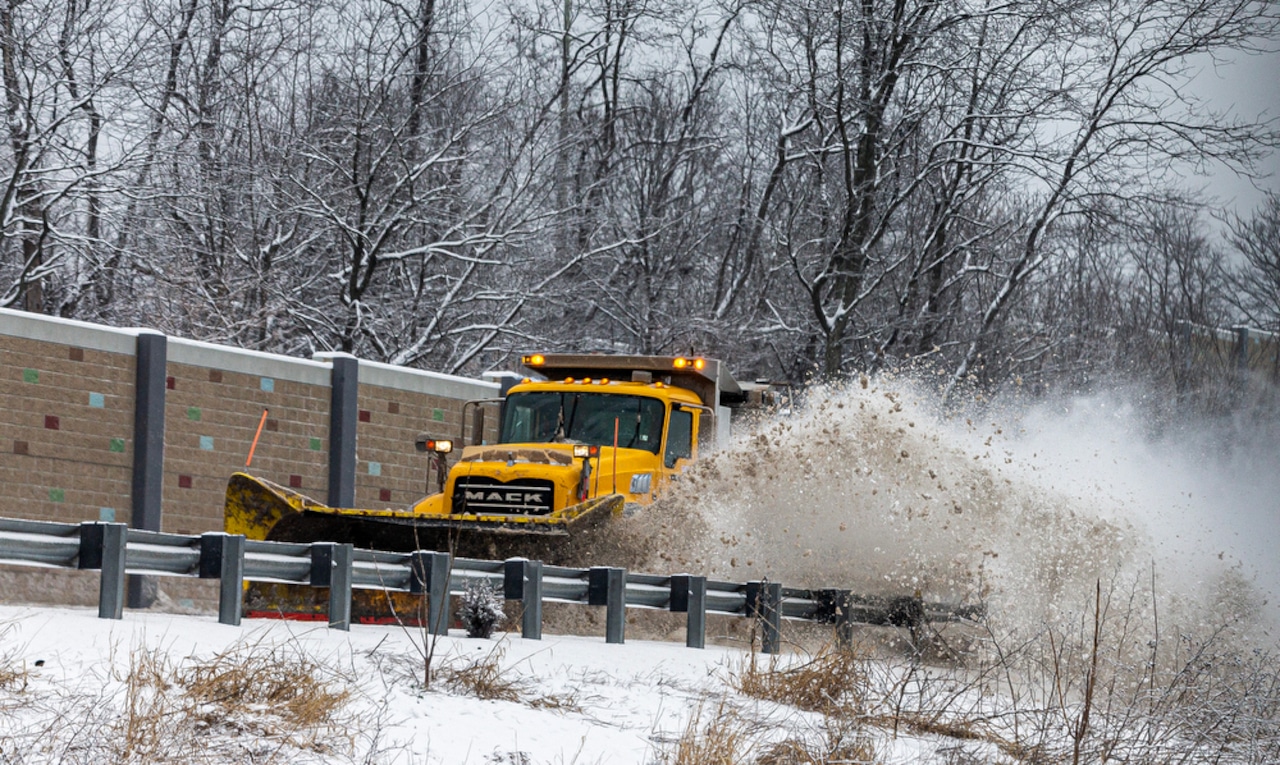
PennDOT will rely on its cadre of seasonal winter employees to help with plowing and road treatments, or in the maintenance garages keeping the fleet on the street.
Spokeswoman Fritzi Schreffler said close to 100 of these workers — many of them PennDOT retirees —have signed up for storm duty across south central Pennsylvania, and this is their call to duty.
Shifts get extended to 12 hours during storms, and the department has the latitude to add an extra two hours to that.
“We try not to do that,” Schreffler said, noting it’s taxing stuff to run a plow all the while watching for other motorists and potential hazards.
One common theme running through many of these jobs?
A whatever-it-takes sense of pride in getting the work done at a time when so many others can’t.
Bob Shively, director of public safety in Cumberland County, recalls one blizzard in the 1990s where “probably a dozen of us stayed (in the county’s emergency dispatch center) for like 40 hours straight…
“We can’t shut down.”