
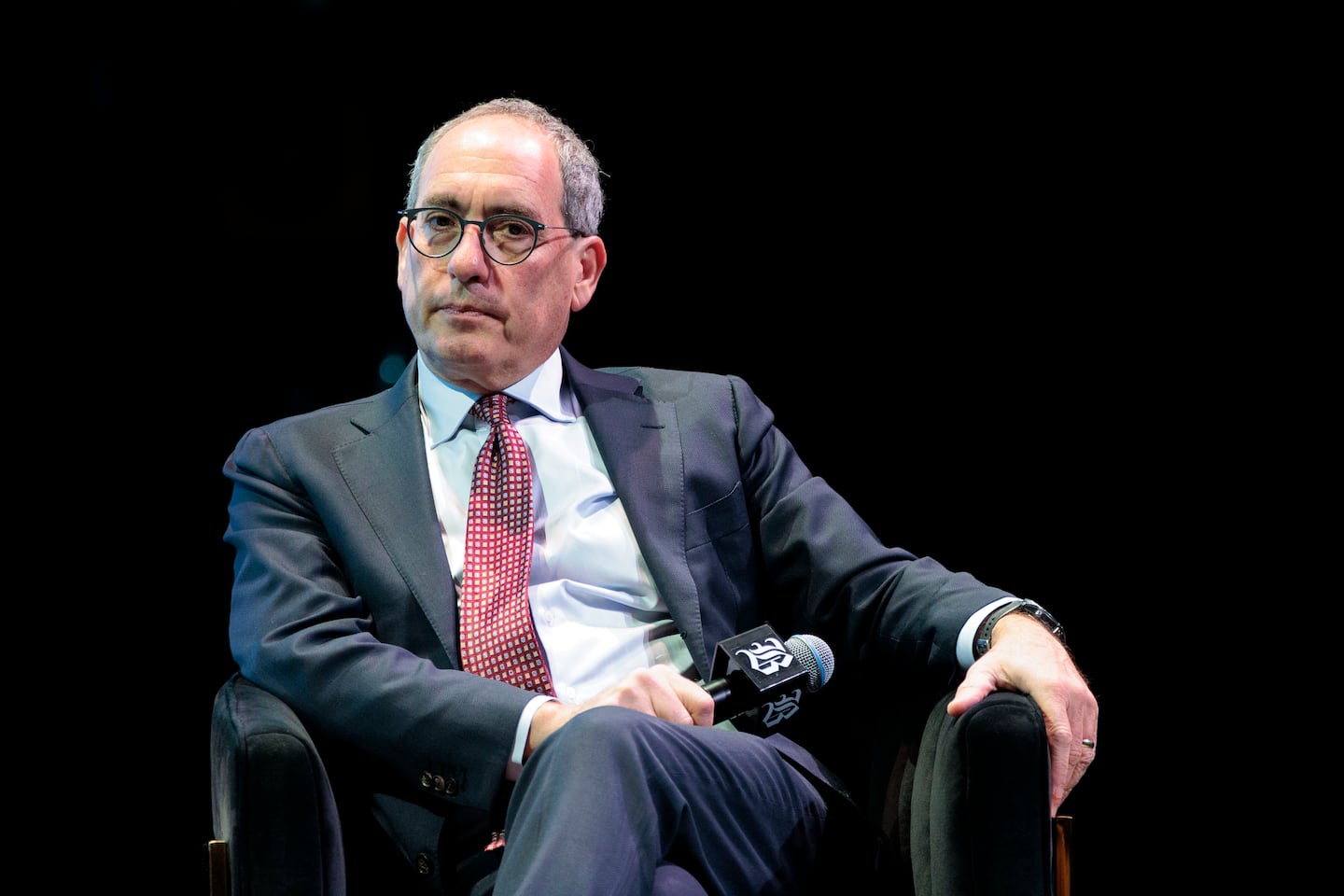
Yet Beth Israel Lahey Health hasn’t just sat back and passively gained ground. The system and its leader, Dr. Kevin Tabb, had a strategic vision for the long haul that, despite challenges, seems to be finally paying off: the system ran a nearly $100 million operating gain last year, its first one in the black in four years, at a time when financial stress has basically become the new normal for many in health care.
No doubt, it is a big health care system in its own right: 42,000 employees, 14 hospital campuses and other locations. But just as important is the increasing focus of where that medical care takes place — out in the communities, where patients don’t have to navigate sprawling maze-like complexes or fight their way through Boston traffic to get the level of quality care expected of an academic medical center.
Many institutions commit to meeting patients where its most convenient, but in Beth Israel Lahey’s case, it is a major and growing part of its core operation.
Looking back at the last seven years, many give Tabb credit for both that emphasis on community-based care and the creation of a system of integrated hospitals, particularly for being able to follow through on a vision that has endured despite the stresses of the pandemic and several years of financial pain.
“I firmly believe the most important thing that he did over the rough years was stay the course,” David Passafaro, former president of New England Baptist Hospital, which is part of the Beth Israel system, said of Tabb. “That’s what has made where he is today possible.”
The roots of Beth Israel’s success may very well be traced back years, starting with the 2019 mega-merger of the parent company for Beth Israel Deaconess Medical Center, Lahey Health, and a bevy of community hospitals.
Creating a system that size was no easy feat. David Spackman, former general counsel at Lahey Health System, recalled the multiple years, and attempts, it took for the systems to come together. The organizations were different — Beth Israel was a Boston academic medical center with top-notch research; Lahey Hospital & Medical Center in Burlington was an institution primarily focused on clinical care. There were questions, too, of which executive would take the helm.
Ultimately, the sides agreed on Tabb, a former leader at Stanford Hospital & Clinics in California who had completed his residency in internal medicine in Israel. By some standards, Tabb had a slightly unconventional background. A Berkeley, Calif., native, Tabb had emigrated to Israel as a teen and served in the Israel Defense Forces. In other ways, he had been groomed for the task, having served as the chief executive of Beth Israel Deaconess Medical Center since 2011, where he oversaw continued growth of that hospital into a regional system.
As the newly created Beth Israel Lahey Health system sought to bring together its disparate parts, former and current executives said, Tabb put forth a guiding principle for growth: that 70 percent of the medical care provided by the system would take place in community hospitals and settings, rather than at Beth Israel in Boston or Lahey Hospital in Burlington.
That focus made sense.
About half the BI system’s hospital patient revenue comes from Medicare, the government insurer for senior citizens. For some patients and in certain services, such as orthopedics, Medicare reimbursements are capped. Shifting care from the most expensive setting, like the downtown hospital, to community clinics and doctors’ offices helps to lower operating costs, allowing the company to keep more of its reimbursements.
Today, 64 percent of care Beth Israel Lahey Health delivers to its 1.7 million patients annually is outside of its Boston academic medical center and Burlington hospital. But Tabb isn’t done. He recently opened an urgent care center in Haverhill and a large clinic in Middleborough. Another clinic in Quincy is slated to open in 2027.
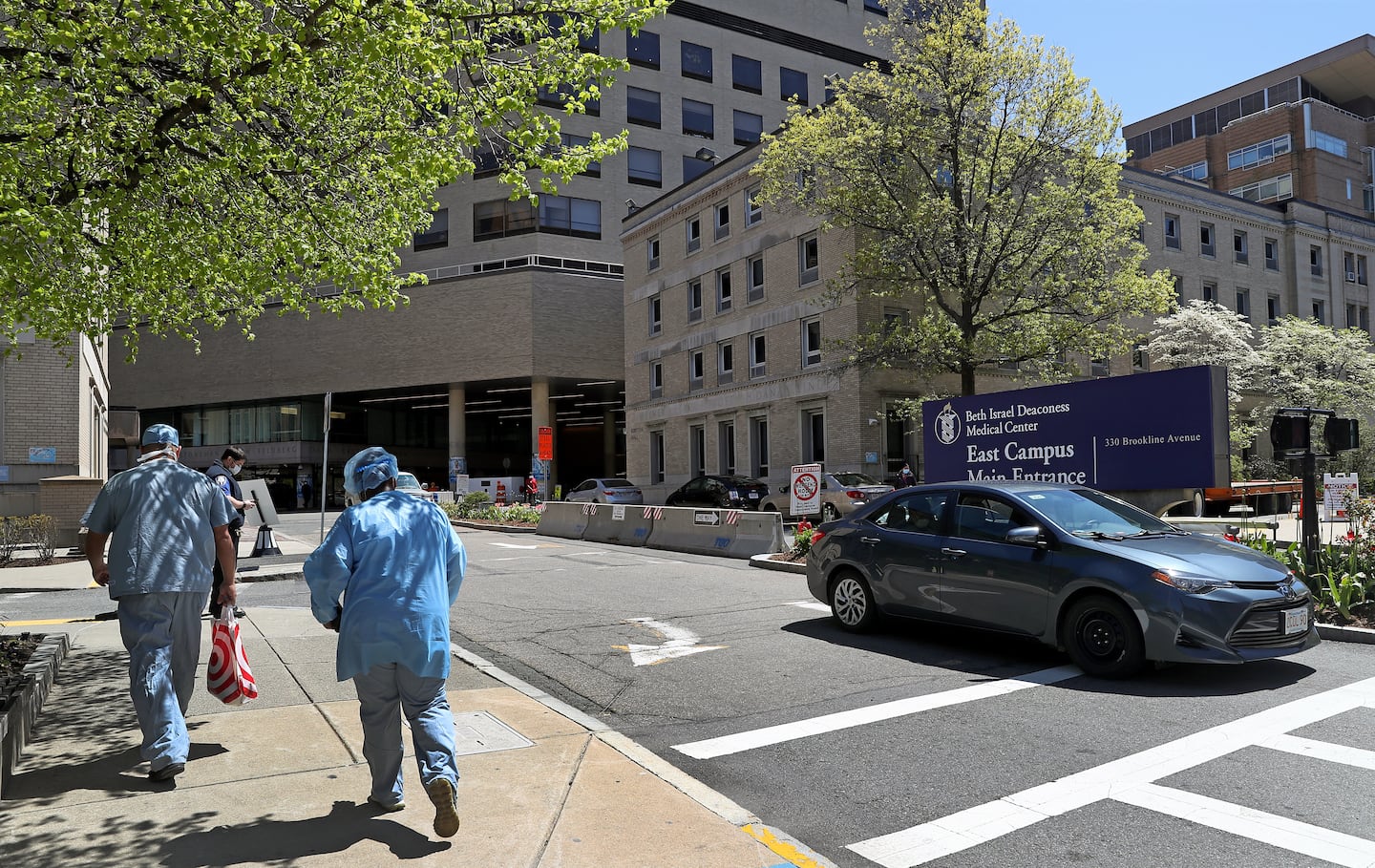 Today, 64 percent of the care Beth Israel Lahey Health delivers happens outside of Beth Israel Deaconess Medical Center, its Harvard-affiliated teaching hospital in Boston. David L. Ryan/Globe Staff
Tabb said it is unique to so aggressively push care out of the hospital.
“That is radically different than most [academic medical centers] in the country and certainly in this region,” Tabb said.
That strategy seems to be paying off. In the last fiscal year, the number of inpatient stays at its hospitals was lower than the year before, while the number of outpatient visits was up by 11 percent.
Moving care to community sites has been coupled with a strategy to invest in primary care, a focal point for both Lahey and BI even before their merger, Spackman said.
In the years since the merger, Tabb has doubled down on that strategy, with a 30 percent growth of new primary care providers in the last four fiscal years. In the last year alone, the system added 60 primary care clinicians.
Twenty came from Mass General Brigham, but Tabb said they weren’t poached — they had approached BILH looking to switch, he said.
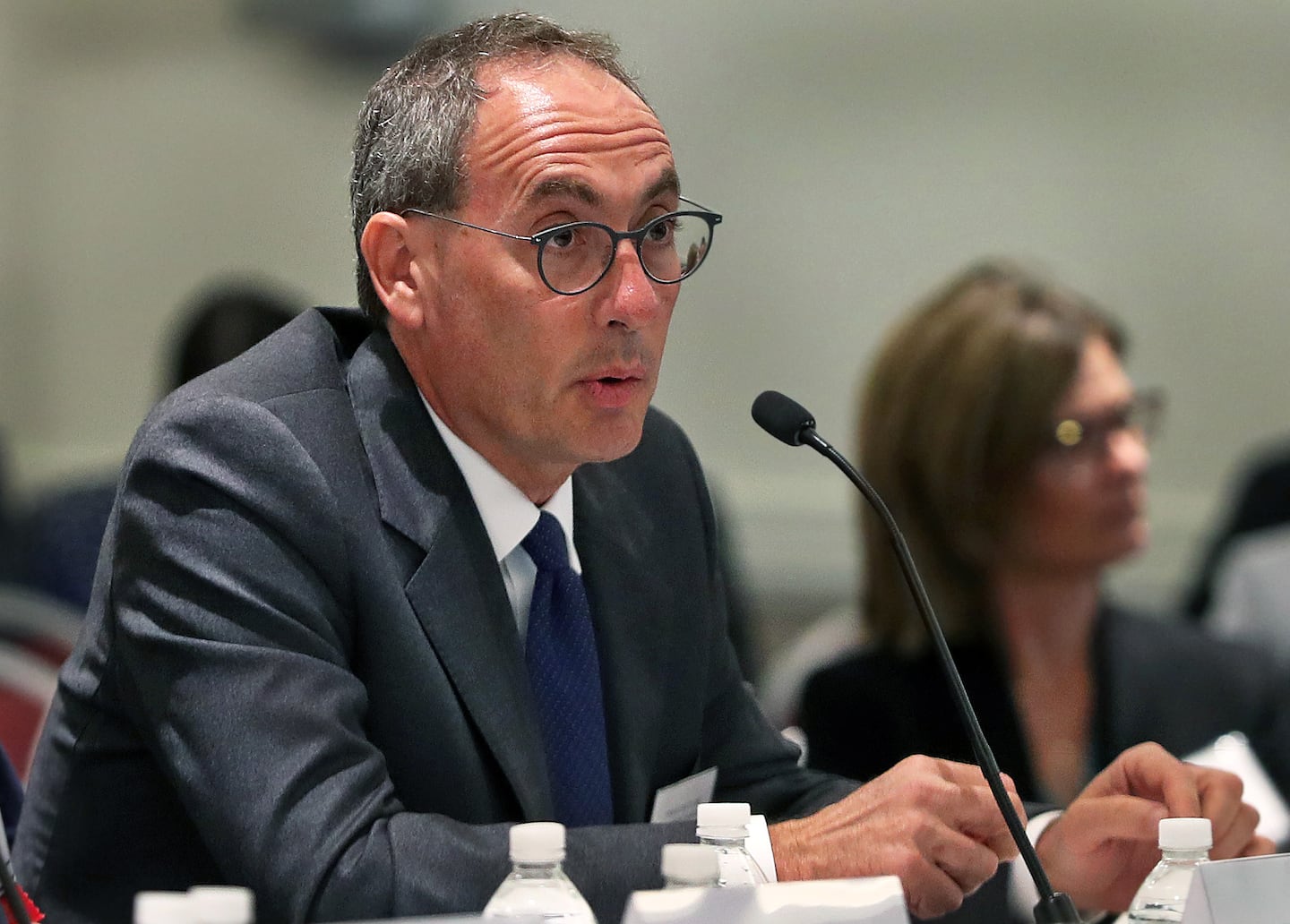 Dr. Kevin Tabb, president and CEO of Beth Israel Lahey Health, spoke before the state Health Policy Commission in 2019.Jim Davis/Globe Staff
Primary care is often seen as unprofitable for health systems, given chronically low insurer reimbursements. But more primary care patients means more referrals for X-rays, knee replacements, and other care.
For Tabb, investments in primary care are key to the organization’s long-term success.
“I don’t think you can have a successful health system in general, academic or not, without a front door,” Tabb said. “I don’t think you can take care of the complex patients without taking care of the patients before they are complex. . . . It’s a short-sighted view to say we can’t afford to invest in primary care. I take the opposite view. We can’t afford not to.”
Wayne Altman, a professor and chair of family medicine at Tufts University and a family physician in Arlington, said the growth in primary care within the system is noteworthy, particularly as there is a shortage of primary care clinicians and demand marketwide.
“Their 30 percent growth in [primary care] is notable, impressive, and I think it speaks to the fact that they have a pretty functional primary care team and network as part of their health system,” he said.
Those strategies are helping drive the growth of the system. In all, patient revenue grew 7 percent to $7.6 billion in the year ending in September, compared to the prior year.
Seven years into the merger, Tabb also noted that the organization is behaving more like a single, integrated operating machine, especially on the sort of behind-the-scenes blocking and tackling that patients don’t see. They’re saving money by better managing supplies and equipment, for example, and thinking strategically about services and staff.
In the last year, the organization consolidated some services — such as rolling out a virtual cardiac rehab program where patients follow instructions from their homes. Tabb noted BILH laid off approximately 600 people in late 2024 — a move he described as painful but necessary.
In all, the system reported a $93 million operating gain on $9.7 billion in operating revenue in the year ending in September. That compares to steep losses in each of the previous three years, as high as $249 million in fiscal 2024.
Outside experts say it’s hard to tell what exactly is driving the turnaround. Alan Sager, a professor of health policy and management at Boston University School of Public Health, said the higher revenues could be the product of a growth in outpatient care, or the system could be seeing higher payment for services, or is billing more aggressively.
“When hospitals are in the black, they take credit for their ability to boost revenue and cut costs,” Sager said. “When they lose money, they blame inadequate payments or cost increases that were outside their control.”
But beyond the one-year turnaround, many praised Tabb for the system’s accomplishments to date.
Tabb was a central figure in signing a deal with Dana-Farber, with plans to build a new cancer hospital on the Beth Israel Deaconess Medical Center campus. In so doing, Dana-Farber broke its longstanding partnership with Brigham and Women’s. While there were many reasons for Dana-Farber’s split from the MGB-owned hospital, one factor was MGB had turned down Dana-Farber’s requests to build a separate cancer hospital.
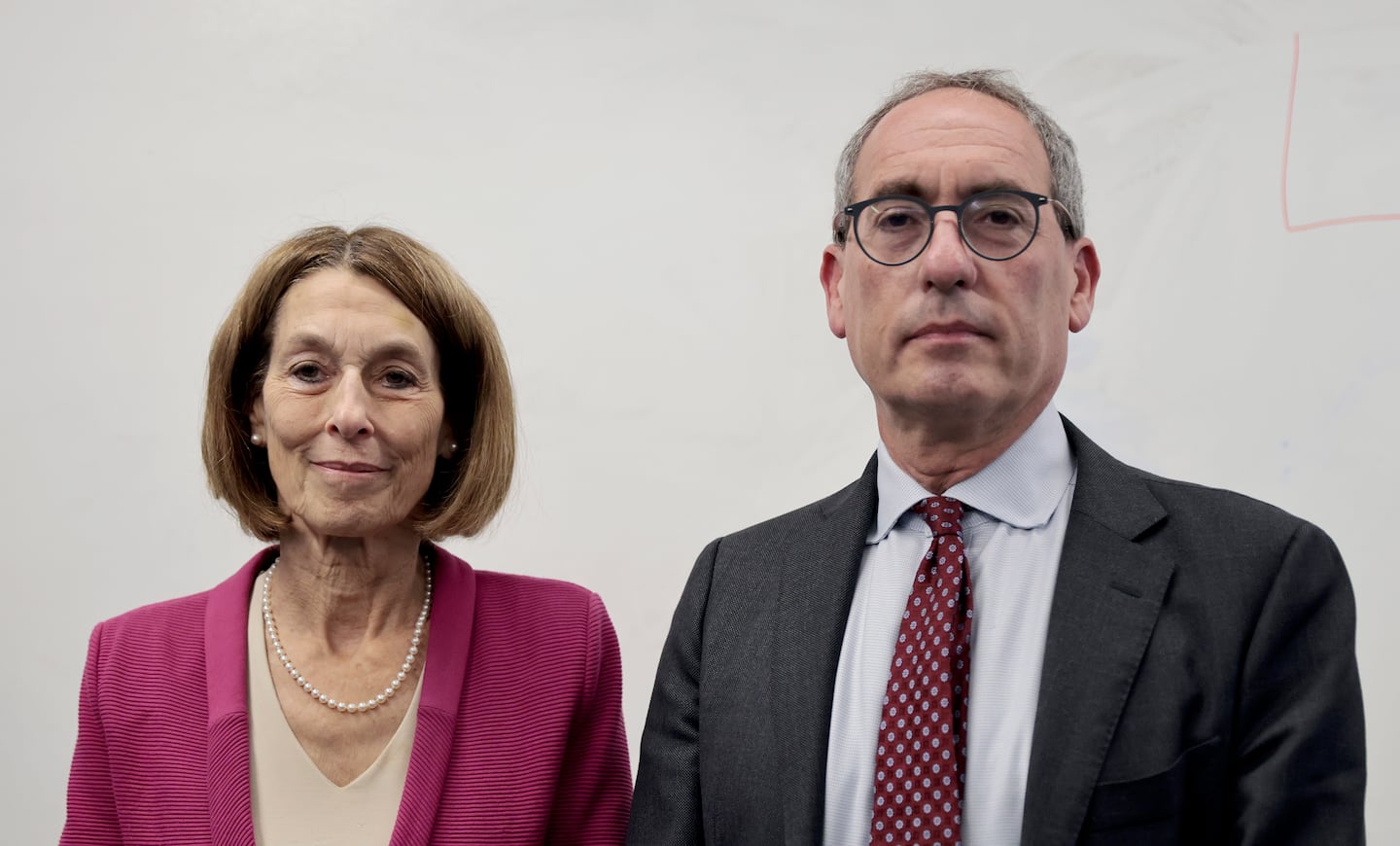 Dr. Laurie Glimcher, then-CEO of Dana-Farber Cancer Institute, and Dr. Kevin Tabb, CEO of Beth Israel Lahey Health, shown here in 2023, shocked the medical world when they announced their plan to open a new freestanding cancer hospital.Pat Greenhouse/Globe Staff
But the foundations of that deal can perhaps be traced back to the Beth Israel Lahey Health merger.
“They created a system that could go to Dana-Farber credibly and say, ‘Hey, let’s do something different here,’ ” said John McDonough, a professor of public health practice at the Harvard T.H. Chan School of Public Health. “It would have been a lot more difficult for Beth Israel on its own to be able to pull this off, rather than the larger system they are now.”
The financial impact on BILH has yet to be fully realized, as Dana-Farber hasn’t yet moved its services from MGB.
Yet the halo of the deal is already having an impact. McDonough said it has created a more competitive health care environment. Tabb noted physicians are already being recruited for the endeavor, and cancer services are growing throughout the Beth Israel system in the interim.
Dr. Dan Barouch, director of the Center for Virology and Vaccine Research and a researcher at Beth Israel Deaconess Medical Center, was excited about what the Dana-Farber collaboration would mean for the future, from an greater number of patients coming to BI, to possibly enhanced research opportunities.
“Time will tell, but [the deal] likely will increase the profile of BILH as a health care network, once the collaboration with Dana-Farber is completed,“ Barouch said.
Regardless of the promises, Tabb is cognizant of looming challenges, and the fact that one year does not a turnaround make.
Changes at the federal level will have an impact on everything from Medicaid reimbursements to potentially greater numbers of patients without any insurance. Though the BILH system will soon be out from the shadow of a seven-year price cap — imposed by the state as a condition to its merger — it is harder to talk insurers into paying more, due to runaway rates of health care spending and insurer losses.
“Things will get more difficult, not less, in health care in general,” Tabb said. “I worry about that on the one hand. But I feel very good about the things we have put in place to help us weather the storm, and the culture we’re building. I don’t say that lightly. It’s more important than anything else. If you don’t do that, you begin to fray at the edges.”
Jessica Bartlett can be reached at jessica.bartlett@globe.com. Follow her @ByJessBartlett.