
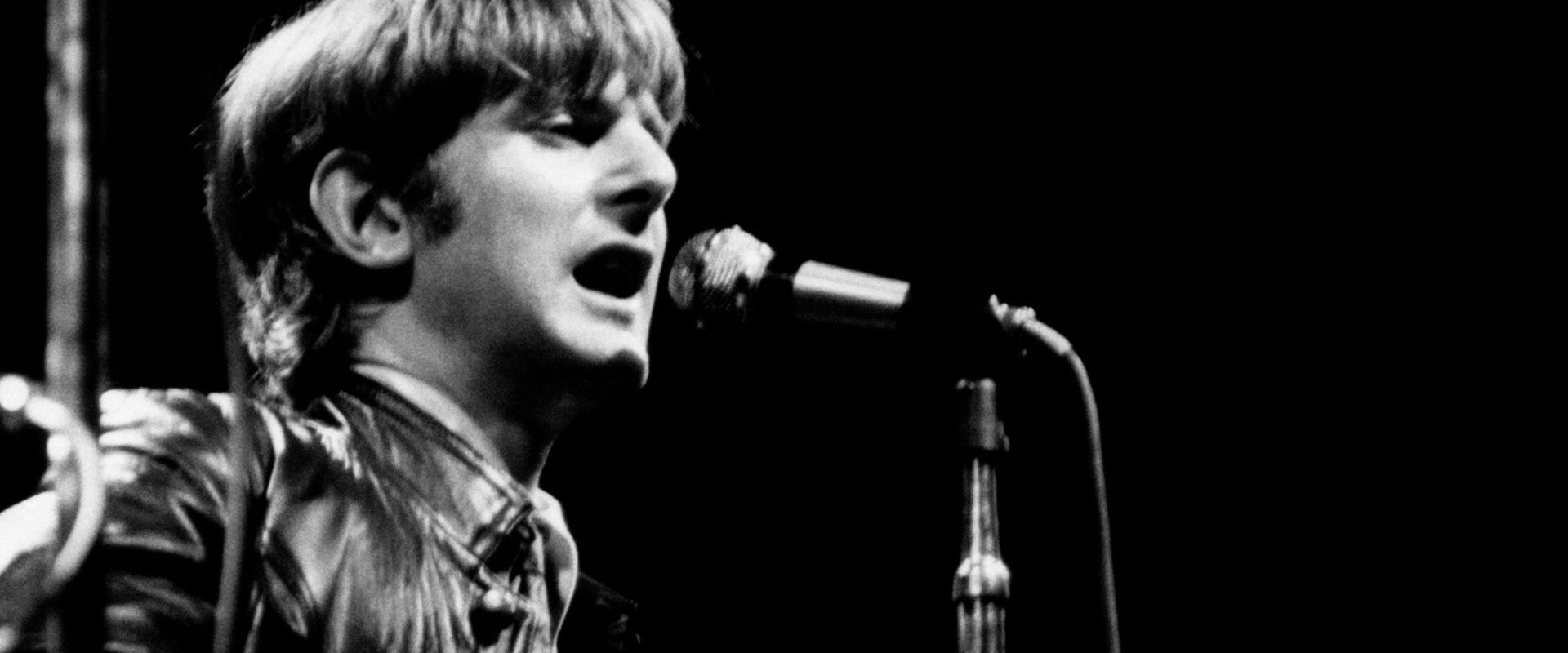
The Byrds are so synonymous with that quintessentially mid-1960s, jangly folk-rock sound that it’s hard to imagine a world in which the players didn’t already have that style locked in. But as Roger McGuinn revealed in a 2026 interview with Guitar Player, the right mix of ingredients needed to come together before The Byrds could land on the sound that would come to define not only their career but the decade itself.
First, The Beatles (naturally). McGuinn, like countless other musicians in 1964, wanted to recreate the sounds the Fab Four created on A Hard Day’s Night. Eager to recreate their style, McGuinn bought a ticket to see the comedy film of the same name. While there, he noticed that George Harrison was playing a 12-string Rickenbacker 360.
And to bring things back to the 21st century with a Mean Girls reference, Roger McGuinn saw George Harrison playing a Rickenbacker 360, so he went out and bought a Rickenbacker 360.” However, history would show that the instrument was half the battle.
Roger McGuinn Combined Multiple Instrumental Styles on His New Guitar
Speaking to Guitar Player in 2026, Roger McGuinn recalled practicing “eight hours a day” on his new Rickenbacker 12-string. Unlike acoustic 12-string guitars, the Rickenbacker’s neck was narrower, which allowed McGuinn to get more creative with his left hand as he played. For his right, McGuinn adopted banjo techniques by flatpicking with metal fingerpicks on his middle and ring fingers. “I discovered I could instantly switch from fast single-note runs to banjo rolls and get the best of both worlds,” McGuinn said.
Instrumental technique (and the instrument itself) are obviously critical components of how a record will sound. But just as important as the player and their gear is the engineer’s ability to translate those instruments into audio that sounds good. As anyone who has spent time in the studio can attest, getting just the right tone dialed in can be a tedious, laborious process. Fortunately for The Byrds, one of engineer Ray Gerhardt’s go-to recording techniques helped solidify the rest of the band’s jangly, folk-rock vibe.
How a Finicky Studio Engineer Helped Shape the Byrds’ Folk-Rock Sound
Byrds guitarist Roger McGuinn explained to Guitar Player, somewhat cheekily, that studio engineer Ray Gerhardt used lots of compression while recording to “protect his precious equipment from loud rock ‘n’ roll.” The compression wasn’t experimental. It was a way for Gerhardt to curb the instruments’ decibel levels while they tracked. However, once McGuinn started playing his Rickenbacker 360 through a compressor, he realized that the equipment unlocked a whole new tone in the 12-string guitar.
“The Rick by itself is kind of thuddy. It doesn’t ring,” he explained. “But if you add a compressor, you get that long sustain. [Gerhardt] compressed the heck out of my 12-string, and it sounded so great we decided to use two tube compressors in series and then go directly into the board. That’s how I got my jingle-jangle tone. It’s really squashed down. But it jumps out from the radio.”
Photo by Gems/Redferns