
Offseasons are rarely as simple as targeting a player or position and then addressing it. At any given moment, a roster is a string of chess moves where one maneuver — and the elimination of each piece — influences the next. For that reason, teams keep options open, adapting repeatedly to the board.
Get Starting Point
A guide through the most important stories of the morning, delivered Monday through Friday.
Though going from Bregman to Suárez might seem extreme, it actually fits with a long history of Red Sox offseason redirections this century. Some shifts have ended spectacularly, while others yielded spectacular failure, suggesting that the strength of a team is often determined not by its primary target but how well it adapts.
2000-01: Mussina to Manny
After the 2000 season, the Red Sox were determined to sign a top free agent. Their initial target was pitcher Mike Mussina, whom general manager Dan Duquette envisioned alongside Pedro Martínez to anchor a championship-caliber rotation. But after Mussina signed a six-year, $88.5 million deal with the Yankees, Duquette and the Sox turned to Manny Ramirez on an eight-year, $160 million deal — during which Ramirez helped anchor a lineup that netted a pair of titles. “That worked out OK,” Duquette once chuckled of his fallback option.
2002-03: Aced out by the “Evil Empire”
After the 2002 season, Theo Epstein — in his first winter as GM — led a delegation of Red Sox officials to meet with José Contreras in Nicaragua, hoping to convince the star Cuban pitcher to begin his major league career in Boston. The Yankees, however, outbid the Sox, prompting Larry Lucchino’s unforgettable proclamation: “The evil empire extends its tentacles even into Latin America.”
At the Winter Meetings that year, the Sox pushed to sign Edgardo Alfonzo, but the third baseman instead signed with the Giants. And so, the Sox ended up signing the third baseman whom the Giants permitted to walk that year, Bill Mueller, while also using their unspent Contreras/Alfonzo money to add a number of relatively low-profile players – including a player who’d been nontendered that offseason by the Twins. David Ortiz ended up being pretty good.
2008-09: A buy-low Hall of Fame alternative, Act 1
The Red Sox made a hard push for Mark Teixeira, meeting with the free agent first baseman in Texas in hopes of closing a deal. But the Sox were outbid by the Yankees, who signed the in-his-prime Teixeira to an eight-year, $180 million deal. The Sox pulled back from high-end options, instead reaching low-risk/high-reward deals for starters John Smoltz and Brad Penny. Smoltz and Penny were released by the summer. Not all alternate paths are good ones.
2009-10: A buy-low Hall of Fame alternative, Act 2
From the time the Red Sox acquired Jason Bay while dealing off Ramirez at the 2008 deadline, the outfielder proved a fantastic middle-of-the-order fit. The Sox made a push to extend him at the 2009 All-Star Game, then looped back to explore a long-term deal after the season. But those discussions stalled as a result of Sox concerns about the outfielder’s knee, and so in mid-December the Sox made an unexpected shift, closing a five-year, $85 million deal with righthander John Lackey. The Sox later added outfielder Mike Cameron, then allowed agent Scott Boras to introduce the “pillow contract” into the baseball lexicon with a one-year, $10 million deal for Adrian Beltré.
2014-15: The scramble after Lester
Though the Red Sox traded ace lefthander Jon Lester at the 2014 deadline, they hoped to bring him back through free agency that offseason. But they weren’t alone. Ultimately, Epstein and the Cubs outbid the Sox, signing him to a six-year, $155 million contract. The Red Sox responded with a flurry of moves, trading for starting pitchers Wade Miley and Rick Porcello at the Winter Meetings, then signing Pablo Sandoval and Hanley Ramírez to long-term deals. After a rocky first season, Porcello — the 2016 AL Cy Young winner — worked out. The rest? Aside from a strong 2016 season by Ramírez, not so much.
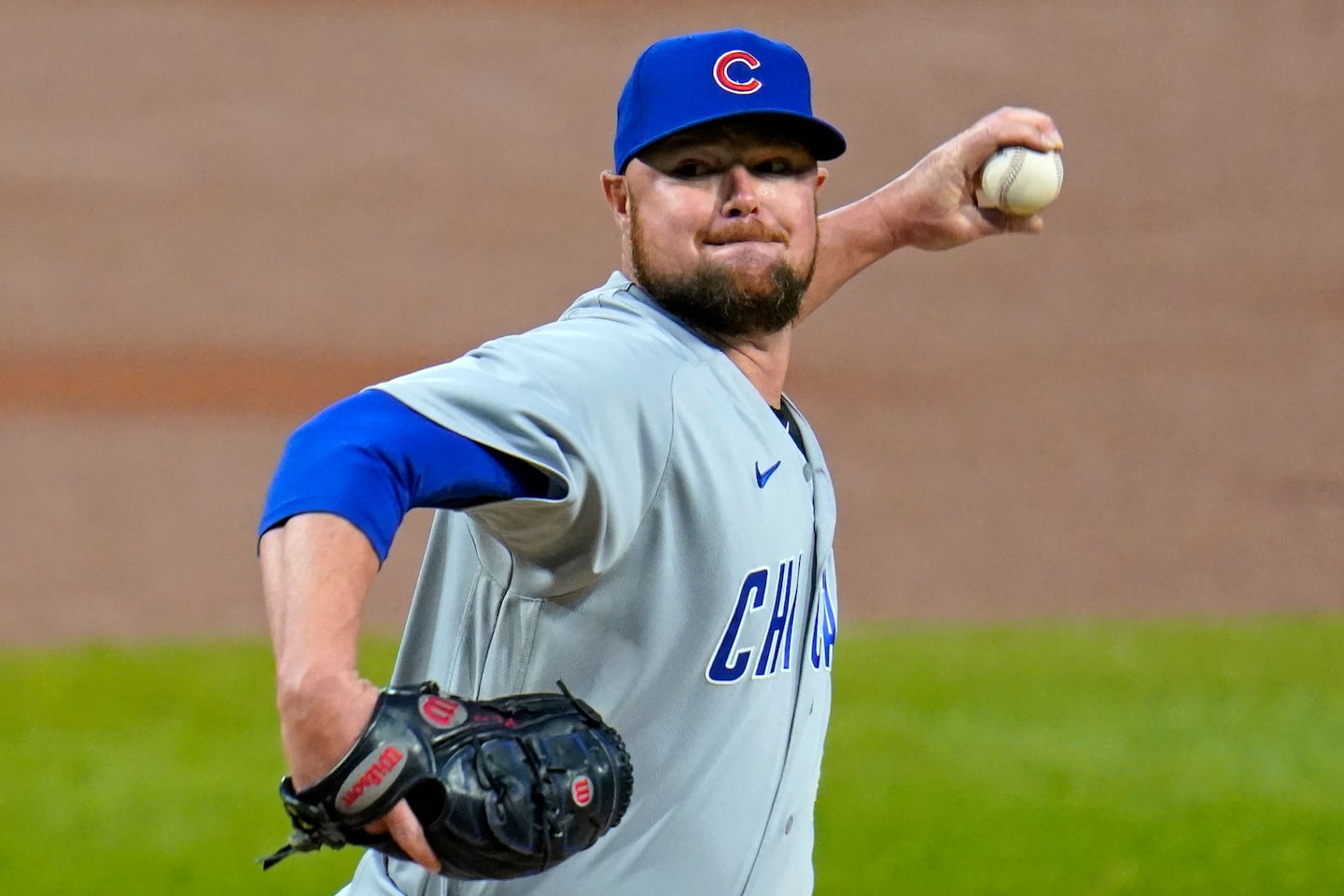 Jon Lester chose the Cubs over the Red Sox during the 2014-15 offseason.Gene J. Puskar/Associated Press
2022-23: Bogaerts heads West
After the 2022 season, the Red Sox wanted to bring back Xander Bogaerts, keeping a long-term fixture as an anchor of their infield. But while they believed their six-year, $160 million offer was a strong one, the Padres — spurned by Trea Turner, who signed with the Phillies — blew it away, reaching a staggering 11-year, $280 million deal with the shortstop. That same offseason, the Sox also tried but failed to re-sign righthander Nate Eovaldi, while missing on a number of other targets, including Jose Abreu. And so, they pushed to alternate possibilities, signing outfielder/DH Masataka Yoshida, closer Kenley Jansen, and starter Corey Kluber.
2024-25: Ace alternatives
After Juan Soto signed his historic contract, the market for Max Fried quickly took shape, with the Red Sox and Yankees chasing the lefthander. But when the Yankees closed the deal for eight years and $218 million, the Sox reassessed the landscape of rotation possibilities. They decided to make a hard push for lefthander Garrett Crochet, improving their trade offer with the White Sox by fronting the deal with Kyle Teel and Braden Montgomery. It was a package that set the stage for the Sox to walk out of the Winter Meetings with a pitcher who went on to finish as runner-up for the 2025 AL Cy Young Award.
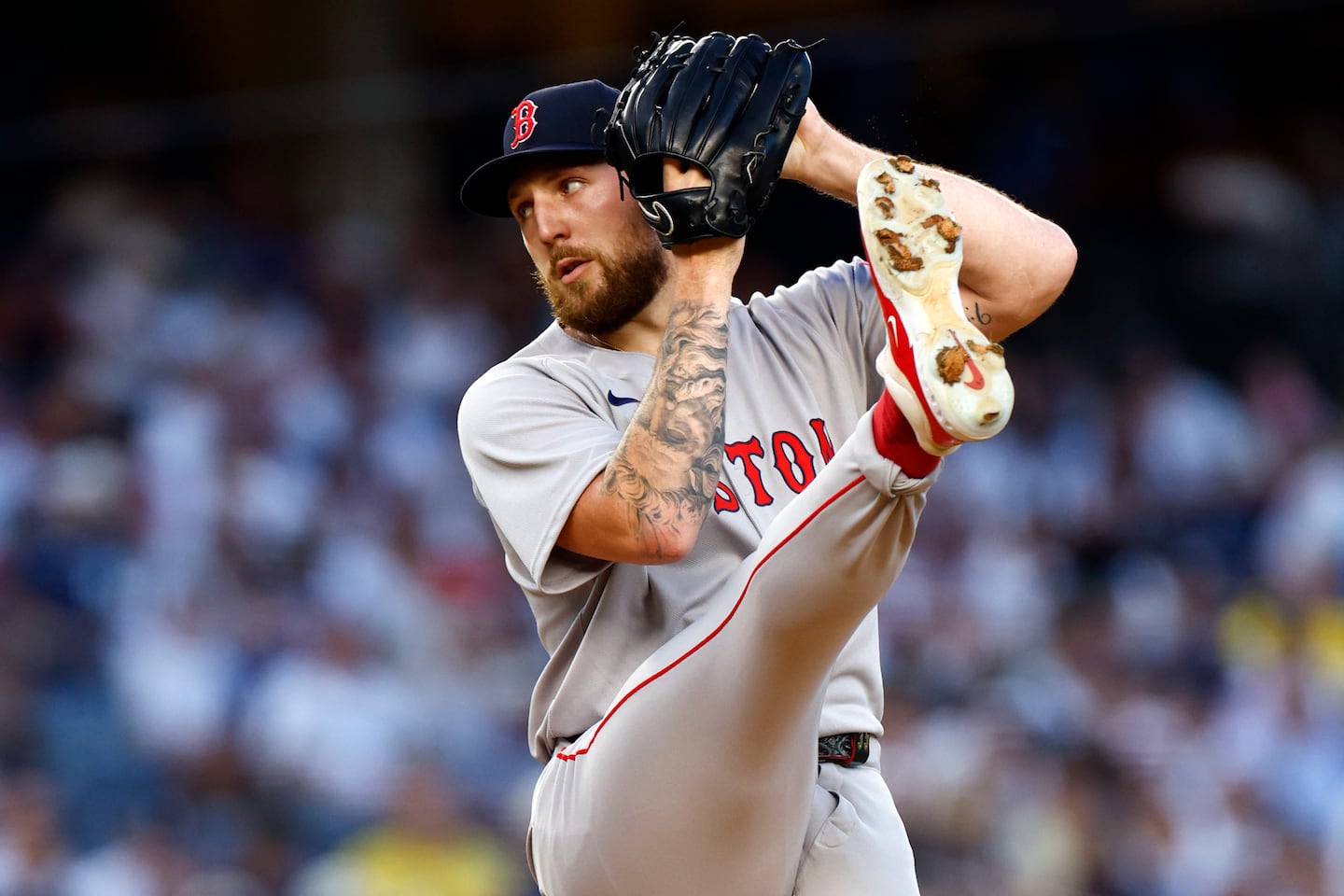 After losing the Juan Soto and Max Fried sweepstakes, the Red Sox did what they had to to pry Garrett Crochet away from the White Sox.Danielle Parhizkaran/Globe Staff
Alex Speier can be reached at alex.speier@globe.com. Follow him @alexspeier.