

College football has officially entered its “Billionaire Era.” Following the conclusion of the most lucrative season in history, one that ended with Indiana’s historic 16-0 run, the financial landscape of the sport has shifted from regional passion to global enterprise. According to the latest valuation report by the Wall Street Journal, the top 20 programs have seen an average year-over-year increase of 46%, driven by the 12-team playoff’s massive TV ratings and the formalization of revenue-sharing with athletes. While the win-loss columns look different this year, the bank accounts of the blue-blood programs have never been more robust. Here are the 20 most valuable college football teams in 2026.
20. Colorado – $870 million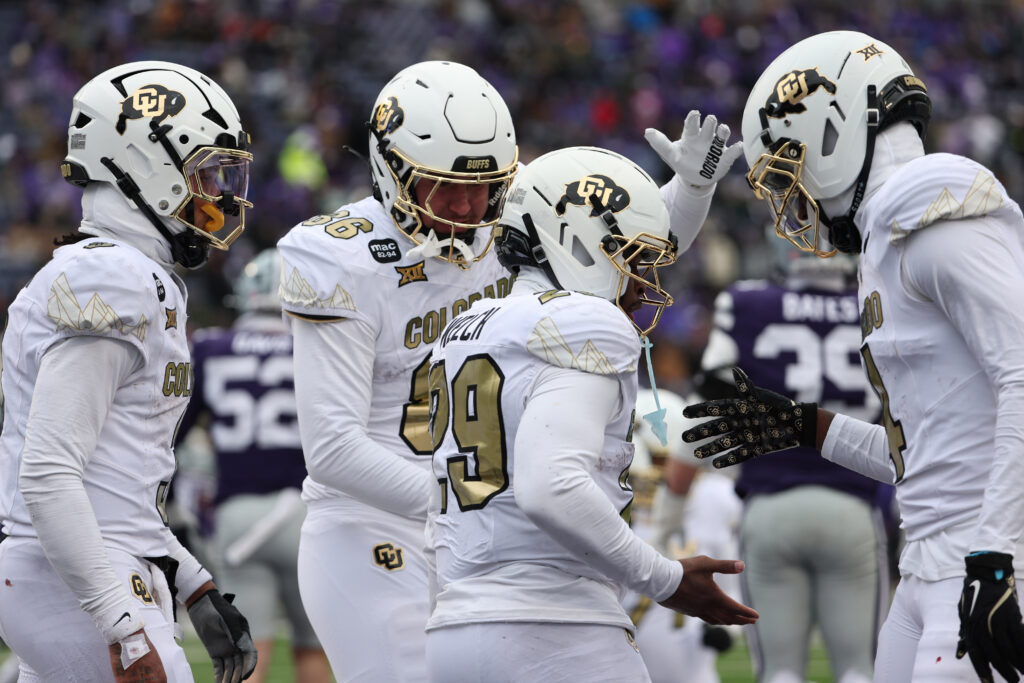 Manhattan, Kansas, USA; Colorado Buffaloes running back Micah Welch (29) is congratulated by teammates after scoring a touchdown in the fourth quarter against the Kansas State Wildcats at Bill Snyder Family Football Stadium. Credit: Scott Sewell-Imagn Images
The Deion Sanders era may have hit a plateau on the field with a 7-5 record, but the “Buffs” brand remains a merchandising and media behemoth. Colorado rounds out the top 20 thanks to a massive social media footprint that continues to drive ticket demand and high-profile NIL deals in Boulder. Investors are watching closely to see if the program can maintain this financial gravity once the “Coach Prime” novelty eventually transitions to a new phase.
19. Oregon – $873 Million Atlanta, GA, USA; Oregon Ducks linebacker Will Straton (38) reacts after the 2025 Peach Bowl and semifinal game of the College Football Playoff at Mercedes-Benz Stadium. Mandatory Credit: Dale Zanine-Imagn Images
Despite being a fixture in the 2025 playoff conversation and Dan Lanning’s elite recruiting, the Ducks still sit just outside the $1 billion threshold. Oregon’s value is buoyed by its status as the Big Ten’s newest western powerhouse and its unique, evergreen partnership with Nike. Fans in Eugene might argue they should be higher, but current metrics emphasize traditional revenue streams over the coolness factor alone.
18. Wisconsin – $963 Million Eugene, Oregon, USA; Wisconsin Badgers tight end Lance Mason (86) celebrates with wide receiver Eugene Hilton Jr. (13) during the second half after scoring a touchdown against the Oregon Ducks at Autzen Stadium. Credit: Troy Wayrynen-Imagn Images
The Badgers remain a model of financial stability, leveraging one of the most loyal fan bases in the Big Ten and a consistent floor of competitive play. Under Luke Fickell, the program has successfully transitioned its brand from ground-and-pound to a more modern, TV-friendly offensive style that keeps donors engaged. While they haven’t cracked the elite four of the conference yet, their $156 million in adjusted revenue proves the Madison market is a gold mine.
17. Florida – $978 million Gainesville, Florida, USA; Florida Gators running back Jadan Baugh (13) scores a touchdown during the fourth quarter against the Florida State Seminoles at Ben Hill Griffin Stadium. Credit: Bob Kupbens-Imagn Images
The Gators have been in a bit of an on-field funk lately, but the “Swamp” remains a top-tier revenue generator for the SEC’s bottom line. Even with the coaching turnover, the program’s massive alumni base and Florida’s fertile recruiting territory keep its valuation near the billion-dollar mark. A bounce-back season in 2026 could easily see them leapfrog several Big Ten rivals as they look to reclaim their status as the SEC’s premier brand.
16. USC – $999 million San Antonio, TX, USA; Southern California Trojans quarterback Jayden Maiava (14) throws the ball to wide receiver Corey Simms (10) against the Southern California Trojans in the second half during the Alamo Bowl at Alamodome. Credit: Kirby Lee-Imagn Images
Falling just short of the billion-dollar club, the Trojans are still adjusting to the travel and physical demands of life in the expanded Big Ten. The recent hire of Gary Patterson as defensive coordinator has sparked new investor confidence that the Trojans can finally fix their “soft” reputation. With the 2026 schedule now out, USC’s brand visibility is expected to skyrocket, potentially pushing them past $1.2 billion by next year.
15. Iowa – $1.017 billion Tampa, FL, USA; Iowa Hawkeyes offensive lineman Logan Jones (65) reacts after beating the Vanderbilt Commodores in the ReliaQuest Bowl at Raymond James Stadium. Credit: Nathan Ray Seebeck-Imagn Images
Kirk Ferentz’s program has officially joined the “Billion Dollar Club,” a testament to the stability and high floor of the Hawkeye football machine. While they often contend for Big Ten titles but fall just short, their consistent Top-25 presence ensures a massive payout from the conference’s TV deal. Iowa’s financial health is a masterclass in regional dominance, proving you don’t need a national title to be a financial titan in the modern era.
14. Auburn – $1.101 billion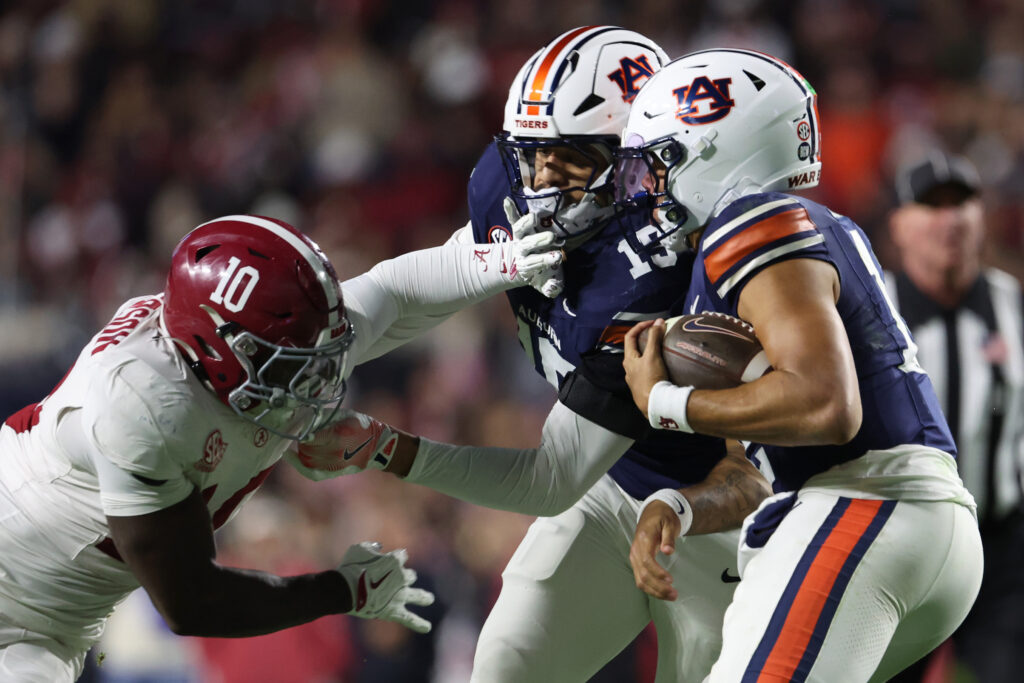 Auburn, Alabama, USA; Auburn Tigers defensive end Keldric Faulk (15) defends quarterback Ashton Daniels (12) from Alabama Crimson Tide linebacker Justin Jefferson (10) during the second half at Jordan-Hare Stadium. Credit: John Reed-Imagn Images
The Plains continue to pump out massive donor contributions, with the 12th Man-style passion in Auburn keeping them competitive in the SEC’s arms race. Despite an on-field slump that saw them miss the playoffs, the Tigers’ infrastructure and historic “Iron Bowl” brand keep their value in the elite tier. They currently sit at $1.1 billion, but the gap between them and the SEC’s top three remains the program’s biggest long-term hurdle.
13. Tennessee – $1.114 billion Nashville, TN, USA; Tennessee Volunteers running back Desean Bishop (18) celebrates with his teammates after a touchdown against the Illinois Fighting Illini during the second half at Nissan Stadium. Credit: Steve Roberts-Imagn Images
Vol Nation is riding high after a strong 2025 campaign, and Neyland Stadium’s atmosphere remains one of the most profitable experiences in college sports. The program reported over $177 million in football revenue this past season as Josh Heupel’s high-speed offense keeps the “Power T” in the national spotlight. Tennessee is positioned to be a major player in the 2026 playoff race, which should drive their valuation even higher as media rights deals escalate.
12. Washington – $1.147 billion Inglewood, CA, USA; Washington Huskies quarterback Demond Williams Jr. (2) is forced out of bounds by Boise State Broncos defensive back Jeremiah Earby (6) after catching a pass in the second half of the LA Bowl at SoFi Stadium. Credit: Jayne Kamin-Oncea-Imagn Images
The Huskies’ move to the Big Ten has been a financial masterstroke, providing the program with a level of visibility and cash flow it never had in the Pac-12. Following a strong season where they competed for a quarterfinal spot, Washington has established itself as the premier football brand in the Pacific Northwest. The valuation of $1.147 billion reflects a team that has successfully navigated the big move without losing its competitive edge on the field.
11. Oklahoma – $1.153 billion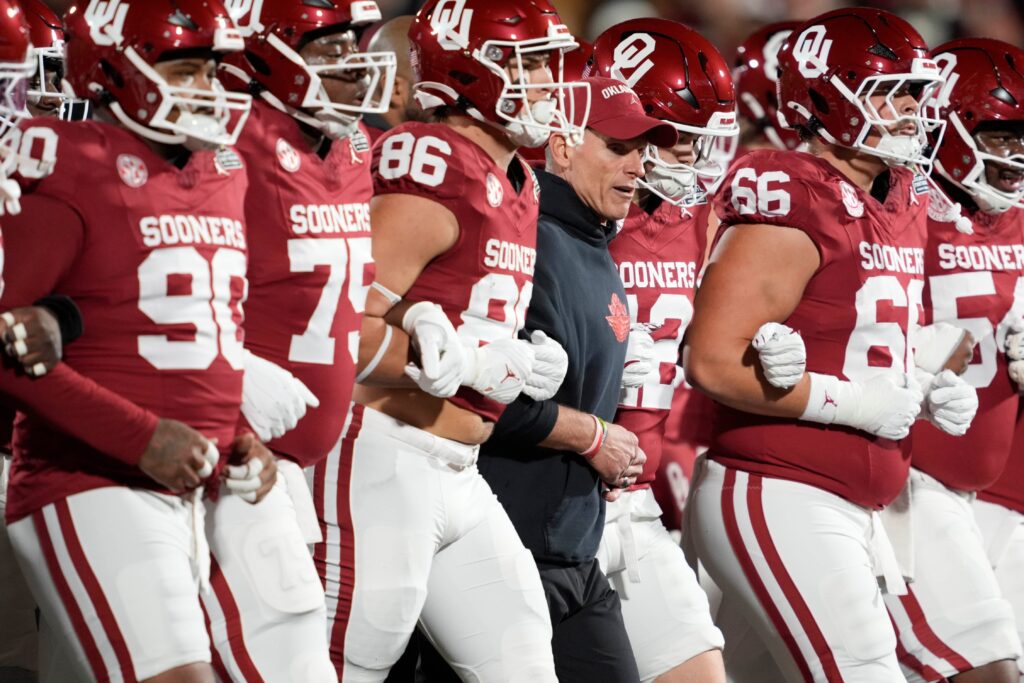 Oklahoma coach Brent Venables locks arms with players before a first-round College Football Playoff game between the University of Oklahoma Sooners (OU) and the Alabama Crimson Tide at Gaylord Family – Oklahoma Memorial Stadium in Norman, Okla. Credit: BRYAN TERRY/THE OKLAHOMAN / USA TODAY NETWORK via Imagn Images
The Sooners’ transition to the SEC hasn’t dampened their financial spirit, as they continue to draw massive audiences for their matchups with Texas and Alabama. While on-field results in 2025 were mixed, the donor base remains one of the most generous in the country, contributing nearly $600 million over recent cycles. Oklahoma stays just outside the top 10, but a deep run in the 2026 playoff could see them swap places with their rivals from Lincoln or Tuscaloosa.
10. Nebraska – $1.236 billion Las Vegas, NV, USA; Nebraska Cornhuskers quarterback TJ Lateef (14) throws the ball in the second half against the Utah Utes during the SRS Distribution Las Vegas Bowl at Allegiant Stadium. Credit: Kirby Lee-Imagn Images
The Cornhuskers are the ultimate proof that brand is everything, sitting inside the top 10 despite having a rough decade on the football field. Nebraska’s $197 million in adjusted revenue for 2025 shows that the Sea of Red will never stop spending on their beloved Huskers. With Matt Rhule finally finding some consistency, the program’s valuation is beginning to catch up with its legendary status in the Big Ten.
9. Alabama – $1.407 billion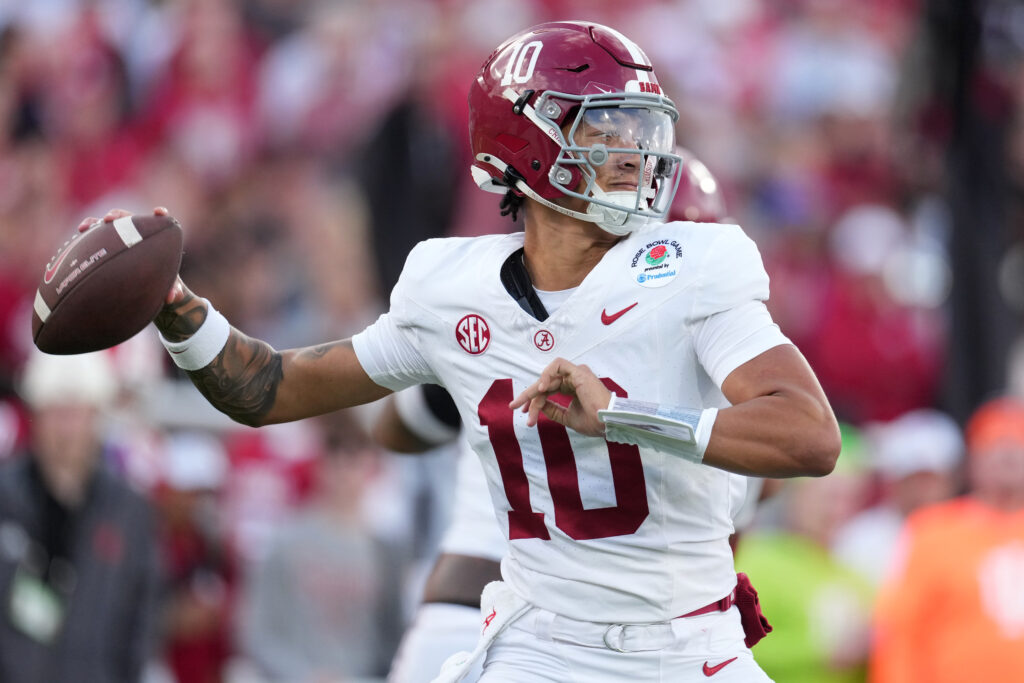 Pasadena, CA, USA; Alabama Crimson Tide quarterback Austin Mack (10) throws a pass against the Indiana Hoosiers in the second half of the 2026 Rose Bowl and quarterfinal game of the College Football Playoff at Rose Bowl Stadium. Credit: Kirby Lee-Imagn Images
Life after Nick Saban hasn’t been the disaster critics predicted, as the Crimson Tide brand remains an absolute juggernaut in the SEC. Kalen DeBoer has kept the Tide in the playoff hunt, ensuring that the TV ratings and merchandise sales stay at their historic, Saban-era levels. At $1.4 billion, Alabama is no longer the undisputed No. 1 in value, but they are the bedrock upon which the SEC’s media empire is built.
8. Penn State – $1.411 billion Bronx, NY, USA; Penn State Nittany Lions wide receiver Trebor Pena (8) holds the David C. Koch MVP Trophy after defeating the Clemson Tigers in the 2025 Pinstripe Bowl at Yankee Stadium. Credit: Vincent Carchietta-Imagn Images
The Nittany Lions have leveraged a massive $700 million renovation of Beaver Stadium to create new, high-margin revenue streams for the athletic department. Even after the firing of James Franklin, the hire of Matt Campbell has re-energized a donor base that is hungry for more than just 10-win seasons. Penn State’s value is locked in at $1.4 billion, making them a cornerstone of the Big Ten’s financial future alongside Michigan and Ohio State.
7. Notre Dame – $1.418 billion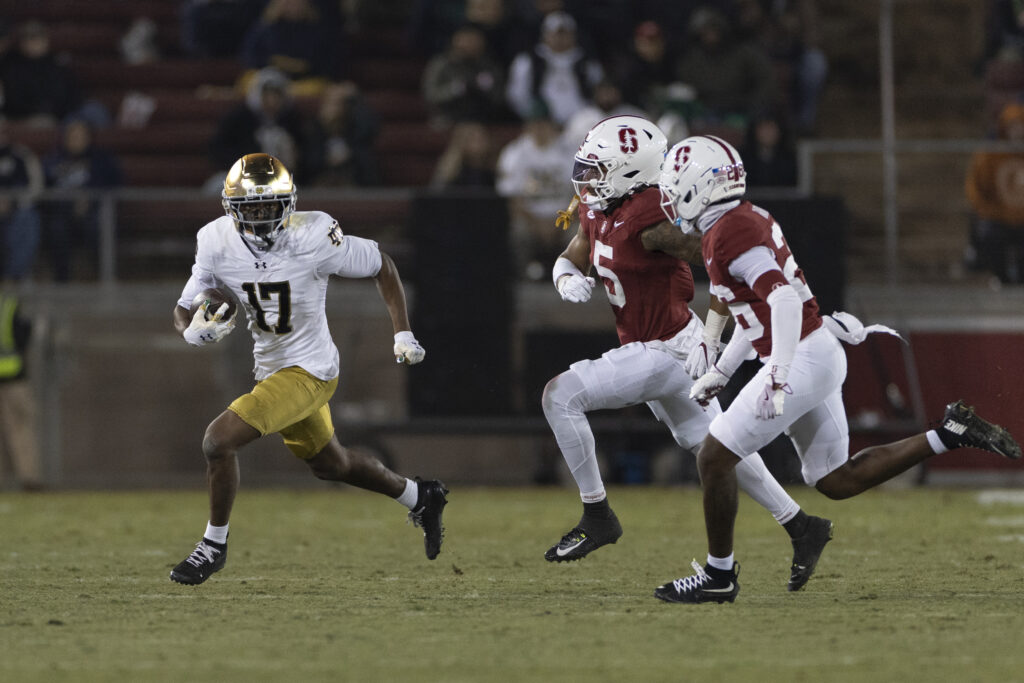 Stanford, California, USA; Notre Dame Fighting Irish wide receiver Elijah Burress (17) runs with the football during the third quarter against the Stanford Cardinal at Stanford Stadium. Credit: Stan Szeto-Imagn Images
As the only independent in the Top 10, the Irish continue to defy conference gravity by leveraging their unique NBC deal and global religious affiliation. The program’s 2025 season saw them narrowly miss the playoffs, but their brand share in the college football market remains as dominant as ever. Notre Dame’s recession-proof status is a primary reason they stay so high despite the shifting conference landscape.
6. Michigan – $1.463 billion Orlando, FL, USA; Michigan Wolverines running back Bryson Kuzdzal (24) rushes with the ball against the Texas Longhorns during the second half at Camping World Stadium. Credit: Matt Pendleton-Imagn Images
The Wolverines are entering a new era under Kyle Whittingham, but the Block M remains one of the most recognizable and profitable logos in sports. Michigan’s $200 million in football revenue for the 2025-26 season was a record for the school, even during a year of major coaching and roster turnover. They remain the financial gold standard in the Big Ten, though they have been narrowly overtaken by a certain rival from Columbus in the latest rankings.
5. Georgia – $1.472 billion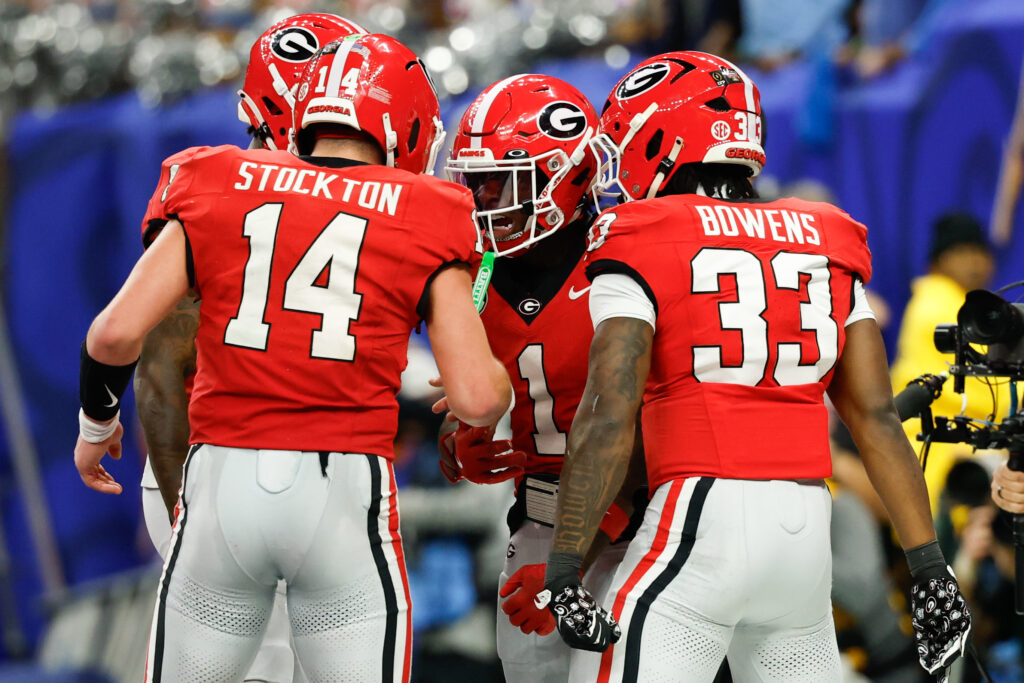 New Orleans, LA, USA; Georgia Bulldogs wide receiver Zachariah Branch (1) celebrates with teammates after scoring a touchdown against the Mississippi Rebels in the fourth quarter during the 2026 Sugar Bowl and quarterfinal game of the College Football Playoff at Caesars Superdome. Credit: Geoff Burke-Imagn Images
Kirby Smart has built a solid foundation in Athens, and the financial returns are finally matching the Bulldogs’ incredible on-field dominance. With a valuation of $1.47 billion, Georgia is now the third-most-valuable program in the SEC, trailing only the Texas-based giants at the top. The program’s investment in recruiting—spending more than anyone else—is yielding a massive return on investment for the university’s donors.
4. LSU – $1.543 billion Houston, TX, USA; Louisiana State Tigers quarterback Michael van Buren Jr. (11) reacts after throwing a touchdown pass during the second half against the Houston Cougars at NRG Stadium. Credit: Maria Lysaker-Imagn Images
The “Lane Kiffin Effect” has hit Baton Rouge in a big way, with the Tigers seeing a massive jump in value following his high-profile hiring. LSU’s reported $213 million in revenue is fueled by a stadium experience many consider the best in the world, which keeps ticket prices and donations high. With the nation’s top transfer class heading into 2026, the Tigers are positioned to challenge the $2 billion mark with another national title run.
3. Ohio State – $1.547 billion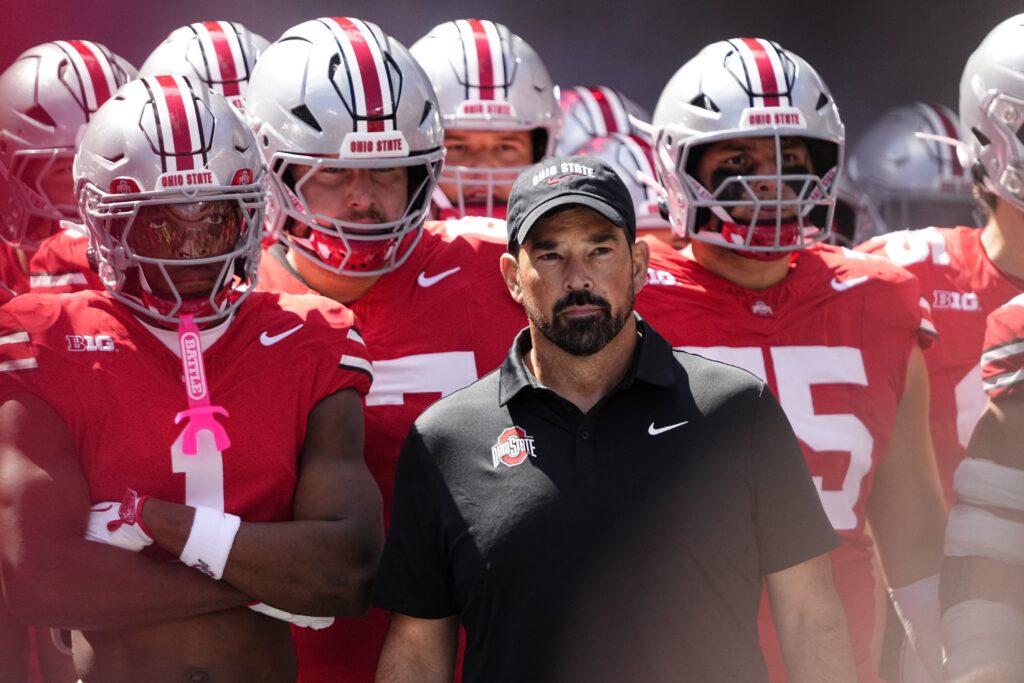 Ohio State Buckeyes head coach Ryan Day leads his team onto the field prior to the NCAA football game against the Texas Longhorns at Ohio Stadium. Credit: Adam Cairns/Columbus Dispatch / USA TODAY NETWORK via Imagn Images
The Buckeyes fell from the No. 1 spot they held in 2025, but a $1.5 billion valuation is hardly a sign of trouble for the kings of the Big Ten. Ohio State’s all-in roster spending model has paid dividends, keeping them in the national championship conversation every season. Despite a disappointing finish to the 2025 season, the program is expected to remain a top-three financial entity.
2. Texas A&M – $1.593 billion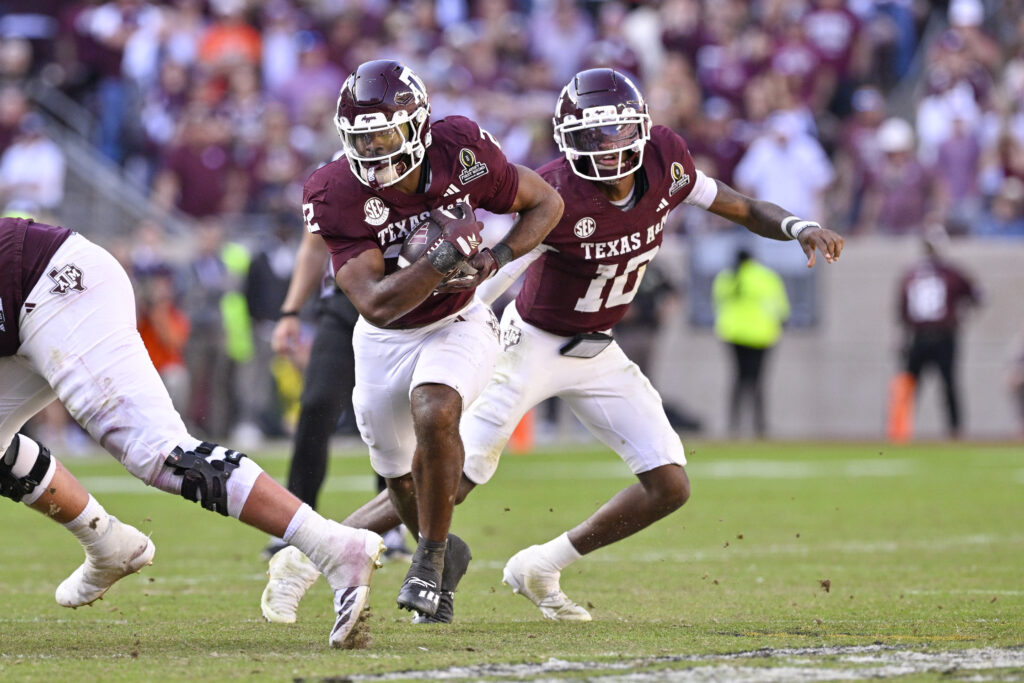 College Station, TX, USA; Texas A&M Aggies running back Ej Smith (22) runs with the ball during the game between the Aggies and the Hurricanes at Kyle Field. Credit: Jerome Miron-Imagn Images
The 12th Man Foundation continues to be the most efficient money-making machine in college sports, propelling the Aggies to the No. 2 spot nationally. With $218 million in revenue, Texas A&M proves that you don’t need a shelf full of trophies to be one of the most valuable businesses in the country. The Aggies have successfully branded themselves as the alternative power in Texas, a strategy that has resonated deeply with their wealthy alumni.
1. Texas – $2.197 billion Orlando, FL, USA; Texas Longhorns running back Christian Clark (6) runs with the ball against the Michigan Wolverines during the first half at Camping World Stadium. Credit: Matt Pendleton-Imagn Images
The Longhorns have officially crossed the $2 billion threshold, making them the most valuable college football program in the sport’s history. Despite a three-loss season and struggles from quarterback Arch Manning, the brand’s move to the SEC has supercharged its already massive revenue streams. With $298 million in adjusted revenue—nearly $80 million more than their closest competitor—the Longhorns are in a financial league of their own.
Conclusion
The 2026 valuation rankings tell a clear story: while championships are won on the field, the true battle in college football is happening in the accounting offices. Texas’s jump to over $2 billion signals a new era where the gap between the “haves” and the “have-mores” is widening at an exponential rate. As the sport continues to embrace its professional identity, these valuations will likely only climb higher, especially as the 12-team playoff becomes the standard-bearer for sports media.