
Two young bearded vultures have taken to the sky above the Catalan Pyrenees, a moment of quiet triumph after a demanding breeding season. Their first flights, one in late June and another in late July, mark an encouraging step for regional biodiversity and for the recovery of a species once pushed to the brink.
A milestone for Europe’s largest raptor
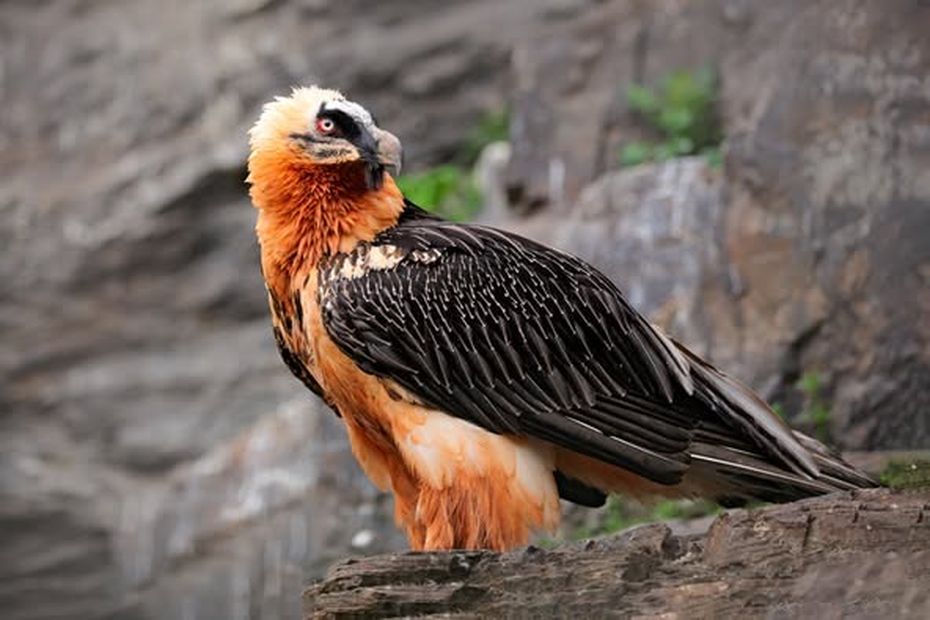
The bearded vulture, or Gypaetus barbatus, is Europe’s largest raptor, with a wingspan that can stretch beyond 2.7 meters. Adults are unmistakable, with a rust-tinted breast, a black “beard” at the base of the bill, and a stare ringed in black, yellow, and red.
Nicknamed the “bone-breaker,” this species relies heavily on carcasses, often dropping large bones onto rocky slabs to shatter them and reach the fatty, nutritious marrow. Unlike other vultures, it can lift and carry food in its talons, a rare skill that aids survival in the high mountains.
A delicate breeding season in the Pyrenees
In the Pyrénées-Orientales, a handful of pairs attempted to breed this year, with mixed results. Harsh spring weather likely contributed to several failures, a reminder that reproduction remains a fragile equation even in well-protected areas.
Against that backdrop, the successful fledging of two juveniles is both symbolic and practical: new birds on the wing help bolster a population that still numbers only a few dozen pairs across France. Observers also noted wandering immatures, a healthy sign of movement within the wider metapopulation.
“Each chick that clears the cliff edge is, quite simply, a win for biodiversity and for the living heritage of these mountains.” This sentiment echoes through the conservation community, where small gains carry weight.
Life on the wing: from cliff to competence
Young bearded vultures leave the nest at around four months, but they depend on their parents for weeks as they master efficient flight and the art of finding food. The first two years are largely nomadic, a time of exploration and learning across wide territories.
The species favors sharp ridgelines, warm valleys, and strong thermals that allow effortless gliding over long distances. As adults, they are mostly solitary away from the nest, yet pair bonds are monogamous and often last for life.
What sets the species apart
A specialized diet centered on bones, rich in energy-dense marrow.
The dramatic bone-dropping behavior, perfected on flat rock “anvils.”
The ability to transport food in the talons, unusual among vultures.
Striking facial markings with tricolored eye rings.
Rusty underside plumage, often enhanced by mineral-rich dust baths.
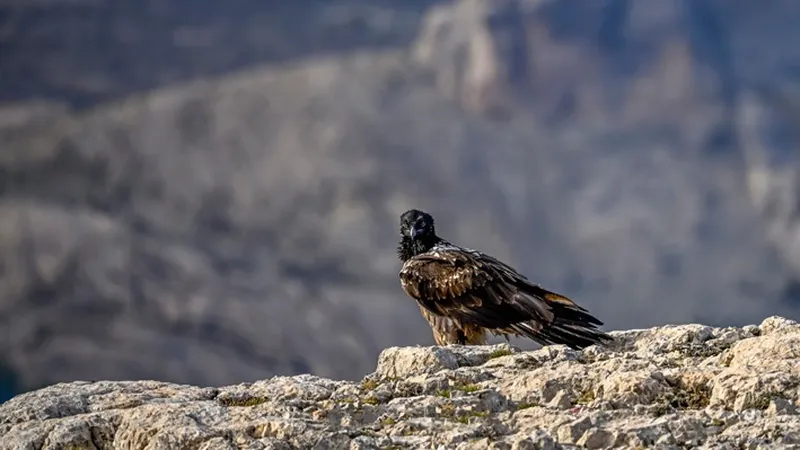 Juvenile bearded vulture. © AGUSTIN ORDUNA / ISTOCKPHOTO
Threats, progress, and patient stewardship
Despite progress, the species remains vulnerable, with each breeding attempt exposed to weather, disturbance, and food availability. In France, around 80 pairs are now monitored, a slow but steady increase thanks to sustained protection.
Reintroduction programs have taken root in the Alps and the Cévennes, complementing native populations in the Pyrenees and in Corsica. The current outlook is cautiously optimistic, driven by science-based management and long-term collaboration.
In the Catalan Pyrenees, coordinated efforts by regional reserves, national agencies, and local NGOs have strengthened surveillance and reduced preventable risks. The aim is simple but not easy: safeguard nesting cliffs, limit disturbance, and keep the food chain clean and available.
How everyone can help
Hikers, photographers, and residents also play a role in this recovery. Respecting seasonal closures around nests prevents abandonment. Keeping a generous distance from perched or soaring birds reduces stress at critical times. Reporting sightings to local monitoring teams adds valuable data that can guide protective measures.
Above all, the presence of two new wings in the sky is a reminder that conservation is made of many small victories. From nest to horizon, each safe flight strengthens a lineage that once nearly vanished, and brings wild grandeur back to the high country.