

As the weather outside continues to be frightful, so too do the number of people coming down with colds, the flu, COVID-19 and RSV. Though it’s unlikely you’ll make it to spring without a single sneeze, vaccines provide a strong defense against the nastiest viruses and the worst versions of them if you do get sick.
Part of what makes winter illnesses so tricky is that many of these viruses circulate at the same time, creating what experts often call a “quad-demic.” This means your immune system can be hit from multiple angles at once, increasing the odds of getting sick—or even catching more than one virus in a single season. Add in more time spent indoors, packed social calendars and dry winter air that irritates the respiratory tract, and it’s the perfect storm for infections to spread.
Vaccines don’t just protect you as an individual; they also help reduce the overall amount of virus circulating in the community. That matters because fewer infections mean less strain on hospitals, fewer missed workdays and fewer disruptions to everyday life. Even if you do get sick after being vaccinated, research consistently shows that symptoms tend to be milder and recovery is faster, which can make a huge difference in quality of life during the winter months.
“Vaccination lowers the risk of severe illness, hospitalization and complications at a time when healthcare systems are often stretched,” states Dr. Raj Dasgupta, MD, the chief medical advisor for Sleepopolis. “For adults over 50, vaccines are a great way to protect independence, heart health and lung health through the winter.”
Dr. Dasgupta had us at independence. Which vaccines do you need, though, and is February too late? We asked four doctors to name the one vaccine to get before February, and they all said the same thing.
Get This Vaccine Before February Ends, Doctors Urge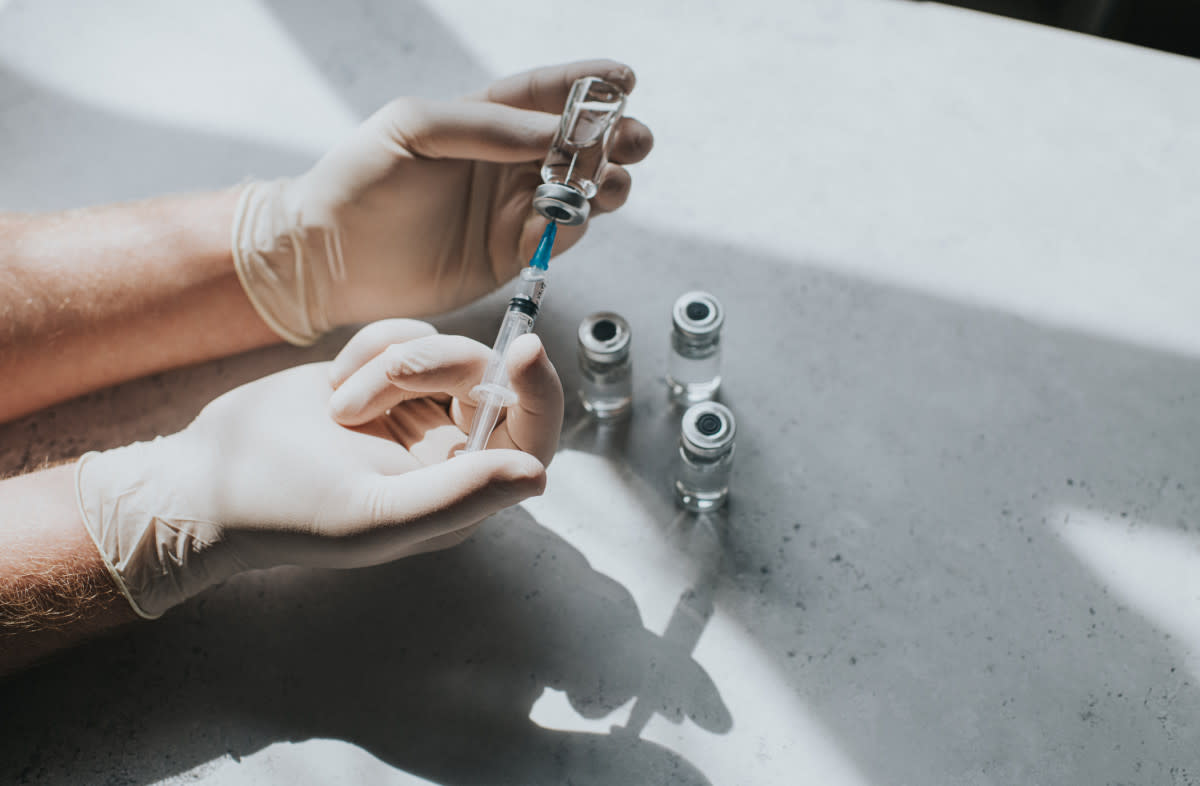
Catherine Falls Commercial/Getty Images
(Catherine Falls Commercial/Getty Images)
“The flu vaccine is one that I wish people would still get before February ends,” Dr. Dasgupta reveals. “It trains the immune system to recognize the circulating influenza strains and reduces the risk of infection, severe illness and hospitalization.”
All three other doctors we spoke with agreed that it’s crucial to get your flu shot in February if you haven’t already. “Now is the time to get the flu shot,” Dr. Linda Yancey, MD, an infectious disease expert for Memorial Hermann Health System, agrees. “Cold and flu season runs through the end of March, and we are seeing a lot of influenza in the U.S. right now.”
Fair enough, but aren’t you “supposed” to get your flu shot in the fall? Is it really worth getting it during the last full month of winter? The answers to these questions reveal a case of “two things can be true.”
“The best time to get the flu vaccine is from September to October,” explains Dr. Shasawat Kumar, MD, a board-certified internist with Medical Offices of Manhattan and a labfinder.com contributor. “This window allows immunity to build up before the peak flu season, which usually lasts from December to March. Remember, it is never too late to get the vaccine. February is not too late, as you can still be affected by respiratory illness later into the season.”
Dr. Kumar shares that the flu shot is available and recommended to everyone over 6 months old.
It’s also worth rolling up your sleeve if you’ve already had the flu (or suspect you did but didn’t get tested). “Even if you already had the flu this season, the vaccine can help prevent serious illness from other strains of the virus you might be exposed to,” adds Dr. Mark Loafman, MD, a family physician.
The good news is that you likely don’t have to put much muscle into getting a flu shot in February. “Vaccines are widely available, with common locations including physicians’ offices, local pharmacies, your local health department and community health clinics,” Dr. Kumar says. “Reach out to your physician and their office to learn more about vaccines available near you.”
Just keep in mind that it takes two weeks for your body to build immunity after you get a flu shot.
Related: What Happens if You Skip Your Annual Flu Shot in Your 60s?
Other Vaccines To Get Before February Ends
The flu shot is an important vaccine to get before February ends if you haven’t already. However, you or a loved one may benefit from others, including the COVID-19 vaccine (or booster). Like the flu shot, the COVID-19 vaccine and boosters are available to people 6 months old and older.
“We are still seeing COVID cases, and the booster is good to get every year.” Dr. Yancey tells Parade, noting that it also may be time to re-up your protection against tetanus, diphtheria and pertussis with a TDaP booster.
“You need a TDaP booster every 10 years,” Dr. Yancey states. “The vaccine protects the people who get it, but it also protects babies against Pertussis, which can be fatal to infants under a year old.” That’s why your care team will recommend a booster any time you’re pregnant: It protects your little one until they can get their vaccines.
“People over 65 should also get the RSV and pneumococcal vaccines,” she adds. “These prevent pneumonia and are good to get any time of year.”
February sounds like a good time to us.
Related: ‘I Tried the First At-Home, Needle-Free Flu Vaccine—Here’s What It’s Like’
Where To Find Reliable Vaccine Advice
There’s been a lot of conflicting advice about vaccines lately, and it can be challenging to know who or what to trust. “Until very recently, the CDC website has been our go-to as it was based on the very best and latest scientific data,” Dr. Loafman states. “The information there now is generally still very good, with a few exceptions that your doctor can help you sort out.”
Dr. Loafman adds that your state health department and other major medical groups are filling in the gaps (think the American Academy of Pediatrics and the American College of Obstetricians and Gynecologists). “These are the resources we use day to day in practice, and the advice we follow for ourselves and our loved ones, as well as for our patients,” he says.
Up Next:
Related: Immunologists Are Begging People Over 50 To Start Doing This 1 Daily Habit ASAP
Sources:
This story was originally published by Parade on Feb 1, 2026, where it first appeared in the Health & Wellness section. Add Parade as a Preferred Source by clicking here.