
The International Monetary Fund has warned that Malta “cannot sustain further substantial population and labour force growth through immigration.”
In its February country report, the IMF said that without major policy changes and structural reforms, a slowdown in labour force growth would eventually curb the country’s economic potential and limit future growth.
“Without adequate policy and structural reform measures, the inevitable deceleration in labour force growth would weigh on potential output and limit actual growth,” the IMF said.
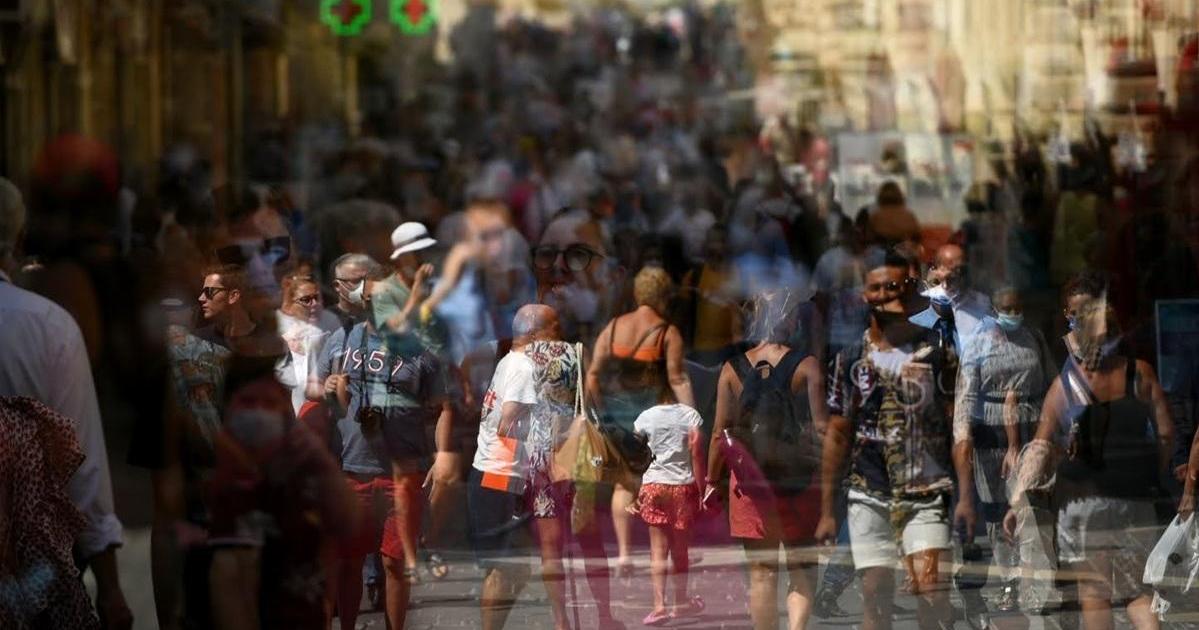
Malta already has the highest population density in the EU, and while labour-driven growth fuelled by immigration is expected to continue in the medium term, it is forecast to slow in the years ahead, the IMF said.
Malta’s population hit 574,250 by the end of 2024, marking a 1.9 per cent increase over the previous year, according to the latest available data released in July last year.
The growth was largely fuelled by net migration, which accounted for 10,614 additional residents. Of these, more than three-quarters (76.6 per cent) were non-EU nationals, highlighting the continued role of third-country migration in shaping Malta’s demographic landscape.
Of the total population, 70.6 per cent are Maltese citizens while 29.4 per cent are foreign citizens.
On the positive side, the IMF highlighted Malta’s “robust economic performance” which has continued despite global uncertainties, maintaining growth rates that exceed the EU average and a “sustainable” public debt.
“Growth is expected to slow to its potential rate of four per cent as labour-led expansion, supported by immigration, moderates, and gaming and tourism sectors reach saturation,” the IMF said.
It recommended policy priorities should focus on further strengthening fiscal buffers for “future shocks” while creating room for investment in infrastructure, human capital and innovation.
“Long-term growth will depend on reforms that boost productivity and address structural challenges,” the IMF said.
It highlighted banks’ “significant exposure” to property loans poses a vulnerability to Malta’s financial sector.
In other sectors, the IMF praised Malta’s “substantial improvement” in the efficiency of its courts, particularly in the reduction in the number of days required to resolve civil and commercial cases.
‘Major concern’
Reacting to the report’s analysis about Malta’s population growth, the Nationalist Party said the government “did not need to wait for an international report to confirm this reality”.
“Had it truly been listening to the people, it would know that this is a major concern. The policy of unplanned population growth, which has led to overpopulation and severe infrastructural strain, has failed.”
The Opposition pointed out that the government’s economic model had resulted in more than 100,000 foreign workers entering Malta over 13 years which has led to a population density “15 times higher than the European average”.
The PN said it was committed to address this “major challenge immediately” and reiterated its call for a “serious and credible” Labour Market Study to be carried out “properly”.