
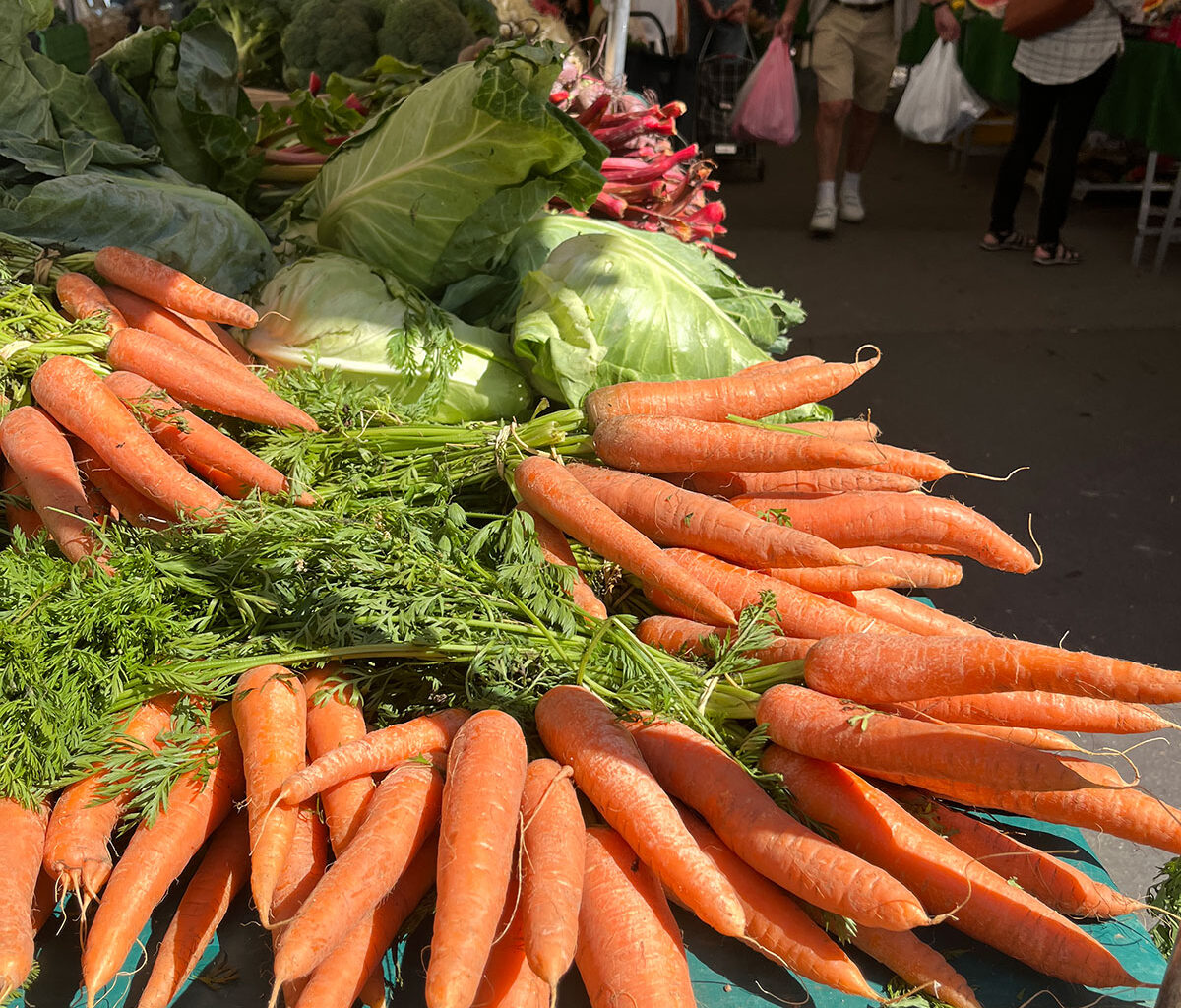
Oh, those village markets in France. What a delight.
Bowls of green olives, tapenade, nuts and dates. Fresh strawberries so sweet you could freeze them and grind them into sugar. Carrots, peppers, cabbages, peaches, nectarines, tomatoes — all fresh and bursting with flavor. Nearby are all manner of cheeses. Meats, including lots of duck in the Dordogne valley, fill the butcher’s stall and fruits of the sea are on ice at the fishmonger’s.
Nearby, you can buy belts, charms, bracelets, jewelry, bags, underwear, toys and more. These weekly markets are held just about every day of the week throughout France. They are a vital lifeblood of community life. Not only do they offer a place for local artisans to sell their goods, but they hum as arteries for people to connect and share.
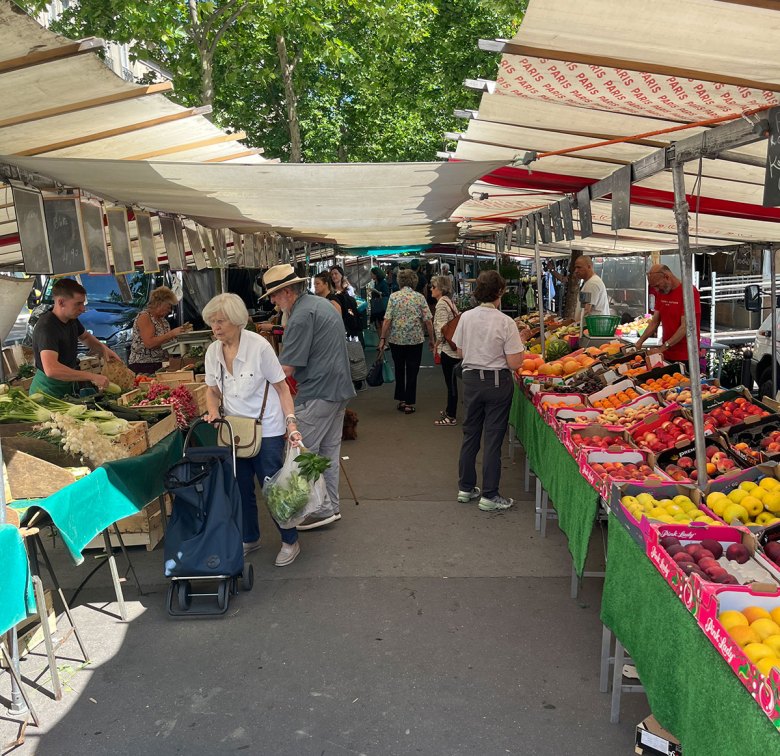 Photos by Andy Brack
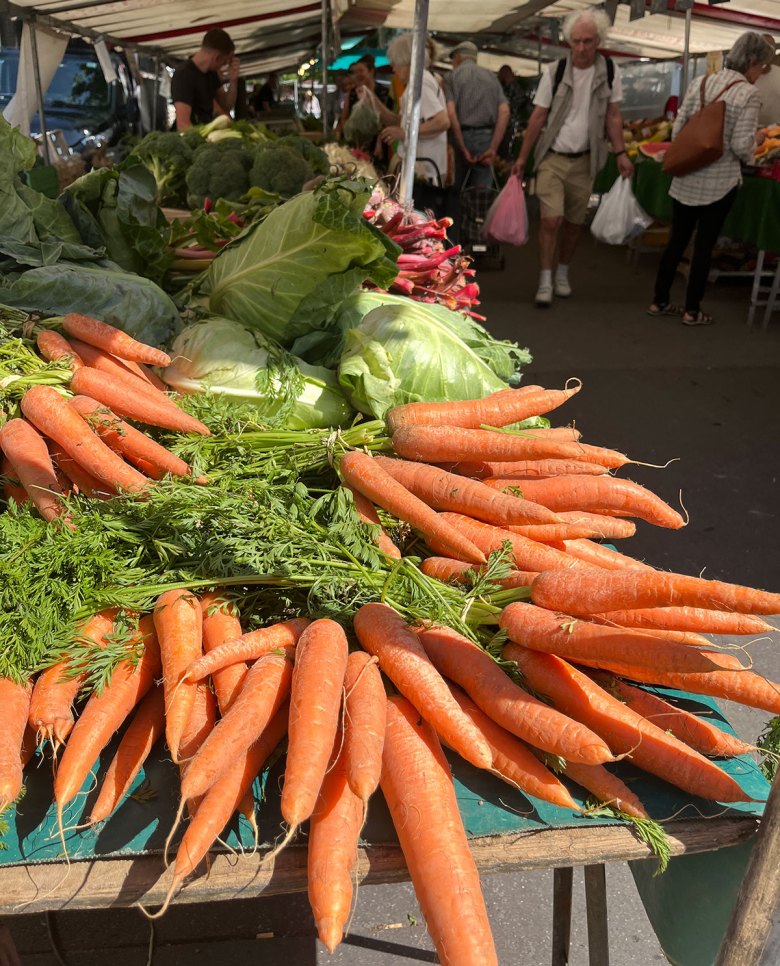 Credit: Andy Brack
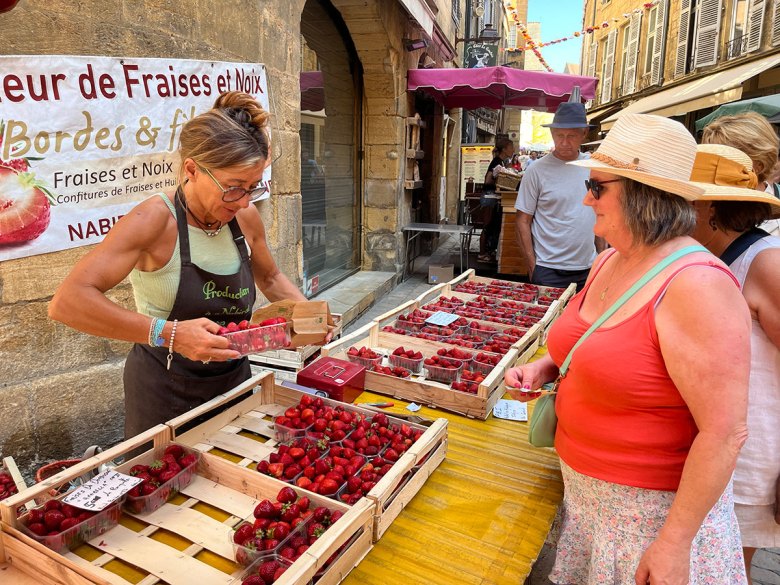
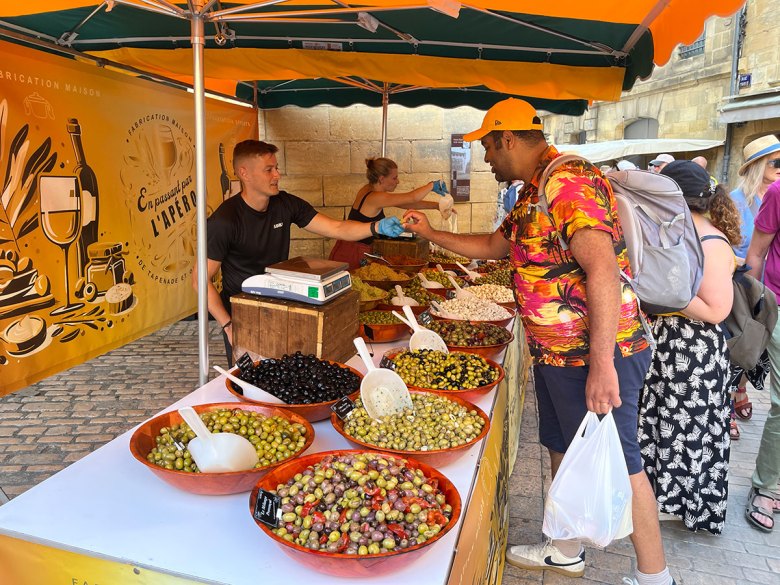
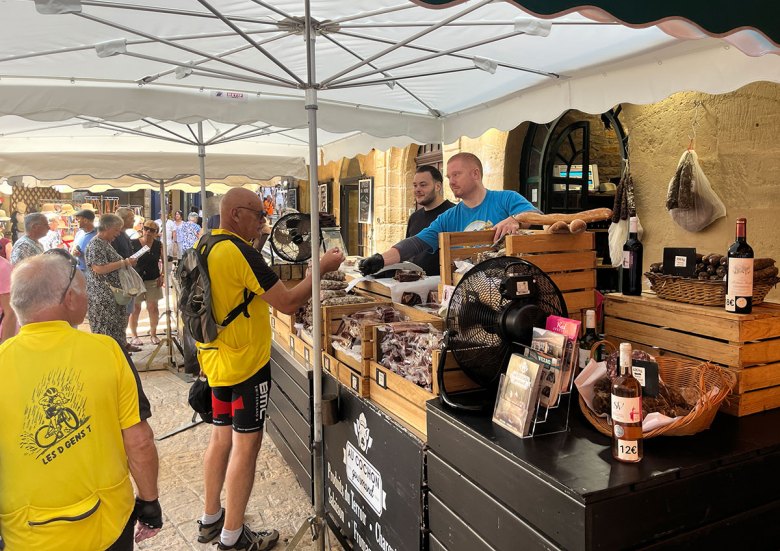
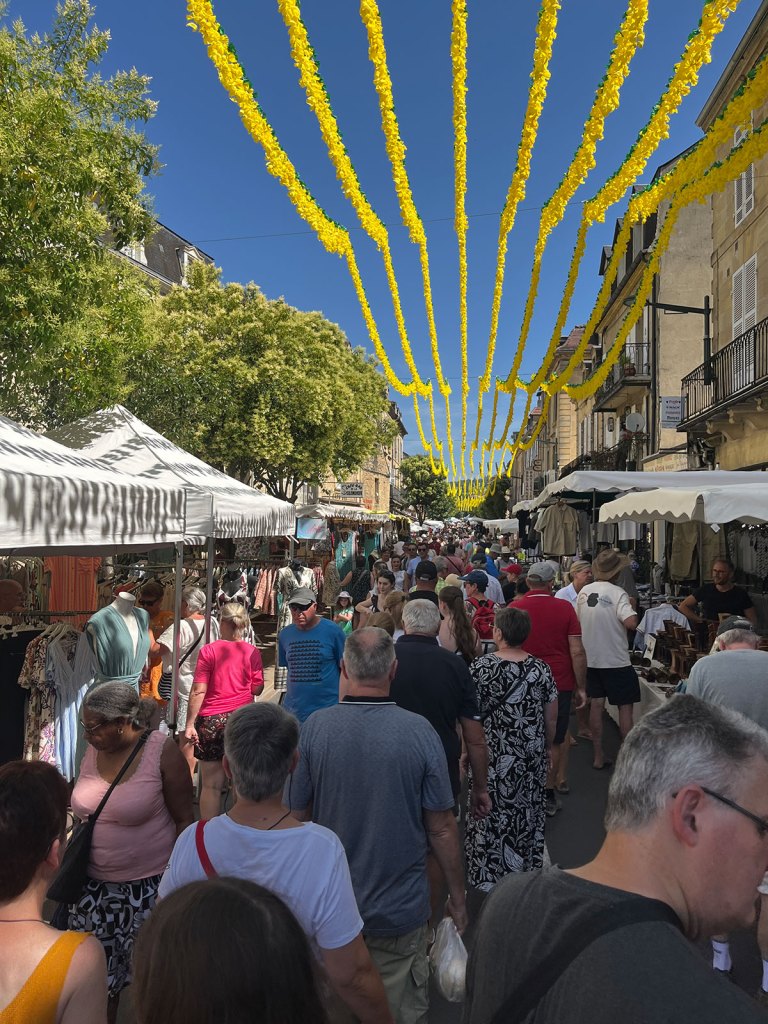
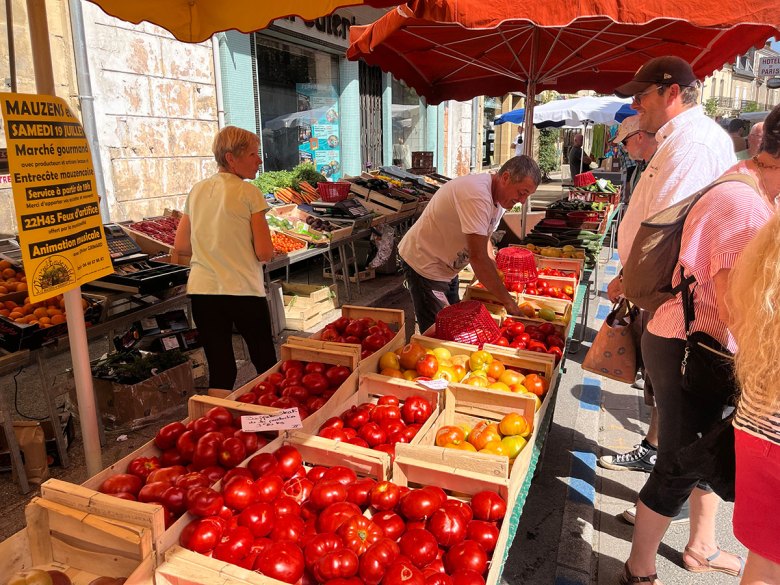
While French markets have flourished for hundreds of years and are a necessity for fresh food in places without grocery stores, farmers markets seem to be making a comeback across the Lowcountry. Charleston long has had a Saturday farmers market that gave truck farmers a place to sell produce and crafters a place to share their art. These days, there are at least 16 weekly summer markets in the area with at least one held every day of the week except Tuesdays or Fridays.
“The fact that you’ve counted 16 markets across the region is remarkable,” said Maud Bentley of Lowcountry Local First, which has been pushing the “buy local” mantra for years. “That tells me that the movement is not just surviving, but it’s thriving.
“Hopefully, we’ll see younger farmers step up into the space as older generations phase out. As Charleston continues to grow and become more diverse, we’ll likely see the local market scene evolve to reflect that cultural richness and diversity.”
Mount Pleasant’s Tuesday market
Mount Pleasant Mayor Will Haynie says part of his identity is being “Mayor at the Market” every Tuesday during market season.
He said having the market keeps Mount Pleasant’s sense of being a town, even though almost 100,000 people live there now.
“Despite our population size, we are still a town at heart and it shows at the farmers market,” he said. “I hear every week from our residents how much they love our market, and I sometimes also get an earful or two about town issues.
“It’s the happiest day in Mount Pleasant and wonderful to see residents gathering and having fun.”
Haynie said he has attended about 100 Tuesday markets to meet and greet residents.
“The experience has improved my connection with our residents and my knowledge of farmers markets. He said that the key to a good market is having quality vendors who show up reliably.
“The reason it’s not year-round is to stay a true farmers market and not become a craft show or flea market when produce is not in season.”
He added that the Tuesday market, around since 1998, has been so successful that residents in the northern part of the community wanted something there. So the town added a Makers Mart on Fridays in Park West, where he also shows up to hear from residents. It’s not as big, but it’s growing.
Colleton Museum’s two markets
Matt Mardell, who runs the Colleton Museum and Farmers Market in Walterboro, grew up in England among village markets. He thinks a big reason that markets are an integral part of communities there is because Europeans walk more than Americans.
“If we can walk to the shop, to the butcher, the baker, the grocers, the markets, even the pubs, that is what we do and therefore they (markets) just seem so commonplace and successful,” he said.
A few years back when Walterboro invested in a downtown museum, it included a commercial kitchen and a market to push the “buy local” message, Mardell said.
“The farmers at the stands are people of our community who do that very primal function of growing for sustenance,” he said. “They live here and they grow for her and locals respond to that. The Colleton Farmers Market has a very diverse range of shoppers who are very loyal and who visit frequently.”
The facility operates markets on Saturday mornings and Tuesday evenings.
“This is very much a community hub (with) the museum, the cafe with its lunch offerings coming out of the Colleton commercial kitchen food business incubator, the gift shop and the event space,” he said. “It makes being an entrepreneur so easy for our local growers and crafters.”
Mardell said that another advantage of the Colleton markets is that it has the ability to process EBT/SNAP transactions for customers who want to use food assistance through the state’s Healthy Bucks Program. That, he said, has increased accessibility across the community and makes the facility broadly attractive to lots of people.
“If we lost our market, we’d lose this diverse hub of activity right in the heart of our downtown that serves every single member of our community and had done in this format for almost 15 years.”
His advice for others who want to grow markets: “Keep it accessible and not too restricted and the possibilities are really endless for markets to provide community-responsive opportunities
for betterment.”
Sundays at the Pour House on James Island
That sense of community that one feels in a French village market is as thick as humidity at the Pour House on James Island every Sunday.
Meg Moore, who co-operates the market with former City Paper photographer Adam Chandler, said the James Island market was intentionally created to bring people together more
as a community.
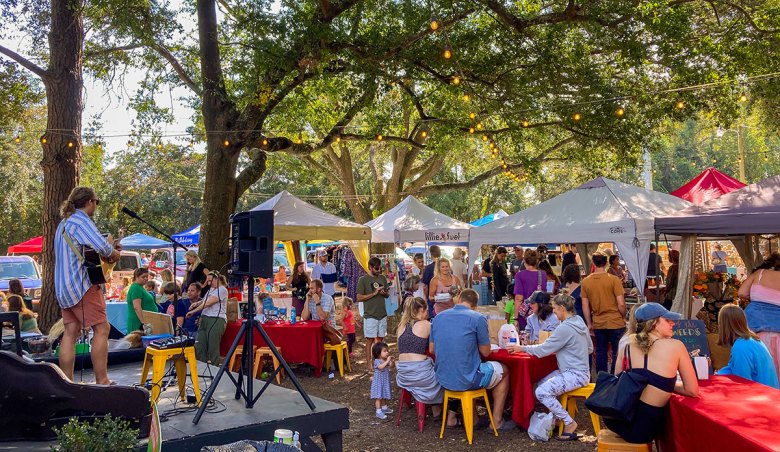 Photo courtesy Sunday Brunch Farmer’s Market
“We want to create this environment where you can come and relax and enjoy yourself — do your grocery shopping, hang out and meet some new people,” she said.
Not too long ago, a visitor told her that the Pour House market was very like a European market, which Moore said was a huge compliment.
“The energy here is good,” she said “It is the antithesis of being exclusive. Everybody is welcome.”
Part of the success of the year-round market is that vendors have the right energy and people seem to be cool with neighbors at the market. There’s yoga on the deck before the market gets going. Then live music starts at 11 a.m. And two hours later, the weekly house band cranks it up.
“The community vibe is alive and well at our market,” Chandler said, noting the market has been around for the last 10 years. “It’s really grown over the years and every Sunday it’s a full house with close to 50 vendors, including food trucks.”
Find markets near you
Markets are seasonal, unless marked by an asterisk indicating it is weekly.
Charleston
Charleston Farmers Market, Saturdays, Marion Square.
Goose Creek
Central Creek Farmers Market, 1st and 3rd Wednesday, 519 N. Goose Creek Blvd.
Goose Creek Farmers Market (*), Saturdays, 519 N. Goose Creek Blvd.
James Island
Sunday Brunch Farmers Market (*), Sundays, 1977 Maybank Highway.
Johns Island
Sea Islands Farmers Market (*), Saturdays, 2024 Academy Road.
St. John’s Farmers Market, Wednesdays, 3673 Maybank Highway.
McClellanville
McClellanville Growers Market (*), Saturdays, 711 Pinckney St.
Moncks Corner
Moncks Corner Farmers Market, Thursdays, 418 E. Main St.
Mount Pleasant
Mount Pleasant Farmers Market, Tuesdays, 645 Coleman Blvd. The weekly Makers Market occurs on Fridays at the Park West Recreational Complex.
North Charleston
Holy City Farmers Market (*), Sundays, 1021 Aragon Ave.
North Charleston Farmers Market, Thursdays, 4800 Park Circle.
Ravenel
Ravenel Depot Farmers Market, 1st and 3rd Saturdays, 5775 Highway 165.
Summerville
Summerville Farmers Market, Saturdays, 218 South Main St.
Walterboro
Colleton Museum & Farmers Market, Tuesdays, Saturdays. 506 E. Washington St.
West Ashley
West Ashley Farmers Market, Wednesdays, 55 Sycamore Ave.
Related

Help keep the City Paper free.
No paywalls.
No subscription cost.
Free delivery at 800 locations.
Help support independent journalism by donating today.
[empowerlocal_ad sponsoredarticles]