
Entrepreneurship is drawing increasing interest among Harvard students, driven by rising technology salaries and national shifts in the startup economy — though some investors and alumni say the University’s support for founders still lags behind peer institutions.
The recent rise in entrepreneurial engagement at Harvard has been driven less by institutional power than national pressure, according to venture capitalists, students, and alumni involved in the space.
Soaring technology salaries and broader shifts in the startup landscape have reshaped career incentives nationwide, prompting Harvard’s growing entrepreneurial culture to adapt in response, they said.
But some investors said that Harvard’s efforts — which they argued are driven in part by competition from institutions like Stanford and MIT — remain incomplete. William “Bill” M. Reichert ’76, a partner at the venture capital firm Pegasus Tech Ventures, said Harvard students who excel in entrepreneurship often succeed without significant institutional backing.
“The unfortunate tendency of smart people is to say to themselves, ‘Boy, I’m smart, so I should have the answer to this problem,’ and that is a potentially fatal flaw,” Reichert said. “Whereas savvy entrepreneurs are the ones who say, ‘I don’t know the answer to this one, but goddamn it I’m going to figure it out.’”
“Harvard is not well known, particularly, for filtering for savvy,” he added.
Reichert attributed what he described as Harvard’s relatively limited startup culture to a longstanding emphasis on high-achieving professional paths — including law, finance, and consulting — over the risk and uncertainty of entrepreneurship.
“The people who go to MIT are not going to MIT to become professionals, right? Overwhelmingly, the people who go to Harvard go to Harvard to become professionals,” he said.
A spokesperson for the School of Engineering and Applied Sciences declined to comment for this article.
But Paul A. Baier, an entrepreneur and fellow at Harvard Business School, said rising compensation in the tech sector has led to entrepreneurial paths becoming more attractive to Harvard students.
“When I was in business school, the high salaries were investment banking. It wasn’t in tech. You went to tech for like, a third of what you make in banking,” he added.
Several Harvard students said they have begun to see the outlines of a more defined entrepreneurial ecosystem, pointing to informal venture capital outreach and University-backed programs.
Skye Lam ’26, who founded MabLab, a startup developing a test for drug-lacing agents, said Harvard provided him early access to networks that helped him get his “foot in the door.”
“The fact that there’s a good track record from Harvard definitely does help. I think the second part is also a lot of the top firms, there’s usually at least one Harvard alum who you could reach out to,” he said.
Julia Alvarenga ’26, an Economics concentrator interested in startups, said Harvard students interested in entrepreneurship are increasingly connecting with venture capitalists through informal channels like private dinners or small networking events.
“Every week, there are VCs who host dinners for Harvard students,” she said. “That happens mostly outside of the official Harvard system, but they recruit people from Harvard, and then we go to places around Harvard Square and Boston — but all of those connections came from the classes and the programs.”
Spaces like the Harvard Innovation Labs, founded in 2011, have become a fixture of Harvard’s creative ecosystem, while newer programs like the Lemann Program on Creativity and Entrepreneurship have focused on connecting students with seed funding, coaching opportunities, and incubators.
Since its founding in 2020, the Lemann Program has distributed more than $365,000 in seed grants, offered courses around entrepreneurship, and hosted accelerator programs like the Harvard Healthlab Accelerators.
But offerings like these must ground a broader shift in culture, according to Reichert. The first step for Harvard, he said, is “figuring out how to develop an entrepreneurial mindset in a broader base.”
“People who are focused on entrepreneurship are not mainstream at Harvard, whereas they are mainstream now at Stanford, and at MIT, and in the engineering school at Berkeley. That cultural context also affects the performance,” he said.
Alvarenga said she has observed similar gaps between Harvard and peer institutions with more established entrepreneurial ecosystems.
“I have so many friends from Stanford involved in the entrepreneurial space, and I talked to them, and they’re like, ‘Whoa, I had this and then I have this program and this club that took me to this place, connected me to that place,’” she said.
“The abundance of resources is insane, if you compare it to Harvard,” she added. “But I’m very glad that people are trying to bring that spirit. I think the shift is happening because of the democratization of access to resources.”
Outside of direct programs and funding for early-stage ventures, entrepreneurship has begun to permeate course offerings.
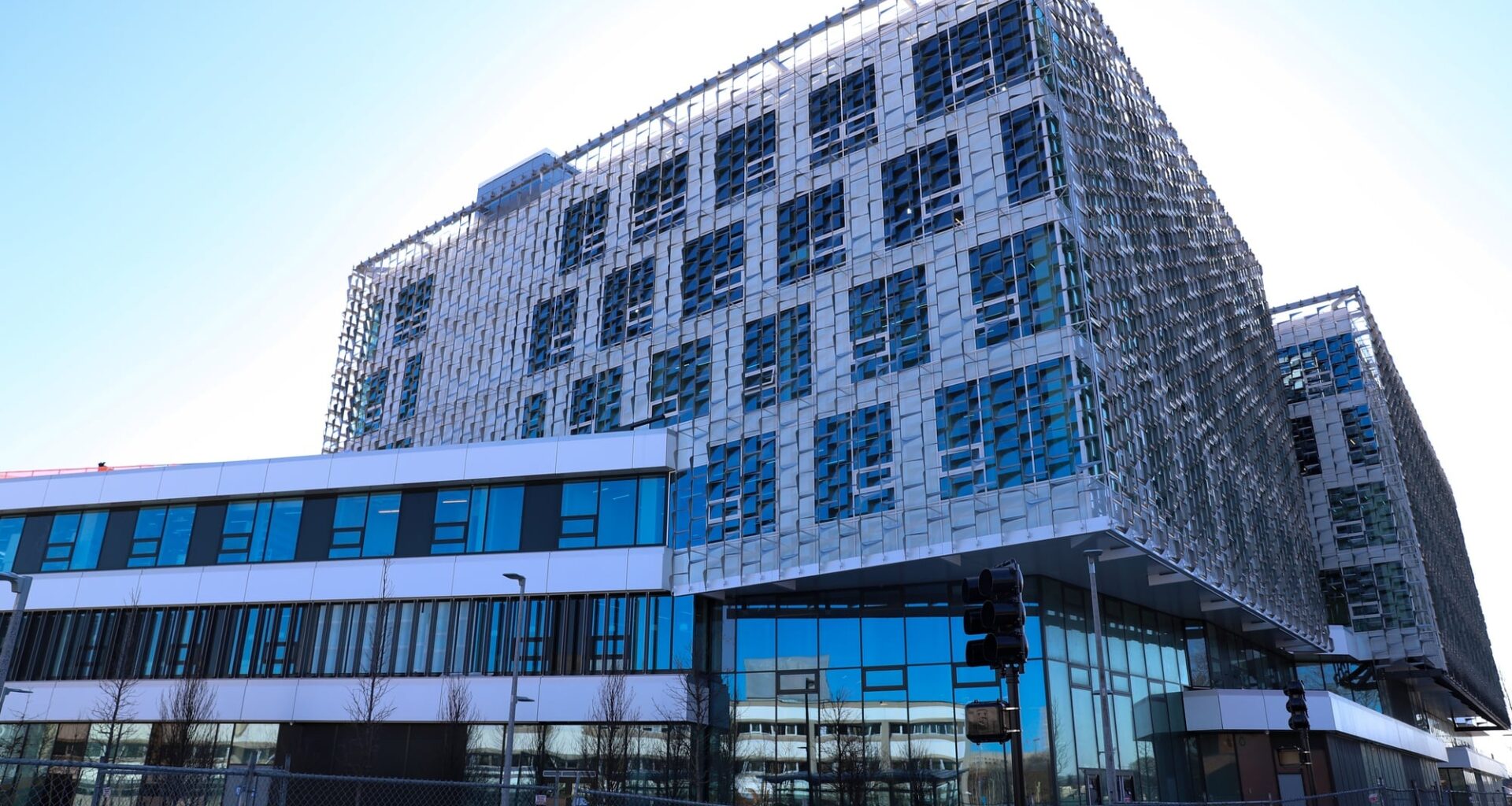
Courses such as GenEd 1192: Philanthropy, Nonprofits, and the Social Good and MCB 102: Creativity, Innovation, and Entrepreneurship in the Life Sciences now incorporate entrepreneurial frameworks, while SEAS and the Enterprise Research Campus in Allston are increasingly supporting venture-oriented work.
“SEAS has been a wonderful addition. I know it’s the other side of the river, but beautiful building, and it’s great.” Baier said. “From all that, I think the word is still getting out slowly. I think some of the VCs are aware of it, but not everyone. It’s got a lot of potential.”
—Staff writer Sidhi Dhanda can be reached at [email protected] and on Signal at sdhanda.05. Follow her on X @sidhidhanda.
—Staff writer Stephanie Dragoi can be reached at [email protected] and on Signal at sd3.28.