
Home » Latest Travel News » Breaking News: The US Is About to Make Social Media History a Mandatory Requirement for ESTA – UK and European Tourists May Face New Restrictions and Major Delays!
Published on
February 13, 2026
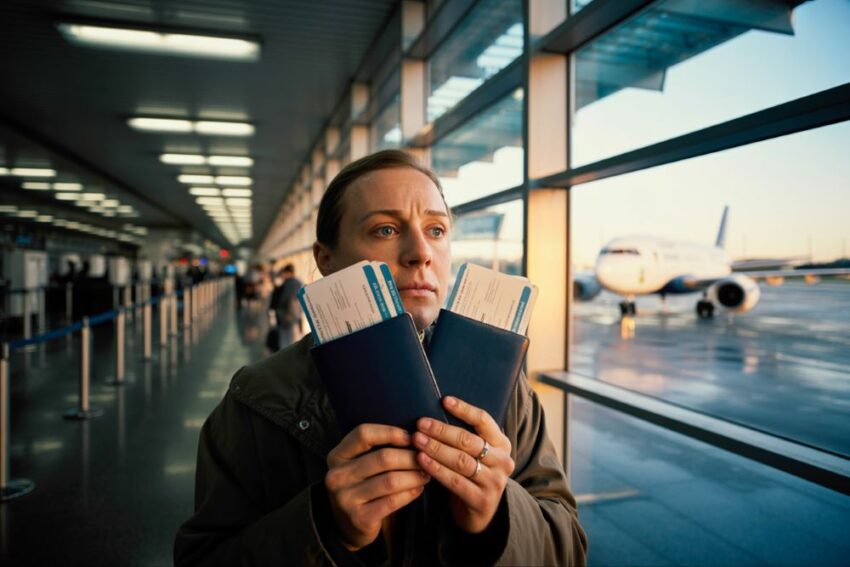
Planning to visit the United States anytime soon? Brace yourself, because the U.S. government may be about to introduce a major change to the way international travellers, including those from the UK and Europe, are allowed to enter the country. As part of an effort to bolster national security, U.S. Customs and Border Protection (CBP) has proposed a drastic shift that could require visitors to submit five years of social media history when applying for the Electronic System for Travel Authorization (ESTA). If this plan moves forward, travellers from countries that currently benefit from the Visa Waiver Program (VWP) could face a much more invasive entry process than ever before.
This change could drastically affect the travel experience for millions of tourists — but is this the beginning of an era where personal data is everything?
Why This Change Could Impact Your Upcoming U.S. Holiday
The Visa Waiver Program (VWP) allows citizens from 39 countries, including the UK, Germany, France, and Australia, to visit the United States for up to 90 days without the need for a visa. But soon, a major ESTA overhaul could put a stop to the days of simple, quick travel authorization. A new proposal would require visitors to provide detailed social media history from the last five years. And it’s not just about sharing your handle – this new rule could involve providing access to personal posts, messages, and interactions, potentially giving the U.S. authorities a comprehensive view of your online life.
The proposal was released through the Federal Register on December 10, 2025, and aims to take effect in 2026. It reflects a broader shift towards security-driven travel, with authorities aiming to better understand who is entering the country and what kind of information they are sharing online.
What Could This Mean for Your ESTA Application?
If this proposal passes, the ESTA application process — which is already required for travel under the VWP — will expand to include much more personal information. Along with the usual questions about personal details and travel intentions, applicants will need to disclose:
Social media accounts used in the past five years, including posts, activity, and connectionsPhone numbers and email addresses used during this periodFamily member details, including names, birthdays, and contact infoPotential biometric data like facial recognition and fingerprint scans
While social media disclosure has been part of the ESTA application since 2016, it was previously optional. Now, the proposal would make it mandatory, opening up new debates about privacy and freedom of expression.
Advertisement
Advertisement
Privacy Concerns: Are We Sacrificing Our Data for Security?
The proposal has sparked fierce debate, with many critics raising concerns about the privacy implications of such sweeping data requests. Privacy advocates and travel organizations argue that requiring five years of social media activity may violate personal freedoms and create barriers to travel. They warn that this could lead to an unprecedented level of surveillance, potentially discouraging tourists who value their online privacy.
Authorities claim the changes are meant to strengthen national security and better track individuals who may pose a threat. But with these changes, U.S. authorities would have unprecedented access to travellers’ personal lives, online relationships, and even potentially sensitive data shared with friends or on public platforms.
Advertisement
Advertisement
What Data Is at Risk? Unpacking the Social Media History Requirement
Under the new rules, it’s not just about listing which social platforms you use. The ESTA application could demand:
Facebook, Twitter, Instagram, LinkedIn, and TikTok accounts, with public and private posts exposedPhoto metadata, which can track location data, and your geotagged photosA comprehensive look into your communications, such as posts or messages that could reveal travel plans, political views, or personal affiliations
The social media history requirement essentially means that any publicly accessible data about a traveller could be subject to U.S. government review before they are allowed entry.
What’s Next for International Travelers to the US?
The proposal is currently open for public comment, and the U.S. government will review feedback before making any final decisions. The public comment period ends on February 9, 2026, and the rule could be finalized shortly after, potentially making the new changes official.
As of now, the CBP insists the change is intended to improve security and better vet who enters the United States. If approved, however, the proposed changes could result in longer processing times for travelers, more data storage concerns, and potential discrimination against individuals who feel uncomfortable sharing private social media histories.
What Does This Mean for Your Travel Plans?
For many UK and European travellers, this shift in U.S. policy could create confusion, delays, and even travel barriers. Tourists will likely need to weigh the trade-off between sharing personal data and the privilege of entry into the United States. The ESTA application could become more cumbersome than ever, with social media histories potentially influencing whether a traveller is allowed to board a flight.
Tourists who have not previously shared their social media history may find themselves under scrutiny, having to disclose information that they never thought would be necessary for international travel. And for those from regions with heightened security risks, this could mean even more invasive steps before they even get on a plane.
What Happens Next?
The decision is not yet final. After the public comment period ends in February 2026, U.S. authorities will review all the feedback before finalizing the rules. If approved, expect to see these changes rolling out later in 2026.
For now, travellers are advised to stay informed and monitor developments from official U.S. government sources, such as CBP, the Department of Homeland Security, and the Federal Register. This proposal could set a precedent for future changes to how the United States interacts with international visitors — making the rules around travel more intrusive, and the process more detailed than ever before.
