
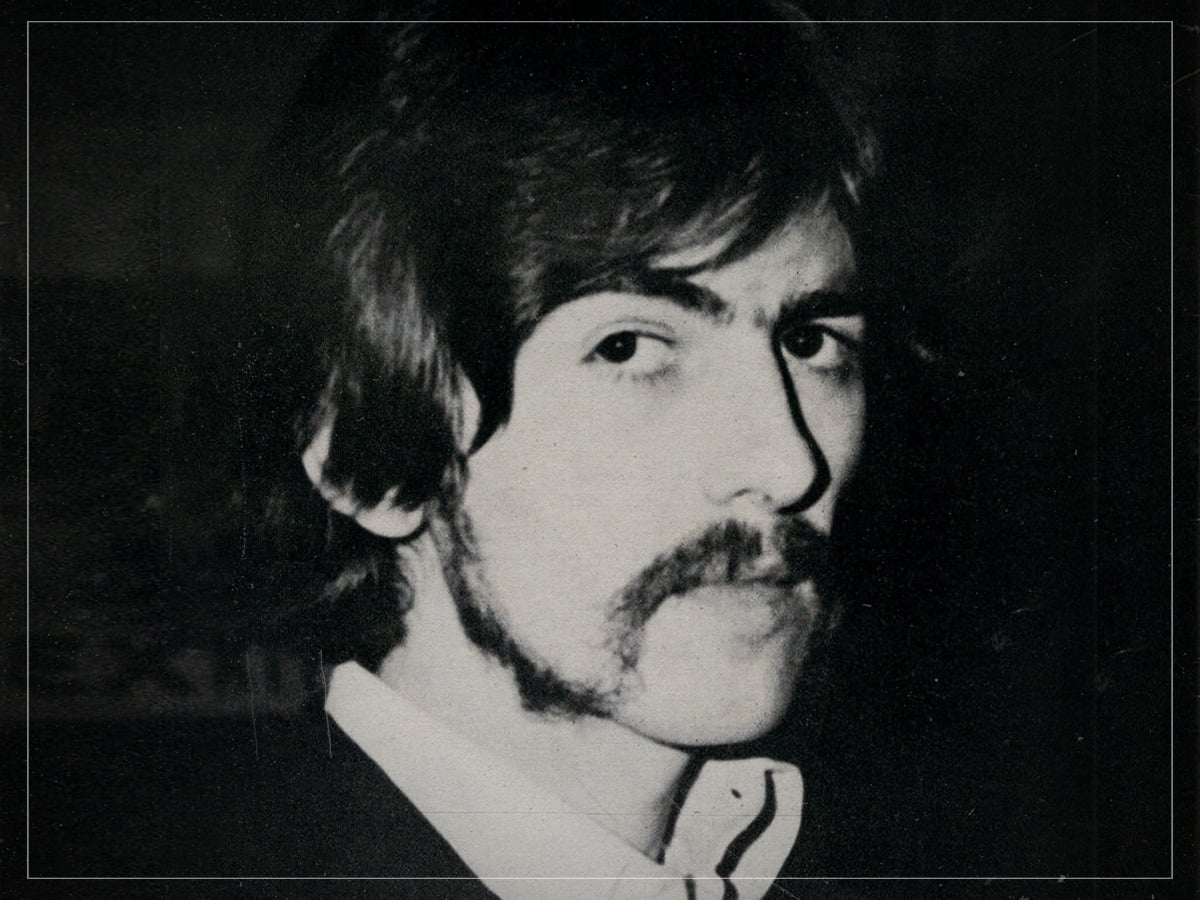
(Credits: Far Out / Bradford Timeline)
Fri 13 February 2026 4:00, UK
The Beatles were some of the greatest songwriters to ever set foot on this round ball we call Earth, and therein lies the problem.
“When I heard The Beatles, I knew what I wanted to do,” said Ozzy Osbourne in an interview with Blabbermouth. “My son says to me, Dad, I like The Beatles, but why do you go so crazy? The only way I can describe it is like this, ‘Imagine you go to bed today and the world is black and white, and then you wake up, and everything’s in colour. That’s what it was like!’ That’s the profound effect it had on me.”
In this small quote, Osbourne captures the magic of The Beatles incredibly well, they had a sound that was delightfully infectious, one which allowed the public to re-engage with music and start having fun again, and this might sound like a somewhat ambiguous assessment of the Fab Four, but in post-war Britain, fun was still being rationed out as the country tried to get back on its feet following the devastation that World War II had brought with it.
In walk The Beatles, a band who were made up of complete individuals who were capable of working together in wonderful harmony. “I remember Keith Richards saying to me, ‘You had four singers. We only had one,’” said Paul McCartney when discussing what made the band such a stellar outfit. It wasn’t just that they were all singers, though, but songwriters as well.
This worked in the bands’ benefit during the early days, as they had pressure on them to write great songs (and a lot of them at that), so having this many minds contributing to the band’s overall sound meant they were able to overcome whatever creative hurdles were placed before them. The joy lay in their differences, not their similarities. This was great at first, but it led to friction within the band later down the line, as they wanted to take The Beatles in different directions and couldn’t agree on what that direction actually was.
This was particularly an issue for George Harrison, who was constantly writing songs for the band but receiving pushback as it was felt his style of writing didn’t quite suit the quintessential Lennon-McCartney sound, which The Beatles had built their entire identity around. As the band grew more experimental in their output, what that Lennon-McCartney sound actually was became harder and harder to understand, and as such, Harrison was left even more confused as to why his music wasn’t getting recorded.
When the band were working on the album Sgt Pepper’s Lonely Hearts Club Band, it had become clear that Harrison was struggling to find motivation in what The Beatles were doing. He would always try to write songs to be included on different projects, but his offering of ‘Only a Northern Song’, which he wrote for the Fab Four’s concept album, fell way short of the mark. Even producer George Martin said, “I’m disappointed that George didn’t bring something better,” when discussing the track. It ended up being left off of Sgt Pepper and eventually found a home on the band’s later release, Yellow Submarine.
While struggling to fit in with the band during this period, though, George Harrison was going through a phase of self-discovery – he had developed a newfound obsession with Indian music, particularly the work of Ravi Shankar, who helped him play the Sitar and better understand the layers of the complex instrument, and while he may not have written a great deal for the band, this period of self-improvement did end up contributing to The Beatles (namely their song ‘With You Without You’), and even more so to Harrison’s solo career, which would come later.
“[The Sitar] has taken over 100% of my musical life,” said Harrison, “I still love rock, pop and electronic music. But there’s more to get immersed in, for me, in Indian [music]. I shall try to write more songs, and I think it can all be integrated into The Beatles quite nicely if I can keep improving.”
XTC guitarist Andy Partridge (and many others) praised Harrison’s ability to combine these different styles of music and felt as though it helped people travel to different parts of the world without leaving their home. “George Harrison, on his own, opened up India to England,” he said.
Concluding, “The man brings back a sitar and flirts with sitar lessons and all of a sudden, India means things to people… Single-handedly, George Harrison brought India to English consciousness. In a non-colonial and non-judgemental kind of way.”