
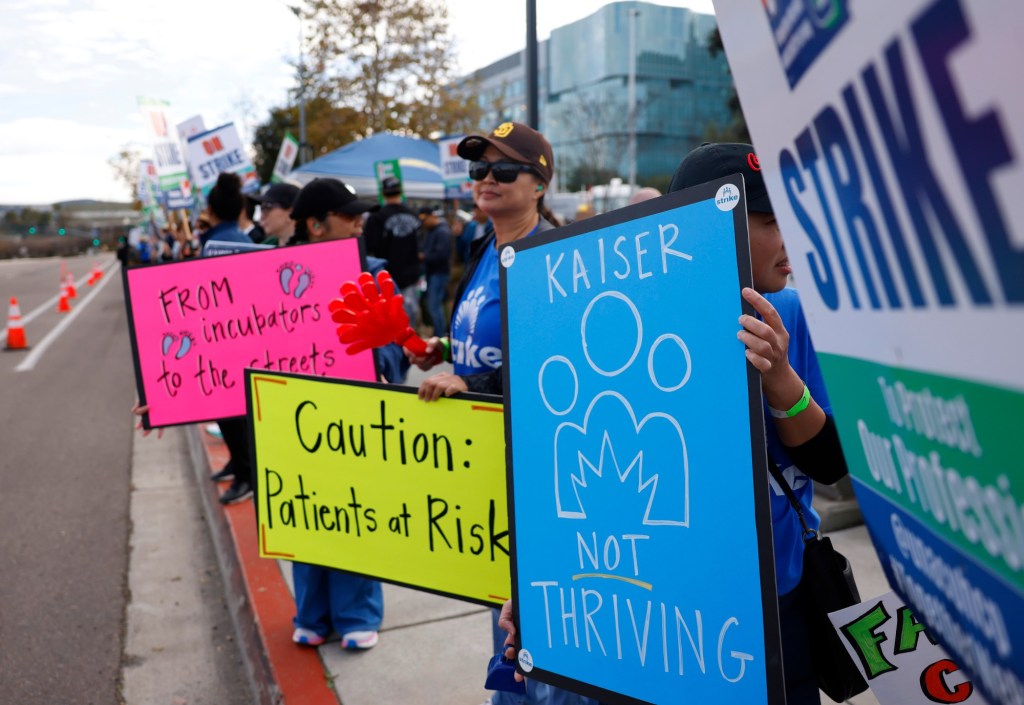
Kaiser Permanente nurses are headed into the fourth week of their open-ended strike, with pharmacy and lab technicians ratcheting up the pressure last week by forcing the health care giant to temporarily close pharmacies frequented by thousands of patients. While technicians returned to work, the main strike, declared on Jan. 26, continues.
While most health care strikes, especially those involving front-line workers such as nurses, tend to continue for a few days, perhaps a week, this work stoppage has no pre-arranged end date, leaving Kaiser members with no clear understanding of when care might return to its normal pace.
The rhetoric remains strong from both sides of this stalemate, with Kaiser insisting that the 21.5% across-the-board raise it has offered would push annual pay past $200,000 per year for many nurses. But the United Nurses Associations of California/Union of Health Care Professionals, which represents more than 30,000 nurses, pharmacists, and other workers on strike, accuses Kaiser of ignoring its demands for better staffing, noting that the health care giant’s financial statements list billions of dollars in reserves.
As the weekend arrived, Kaiser Permanente San Diego reported that while its pharmacies in Escondido and Clairemont Mesa reopened on Thursday, locations in Rancho Bernardo, Carlsbad, Carmel Valley, Point Loma, Kearny Mesa and Rancho San Diego were still offline as of Friday afternoon.
Claims and counterclaims can be difficult for the public to verify, but it is clear that Kaiser’s more than 600,000 members in San Diego County alone are caught squarely in the middle of this labor dispute. The San Diego Union-Tribune requested comments from the public last week on how individual circumstances were affected, good or bad. Ten agreed to share their experiences.
Adele Buono of North County said that she has had four appointments for lab work since the strike began and all have gone smoothly. “No long waits, no delays, everything on time,” Buono said. “Kaiser has been very communicative prior to the appointments. Kaiser is great at patient communication. I have no complaints.”
 Frances Dalton (Courtesy)
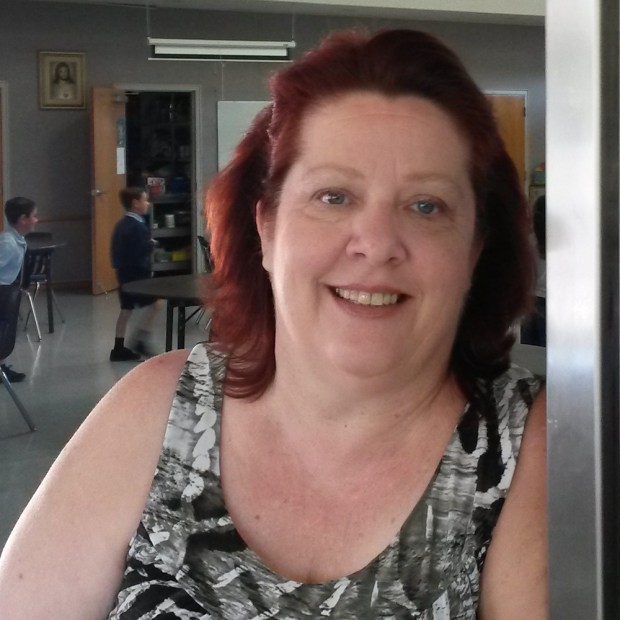
Frances Dalton of Escondido said Kaiser was able to keep her appointment with one of its orthopedists during the strike. The visit, she said, went smoothly.
“I would not have crossed the picket line if I hadn’t been waiting on this appointment for a while,” Dalton said. “However, I was taken care of very well and efficiently.
“A couple of people assisted me because I was having trouble walking, and they were so very nice. I apologized for having to cross the line. I hope it ends soon.”
 Ricardo Callado (Courtesy)
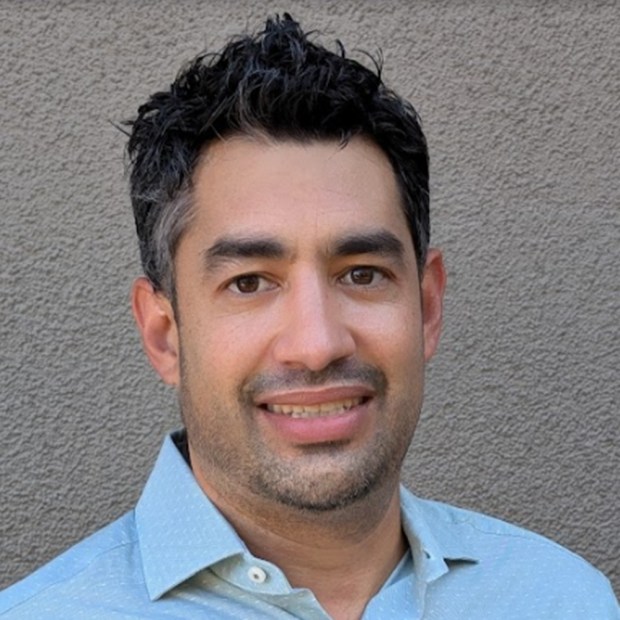
Ricardo Callado of North Park has grown accustomed to spending time on hold with pharmacies to locate a monthly dose of the ADHD medication that he has taken for 10 years. But finding a refill has recently been extra difficult.
“With the strike, you can’t get a human on the phone at any pharmacy, and the automated prompts won’t process controlled medications,” Callado said. “I’ve been forced to message my doctor directly and have prescriptions sent to open pharmacies blindly, without any way to verify if the medication is in stock. If they don’t have it, I have to start the entire process again with a different pharmacy.”
 Sandy Early (Courtesy)
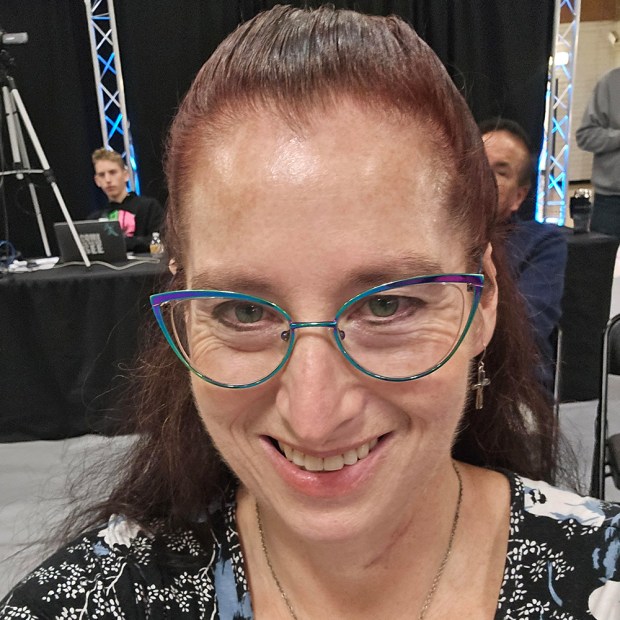
Sandy Early of La Mesa orders 30-day supplies of ADHD medication for her daughter. Like Calado, the requirements for pick-up have been difficult with pharmacies shut down.
“The delay in filling a prescription is ridiculous!” Early said. “Kaiser talks about having a ‘robust contingency plan’ in place, but it appears to be anything but robust! What a disgrace not to plan better. Possibly causing us to run out is negligent!”
 Dawn Minutelli (Courtesy)
Dawn Minutelli of La Mesa said she had a knee replacement in 2024 but has been struggling with debilitating complications of infection ever since. A critical procedure scheduled for Feb. 6 to alleviate her pain was moved to Feb. 23 because of the strike.”They can’t guarantee that it won’t be canceled,” Minutelli said.
 Amy Etheridge and mom Helen Hartin (Courtesy)
Amy Etheridge of Del Cerro took her mother into a Kaiser facility on Friday, one day after her regular cancer appointment was cancelled. But a previous appointment two weeks ago never happened. The experience, she said, was far from comforting on a recent visit.
“She said, ‘I just didn’t think that anyone would say ‘if you don’t get chemo, you’re going to die, and then cancel my appointments,’” Etheridge said.
 Kirsten Peraino (Courtesy)
Kirsten Peraino of Oceanside had her monthly migraine infusion appointment canceled due to the strike and learned Friday that an epidural shot on the books since November also would not happen until the strike is resolved.
“I have multiple chronic health issues that are managed through a variety of specialists, and the strike has impacted my ability to have a decent quality of life,” Periano said. “Who knows how long I’ll have to wait for the epidural to be rescheduled.”
 Mike Stevens (Courtesy)
Mike Stevens of San Clemente said that an emergency room visit for his child on Friday night, Feb. 6, was problem-free.
“It wasn’t really an ER situation, but there was definitely a need to see a doctor, and urgent care had closed 15 minutes prior. We arrived at 9:30 p.m. and were home at 12:30 a.m., and that includes 30 minutes in the after-hours pharmacy.
“I was pretty happy with three hours total compared to every other ER experience I’ve ever had, Kaiser or otherwise. Nursing staff were present and attentive, so I really didn’t feel any negative effects of the strike.”
 Tara Vlahakis (Courtesy)
Tara Vlahakis of Chula Vista said she and her two children waited three hours to be seen and receive antibiotics at the Kaiser facility in Otay Mesa after her two-year-old suffered a painful double ear infection. She found the whole cramped experience unacceptable.
“I respect workers advocating for fair treatment, but patients, especially families with young children, are paying the price for a system that is clearly broken,” Vlahakis said. “This experience left me angry, exhausted and feeling completely disregarded as both a patient and a parent.”
 Sarah Ramet and her son, Hudson. (Courtesy)
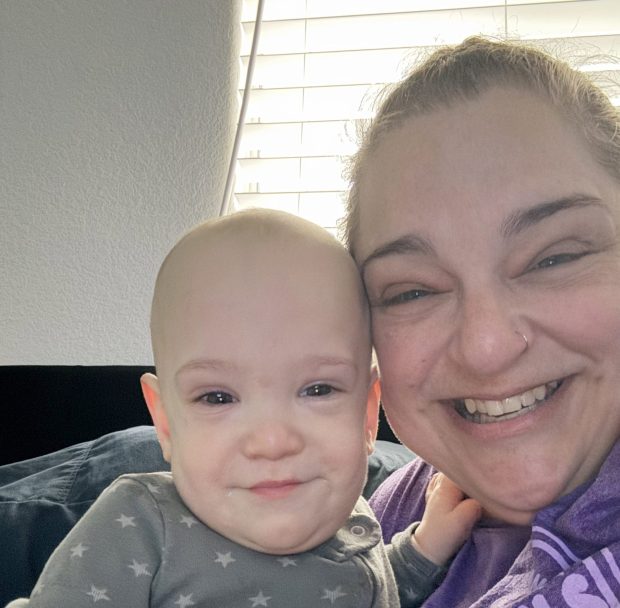
Sarah Ramet of Lakeside said her son, Hudson, born 23 weeks premature in 2024, was scheduled for hernia repair surgery on Jan. 27, but that procedure was delayed until Feb. 16 due to the strike.
“We are hoping that it doesn’t get rescheduled again since the strike seems to be still ongoing,” Ramet said. “My son needs to have this surgery, and while it isn’t life-threatening, if left untreated, it can grow larger and more painful and even become life-threatening.”