
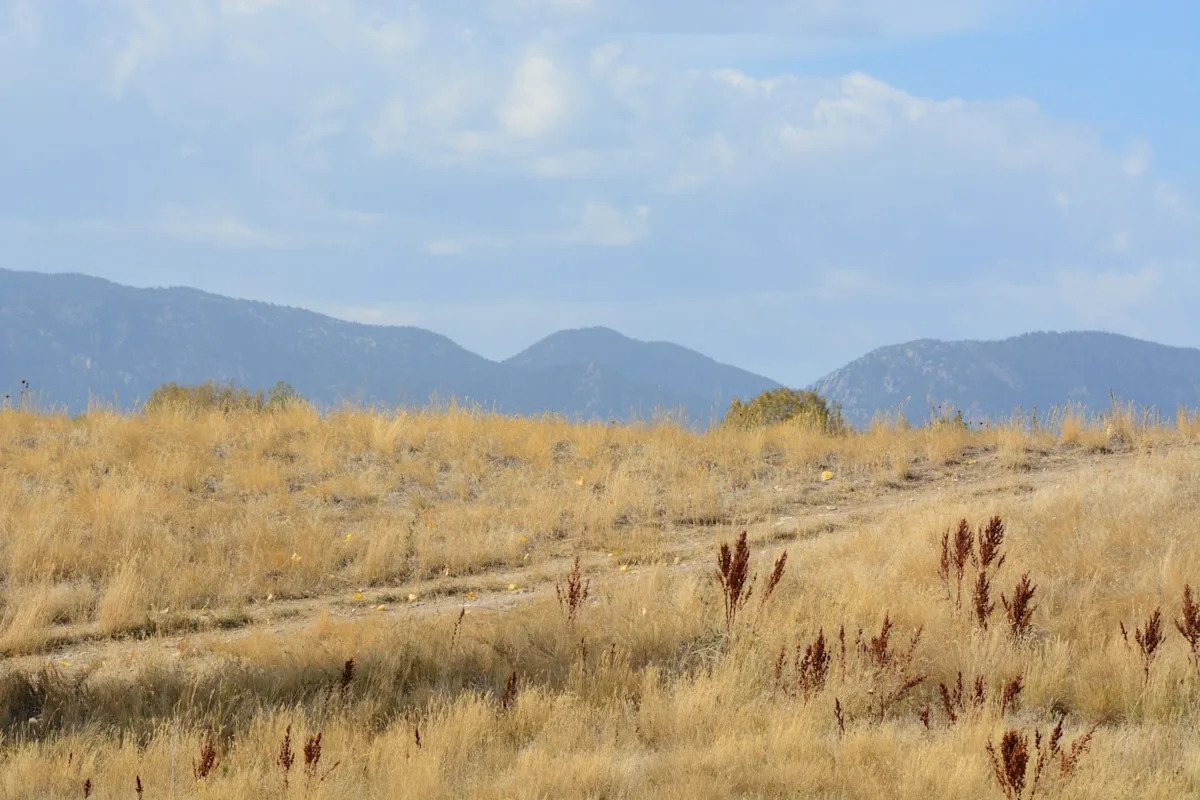
Colorado’s snowpack has fallen to record-low levels in parts of the state, sounding alarms about worsening drought conditions and water shortages.
What’s happening?
According to Fox 31, roughly 3.3 million Coloradans are living in drought-affected areas as snowpack levels fall far below normal for this time of year. Snowpack in the Rocky Mountains acts as a natural reservoir, slowly melting in spring and summer to replenish rivers, reservoirs, and groundwater supplies.
This year, the state is near record lows — roughly 51% of the average. That could reduce runoff into major waterways, including parts of the Colorado River system, which supplies water to millions of people.
This isn’t limited to one state, either — Oregon, Colorado, and Utah have all reported their lowest statewide snowpack since the early 1980s.
“What we’re seeing across the West is the mountain snowpack is starting to shrink,” Snow and Ice Data Center Director Mark Serreze told Fox 31. “The snowpack doesn’t really start to develop as early in the autumn as it used to, and we’re starting to see the melt occurring earlier.”
While dry winters aren’t unusual, scientists say there’s a difference between isolated weather events and longer-term trends. Snow droughts have always occurred, but rising global temperatures are increasing evaporation rates and shifting precipitation patterns, intensifying the severity and frequency of these dry spells. Scientists agree that human activity is a major driver of this warming.
Why is reduced snowpack concerning?
Experts warn that the situation could have serious consequences for communities, agriculture, and ecosystems that depend on consistent spring runoff. “This is not going to be good; it’s going to be a problem down the road,” said Pinpoint Weather Meteorologist Travis Michels.
It raises concerns about the Colorado River water supply, an essential resource to many states in the Western U.S. Beyond water supplies, reduced snowpack is not great for Colorado’s economy. Local ski resorts have already been cutting employee hours, and businesses that rely on ski tourism will undoubtedly see lower revenues.
Warmer winters in the region also increase the risk of wildfire, putting residents, property, and wildlife in greater danger.
What’s being done about low snowpack?
While Nathan Elder, Denver Water’s manager of water resources, said the state still has about three more months of potential snowfall (March and April are the snowiest months), “the chances of fully catching up to ‘normal’ snowpack this year are dwindling.”
Meanwhile, states that rely on the Colorado River are negotiating how to share a dwindling water supply. That includes implementing water restrictions to conserve supplies.
“If we don’t choose how to live within the river’s limits, the river will choose it for us, and she will not be gentle,” Becky Mitchell, Colorado’s top river negotiator, said in a recent speech, according to Colorado Public Radio.
Get TCD’s free newsletters for easy tips to save more, waste less, and make smarter choices — and earn up to $5,000 toward clean upgrades in TCD’s exclusive Rewards Club.