
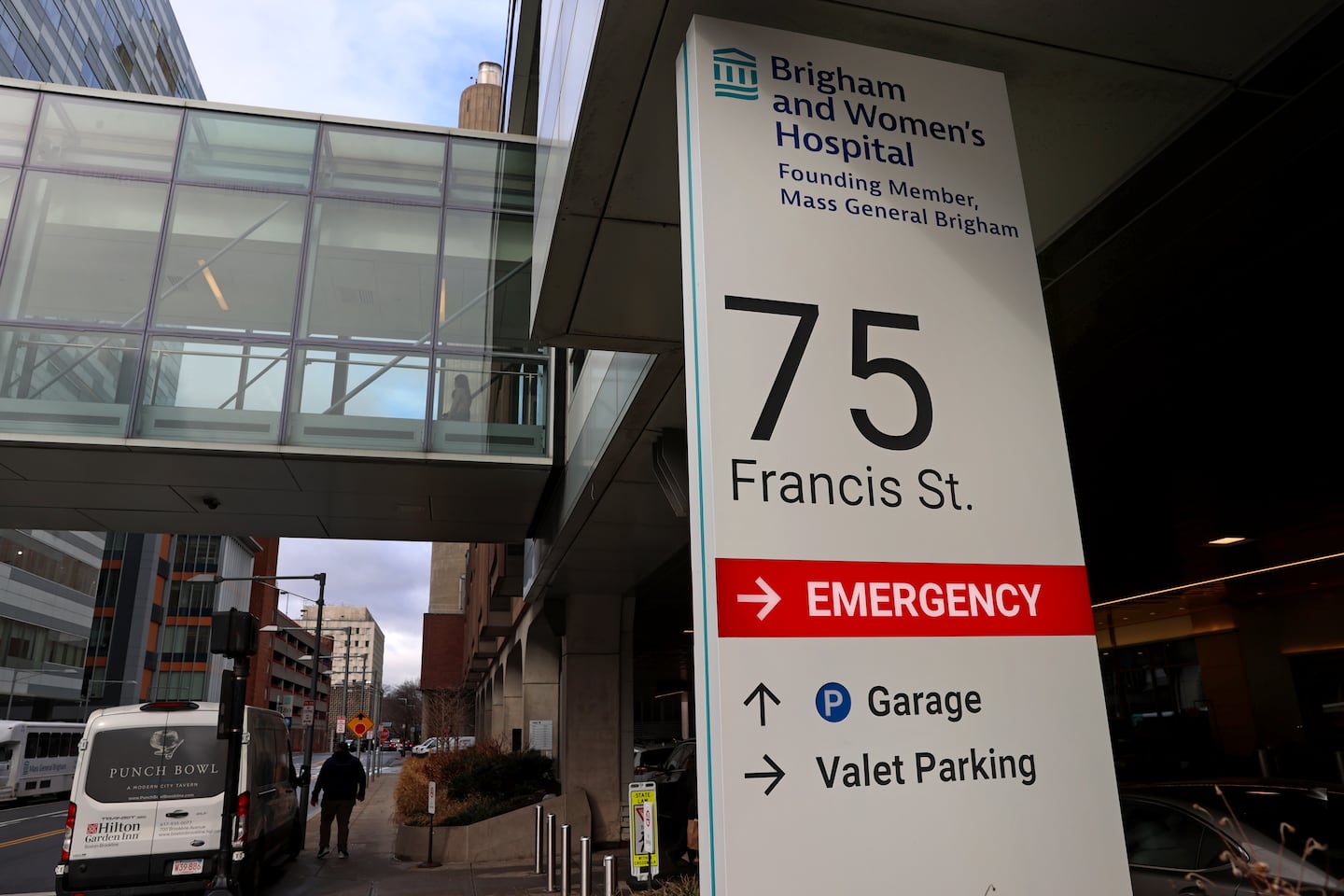
The state has ordered Mass General Brigham to provide more information to justify its plan to close the inpatient burn unit at Brigham and Women’s Hospital and combine it with a larger one at Massachusetts General Hospital.
The Department of Public Health wrote to a lawyer for MGB that services provided by the Brigham burn unit “are in fact necessary for preserving” the health of people who suffer burns in the area. As a result, the state ordered the health care system to provide a plan within 15 days describing how it will care for patients after eliminating that unit.
The Feb. 4 letter was provided to the media Tuesday by the Massachusetts Nurses Association, the union that represents nurses at Brigham’s 10-bed burn unit. The union opposes the consolidation of the two units and condemned the plan at a hearing last month of the public health department.
The union also sent MGB leaders a letter on Tuesday urging the health care system to “halt this plan, reinvest in the BWH burn unit, and keep this lifesaving care where it belongs.”
Because they are unionized and have a contract that protects them, Brigham nurses cannot be forced to transfer to MGH. Most would likely stay at Brigham because of their pensions, health insurance, and other benefits. Nurses at MGH are not unionized.
MGB said in a statement to the Globe on Tuesday that it remains committed to closing Brigham’s burn unit and consolidating it with a 20-bed inpatient unit at the MGH Sumner M. Redstone Burn Center.
“By bringing our teams together, we will foster deeper collaboration, reduce duplication, and advance the standard of treatment for patients and providers alike,” MGB said in the statement.
Dr. Gerard M. Doherty, Mass General Brigham’s chair of surgery, said in December that the decision to combine two burn centers roughly three miles apart stems partly from a nationwide decline in severe burns suffered by people in recent decades.
Because of improvements in fire safety, such as smoke detectors, sprinkler systems, and less flammable clothing, fewer people suffer those injuries. As a result, he said, the burn units at MGH and Brigham often use some of their beds for trauma patients or other patients who require intensive care.
The MGH unit treats roughly 300 patients a year, and the Brigham unit about 200. Both frequently treat burn patients brought to the hospitals from elsewhere in New England.
With two burn units, Brigham and MGH struggle to have enough patients to maintain the certification they have received from the American Burn Association, according to MGB. That would not be an issue with a consolidated site.
Doherty said that MGH’s unit is better suited to treat burn patients than the one at Brigham, which is sometimes called Tower 8 because of its location. MGH’s unit features a large physical therapy facility as well as better equipment to bathe patients, he said.
Jonathan Saltzman can be reached at jonathan.saltzman@globe.com.