
By GARRY RAYNO, InDepthNH.org
CONCORD — House lawmakers Thursday defeated an attempt to repeal the state’s immunization requirements for children to attend public schools or day-care programs.
House Bill 1811 would have made all the required vaccines, including polio, voluntary.
Indepth Your Inbox
Get unbiased nonprofit watchdog news sent directly to your inbox.
Supporters of the bill said it would return informed consent to childhood vaccinations and allow parents to make the best choice for their children, not the government.
“Mandates do not belong in free society,” said Rep. Kelley Potenza, R-Rochester. “In a free society, the default position is liberty.”
But opponents said making the immunizations voluntary would further decrease the already declining vaccination rates in New Hampshire, which has the lowest rate for measles vaccinations in New England.
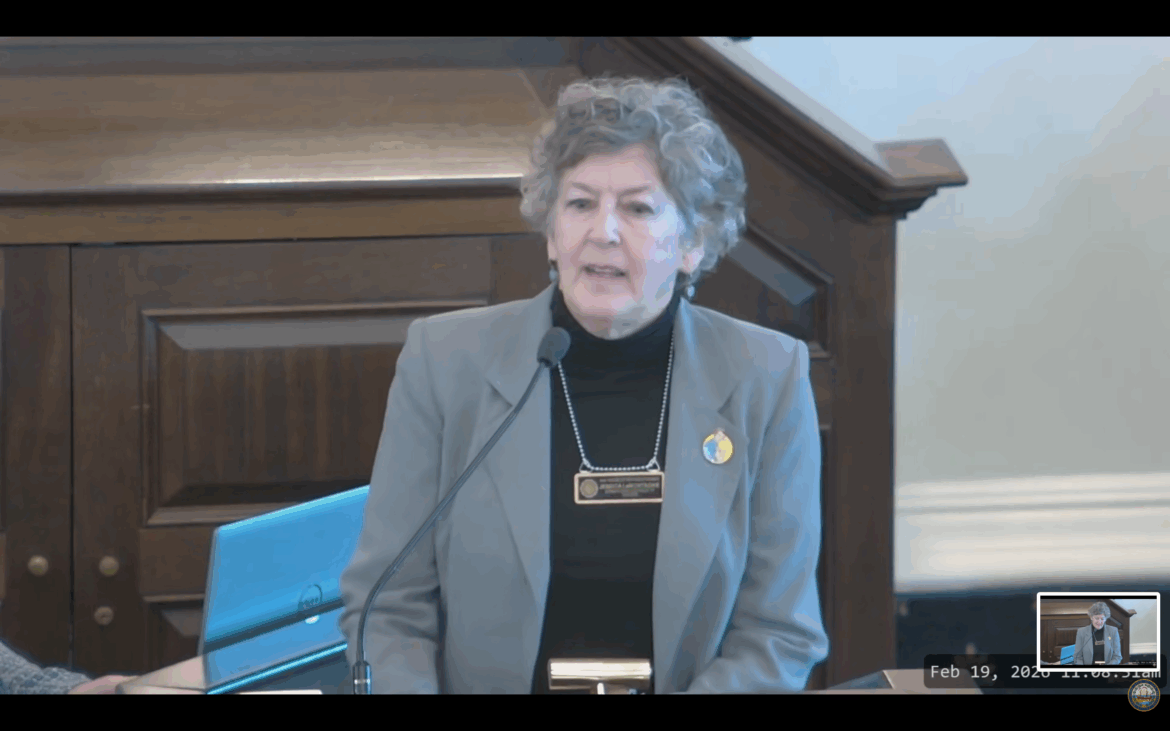
“Some have amnesia for what these childhood diseases were like before vaccines,” said Rep. Jessica LaMontagne, D-Dover. “The majority of children survived, but some did die and others were disabled for life by these diseases.”
She noted that before vaccines, measles was the leading cause of childhood deaths and deafness.
LaMontagne said the bill – if it passes – would decrease the trust in vaccines and suggest there was something wrong before further reducing vaccine rates.
She noted that measles has made a comeback because of reduced vaccination rates.
There is evidence that the rate of injury for any vaccine is one in a million, but measles kills one in 1,000 infected children, LaMontagne said.
Every medical professional testifying on the bill opposed it, she noted, but the Republicans on her committee ignored that in favor of anecdotal evidence and previously held bias.
Every 10 years, the measles vaccine prevents 1 million deaths and 32 million hospital stays, she said. “Do we want to bring that back?”
She also noted that vaccines save millions of dollars in health-care costs.
“Please believe in public health,” LaMontagne said, “and please believe in science.”
Rep. Matt Drew, R-Manchester, said the bill does not ban vaccines or lessen access, but it would let parents decide whether to vaccinate their child, not the government.
“A vaccine mandate forces some children to accept risk and injury to serve others,” Drew said. “(These) children are forced to suffer so yours can be safe.”
Opponents will tell you the dangers of the diseases and will assure you vaccines are safe and effective, but they will not tell you the risks involved, he said.
They used the same playbook with the COVID vaccine, but many are injured, Drew noted.
“You’ve heard it before,” he said, “(those who do not vaccinate their children) are belittled, mocked and dismissed, and their children are sacrificed on the altar of public health.”
Under the bill, parents would have no longer had to have their children given vaccines to protect against diphtheria, tetanus, pertussis (whooping cough), polio, measles, mumps, rubella, chickenpox, polio and Hepatitis B.
Last week, the House passed a bill that would remove the Hepatitis B vaccine from the current requirements.
Parents can opt their child out of the vaccinations for medical or religious reasons. Parents can also refuse to have their children vaccinated.
The House Health and Human Services Committee recommended the bill pass with an amendment to retain the polio vaccine, but that amendment was voted down on a 171- 166 vote before the bill was killed 192-155.
Garry Rayno may be reached at garry.rayno@yahoo.com.