
Strawberry, orchid and grass seeds will be sent to the International Space Station to study the effects of space travel on their genetics.
TAMPA, Fla. — University of Florida researchers will be sending four types of seeds to the International Space Station to study farming solutions for harsh weather conditions.
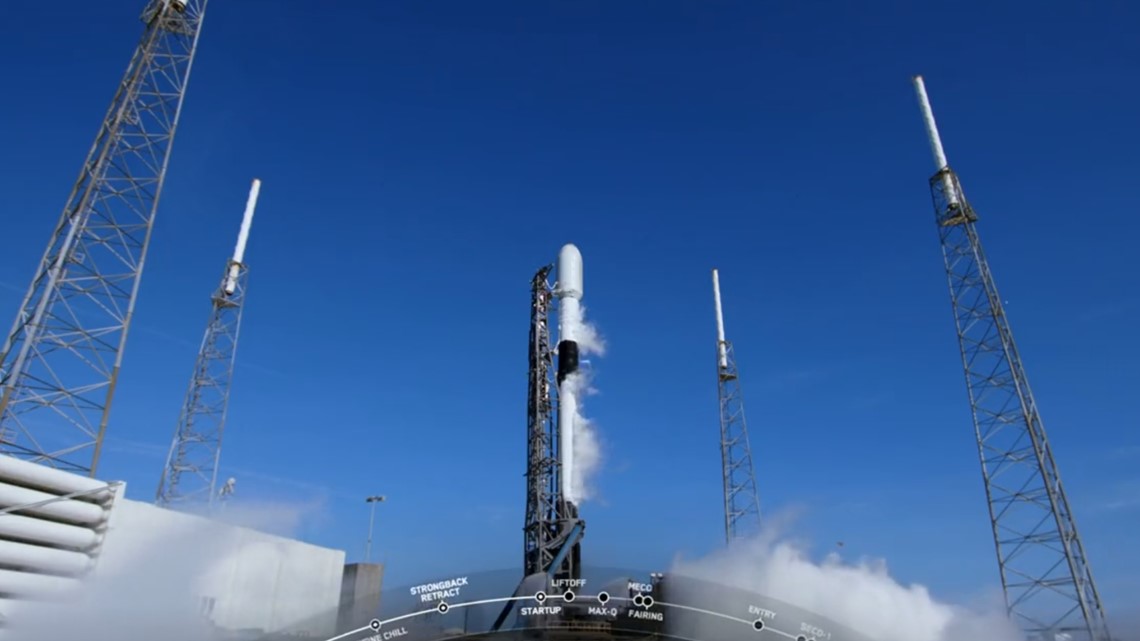
Strawberries from the Tampa Bay area, two types of Florida orchids and a type of turf grass will blast off on the SpaceX Falcon 9 rocket just after noon Thursday from Cape Canaveral, according to a news release.
The seeds will stay untouched on the space station for about a week and will return on the next scheduled trip back to Earth.
“Space is the ultimate high-stress environment for plants. On Earth, the extreme environments we have to contend with include heat waves, drought and hard freezes,” UF professor Wagner Vendrame said. “This could be a way of generating more crops that are resilient to those kinds of stressors.”
After the trip, researchers will plant and grow the seeds to test the genes for changes that only come from a space flight, according to the release.
Genetic testing of the plants as compared to the same ones on Earth will give the research team a comparison of how they change when they go through conditions like microgravity and re-entry to Earth.
This could pave the way for growing food on future missions to other planets like the Moon or Mars.
The experiment is part of a broader, global collaboration with the goal of learning from space-induced genetic changes. Vendrome’s research is part of a space farming project by space strategy company Jaguar Space, which encompasses groups from all around the world who send seeds from places like Nigeria, Pakistan and Argentina.