
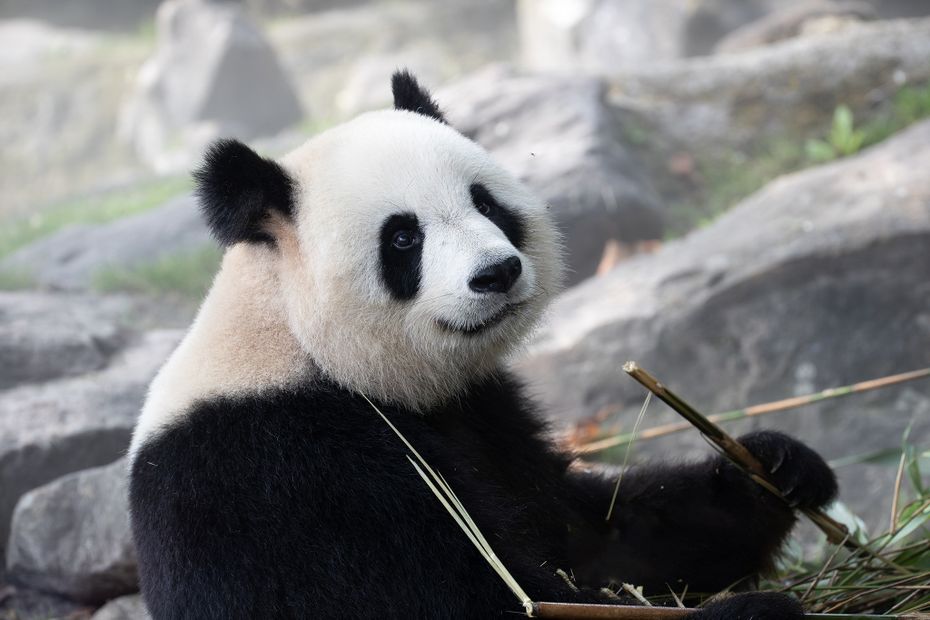
A health-driven homecoming
The beloved giant pandas at ZooParc de Beauval will soon return to China, a move prompted by the female’s kidney issues and the need for specialized long-term care. The pair, now 17 years old, have charmed millions since their arrival in France in 2012, but veterinarians have identified chronic renal insufficiency in the female, a condition more common in aging carnivores. In close coordination with Chinese authorities, Beauval has opted for an earlier repatriation so she can receive expert treatment in a dedicated center.
Her partner will travel alongside her, reflecting the species’ sensitive well-being needs and the zoo’s commitment to welfare-first decisions. While the departure may feel sudden, the choice is rooted in clinical prudence and the goal of ensuring the most comprehensive monitoring available.
What this means for Beauval’s visitors
The couple’s return inevitably reshapes Beauval’s landscape, yet the zoo’s two young pandas will remain on site to continue education and awareness efforts. The four-year-old twins, born in 2021, will help sustain the park’s mission to inspire conservation-minded visitors. Their presence provides continuity for the zoo’s programs and offers families a chance to learn about biodiversity and species protection.
Zoo leaders emphasize that veterinary teams on both continents have worked in concert, reviewing diagnostics, records, and treatment options. “We chose, together with our Chinese partners, to bring her back to Chengdu so she can benefit from the most specialized care available,” said Rodolphe Delord, underlining the decision’s compassion and foresight.
A brief timeline of a remarkable chapter
2012: The pair arrives in France, launching a new era of collaboration.
2017: First cub, Yuan Meng, is born—a national milestone in breeding success.
2021: Twin cubs, Huanlili and Yuandudu, expand the family and public enthusiasm.
2024: Yuan Meng departs for China, continuing his conservation journey.
Late this year: The adult pair heads to Chengdu, prioritizing health and welfare.
Conservation and “panda diplomacy”
These pandas symbolize a rare blend of science and soft power, often described as “panda diplomacy.” Their presence in France has deepened international ties, broadened public engagement, and supported critical research into behavior, reproduction, and health. Under the global conservation program, returning individuals to China enables centralized expertise, data sharing, and genetic management that benefits the entire species.
In the wild, giant panda numbers remain limited, though trends have improved thanks to habitat protection and breeding advances. Managed populations serve as insurance for biodiversity, while zoos like Beauval act as hubs for education and fundraising. Each transfer, birth, or pairing is guided by long-term plans designed to protect genetic diversity and maximize species resilience.
Care, transport, and welfare
Medical teams are focusing on comfort, nutrition, and stress reduction before the journey, tailoring diets and activity levels to the female’s current needs. As with any large mammal, transport involves climate-controlled crates, sedation protocols when appropriate, and continuous biometric monitoring. The destination in Chengdu offers cutting-edge imaging, laboratory capabilities, and specialists with decades of experience treating geriatric pandas.
While giant pandas can live to around 35 years under expert care, aging brings predictable risks to the kidneys, teeth, and joints. Early intervention can slow progression, preserve quality of life, and maintain familiar routines that reduce stress and support healing. The decision to move now, rather than later, reflects a proactive ethic grounded in evidence and compassion.
The legacy they leave behind
Beyond pictures and memories, the pair leaves a legacy of learning that will guide Beauval’s next chapter. Their story has catalyzed new volunteers, inspired young scientists, and drawn vital funds for field projects and habitat restoration. The twins’ continued presence will help the zoo translate science into public action, ensuring that conservation remains as tangible as it is inspiring.
For families planning a visit, there is still much to see: educational talks, behind-the-scenes insights, and the chance to witness the twins’ growing confidence. The zoo’s broader collection—over 35,000 animals—anchors a rich tapestry of species and stories that connect local audiences with global ecosystems.
Looking ahead
Beauval has signaled its intent to extend collaboration with Chinese partners, potentially welcoming future pandas when appropriate for the species’ broader strategy. Any next steps will be guided by health, genetic priorities, and the shared goal of safeguarding an irreplaceable icon. For now, the focus remains clear: dignified care, safe travel, and a smooth transition to Chengdu’s world-class facilities.
Even as the pair departs, their influence will endure in research papers, conservation outcomes, and the awe they sparked in visitors of all ages. Their journey underscores a simple truth: when science, compassion, and international cooperation align, wildlife has a fighting chance.