

Key Takeaways:
The best time to start exit planning is earlier than most
owners expect. Preparation today creates flexibility for
opportunities tomorrow.
Transparent reporting, predictable revenue, and transferable
systems are what investors value most when assessing long-term
business strength.
Avoiding pitfalls like messy books, overstated revenue, and
reliance on one customer helps protect valuation and keeps deals on
track.
—
Selling your business is a big step, and
preparing for it early can make all the difference. You may have
questions about timing, valuation, and what investors really look
for. These frequently asked questions (FAQs) answer some of the
most common concerns business owners face when getting ready to
exit — helping you approach the process with confidence and
clarity.
When should I start planning my exit?
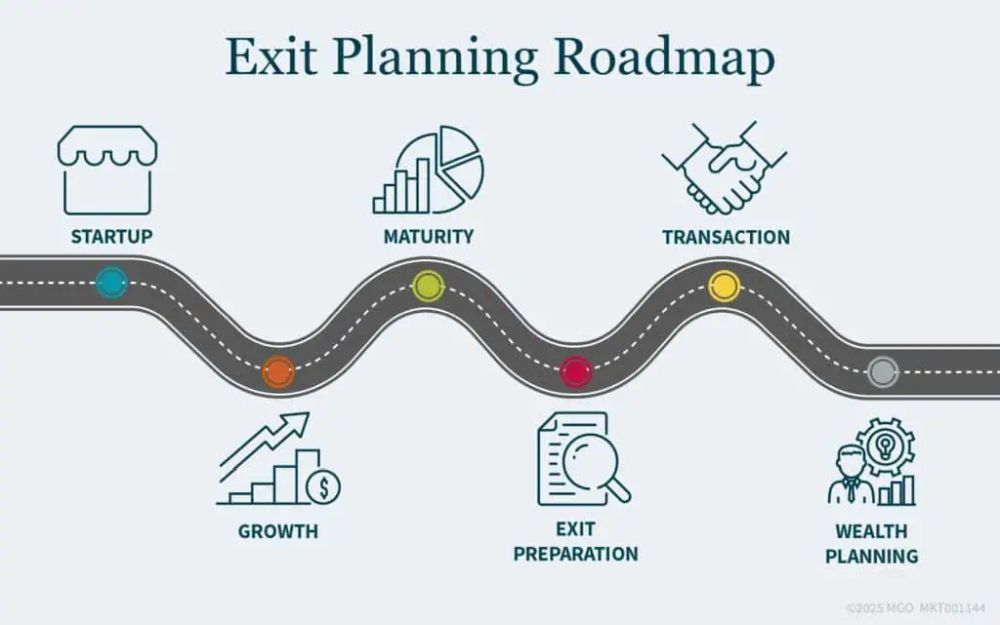
The best time to start planning is now. Even if you do not
intend to sell for years, exit readiness provides protection
against unexpected events like health issues, market changes, or
unsolicited offers. A business with reliable financials,
well-documented systems, accurate and complete business records,
clear ownership documentation, and organized legal agreements can
always respond when opportunities appear.
What issues derail deals most often?
Deals fall apart when businesses cannot show reliability. Some
of the most common reasons include:
Inconsistent or incomplete financial records
One-time revenue being presented as recurring
Dependence on a single customer, supplier, or contract
Lack of documented systems or leadership beyond the
founder
Each of these issues signals risk to investors, which can reduce
offers or cause negotiations to collapse.
How do EBITDA and margins affect valuation?
Earnings before interest, taxes, depreciation, and amortization
(EBITDA) forms the baseline of valuation, but margins influence the
multiple applied. Every extra dollar of profit can translate into
five-to-seven dollars of enterprise value. Buyers consistently
reward businesses that prove sustainable, well-managed
profitability.
What do investors want beyond profitability?
Profit is only part of the story. Investors also look for:
Predictable earnings supported by recurring
contracts or long-term relationships
Transferable operations that can run smoothly
without the owner’s involvement
Clean reporting with investor-grade financials
and reliable key performance indicators (KPIs)
Strong leadership that can execute future
growth plans
These factors create confidence in stability and growth, which
directly impacts valuation.
How important is diversification?
Diversification is critical. Businesses that rely too heavily on
one product, client, or geography face increased risk and are less
attractive to buyers. Expanding revenue streams across multiple
products, services, or markets creates resilience and makes the
company more appealing during an exit.
Does culture really influence valuation?
Yes. Investors consistently evaluate company culture and
leadership when assessing a deal. They want to know that employees
are engaged, motivated, and likely to stay after the transition. A
business with a strong culture and aligned leadership team is seen
as lower risk and often commands a higher valuation.
Support Beyond the Transaction
At MGO, we help business owners prepare for successful exits by
building financial transparency, strengthening operations, and
advising on leadership continuity. Our team also designs
tax-efficient deal structures and post-transaction strategies to
protect and grow the value you have created.
With the right preparation, you can position your business to
achieve stronger results and set the stage for the next chapter. Reach out to our team today to start building
a strategy tailored to your business and your goals.
The content of this article is intended to provide a general
guide to the subject matter. Specialist advice should be sought
about your specific circumstances.