
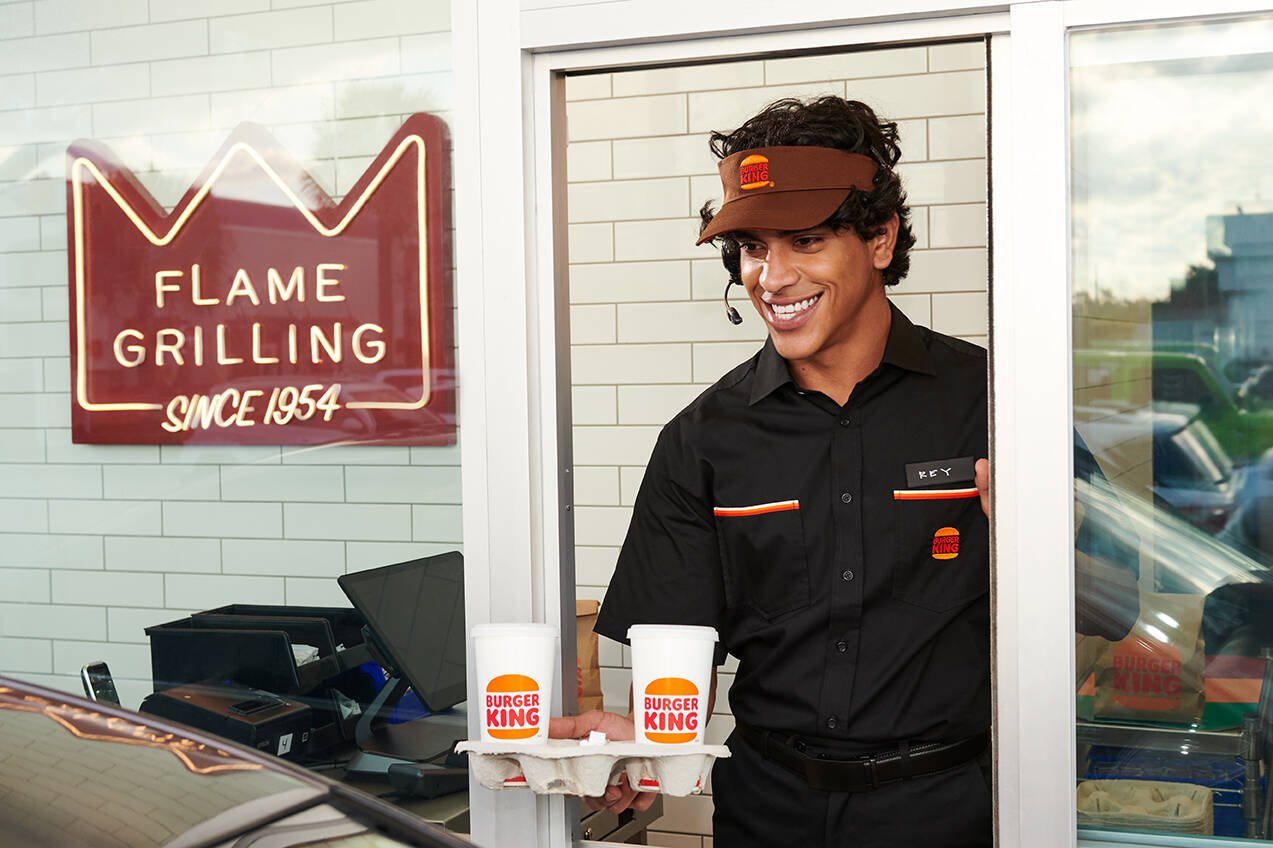
The bot’s nagging will continue until morale improves. Burger King is rolling out a new employee-facing AI that, among other things, will listen to employees’ customer interactions to ensure they’re being friendly enough – as if working in fast food weren’t hard enough already.
Burger King announced a wider rollout of the BK Assistant, along with its employee AI assistant-cum-narc “Patty,” on Thursday during an investor event hosted by parent company Restaurant Brands International. According to RBI, BK Assistant has been deployed for testing in approximately 500 stores around the US, and the company wants to have it available in all 7,000 US Burger Kings by the end of 2026.
A promo video played during the investor event livestream showed Patty talking to an incoming shift manager, sharing current “friendliness scores,” the status of low-stock items, and other data points a team leader might need to know.
Burger King employees were shown being reminded of recipes, getting cleaning instructions, and, a bit more obtrusively, being told they met upselling goals when convincing a customer to add an item they didn’t originally ask for to their order.
According to a Burger King representative, the BK Assistant unifies point of sale, kitchen equipment, inventory, and digital ordering systems into a single umbrella product built with proprietary Burger King architecture on top of a base model from OpenAI.
Despite the fact that the video showed a manager being told how friendly her team was being with customers, Burger King insisted that Patty isn’t going to spy on employees and report them when they’re having a bad shift.
“It is not designed to track nor evaluate employees saying specific words or phrases,” a Burger King spokesperson told The Register in an email. “BK Assistant is a coaching and operational support tool built to help our restaurant teams manage complexity and stay focused on delivering a great Guest experience.”
The fast food chain has explored using aggregated keywords, like “welcome,” “please,” and “thank you” as signals to help managers understand broader service patterns at their restaurants, but “it’s not about scoring individuals or enforcing scripts,” the spokesperson said.
“We believe hospitality is fundamentally human,” the company rep told us. “The role of this technology is to support our teams so they can stay present with guests.”
Fast food AI has been a bit of a mixed bag for companies that have tried it, though to be fair most of the failures have been on the customer service end.
McDonald’s gave up on drive-through AI, and Taco Bell has also rethought its trial run after mishaps. Starbucks has also dialed back its automation-first push after conceding machines weren’t replacing baristas as hoped. Instead, it’s shifting toward AI tools that assist staff — echoing Burger King’s employee-assist strategy.
There’s no guarantee Burger King’s initiative will stick, naturally, but be prepared for employees to start seeming extra friendly in case Patty is listening in. ®