
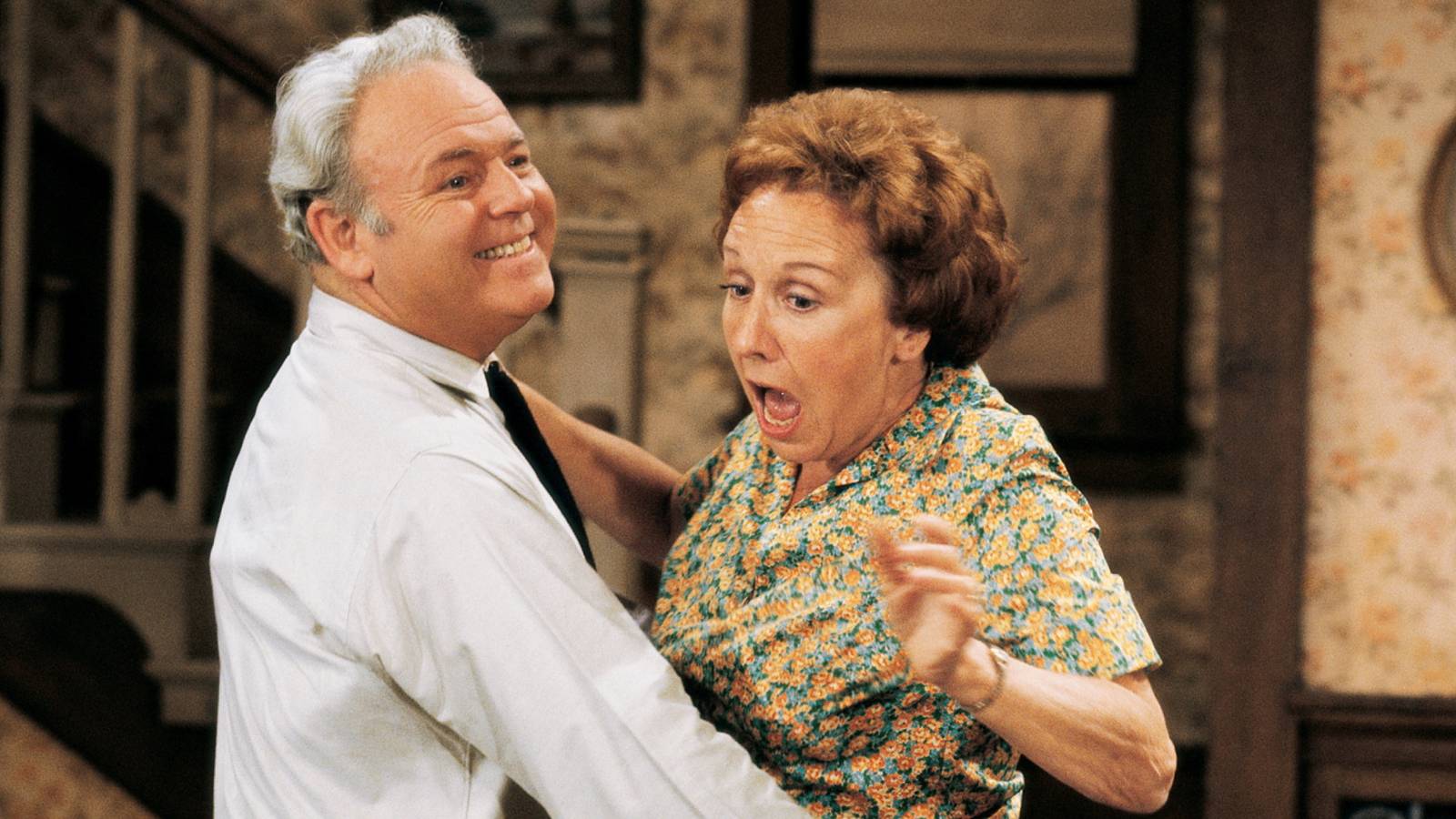
Television has come a long way in the past few decades, and a lot of that progress is thanks to boundary-pushing shows from the ’70s. Despite technological and network restraints that would feel incredibly limiting today, the 1970s saw the debut of timeless titles with characters, themes, and opening sequences that have earned their status as classics.
15
Little House On The Prairie
1974-1983
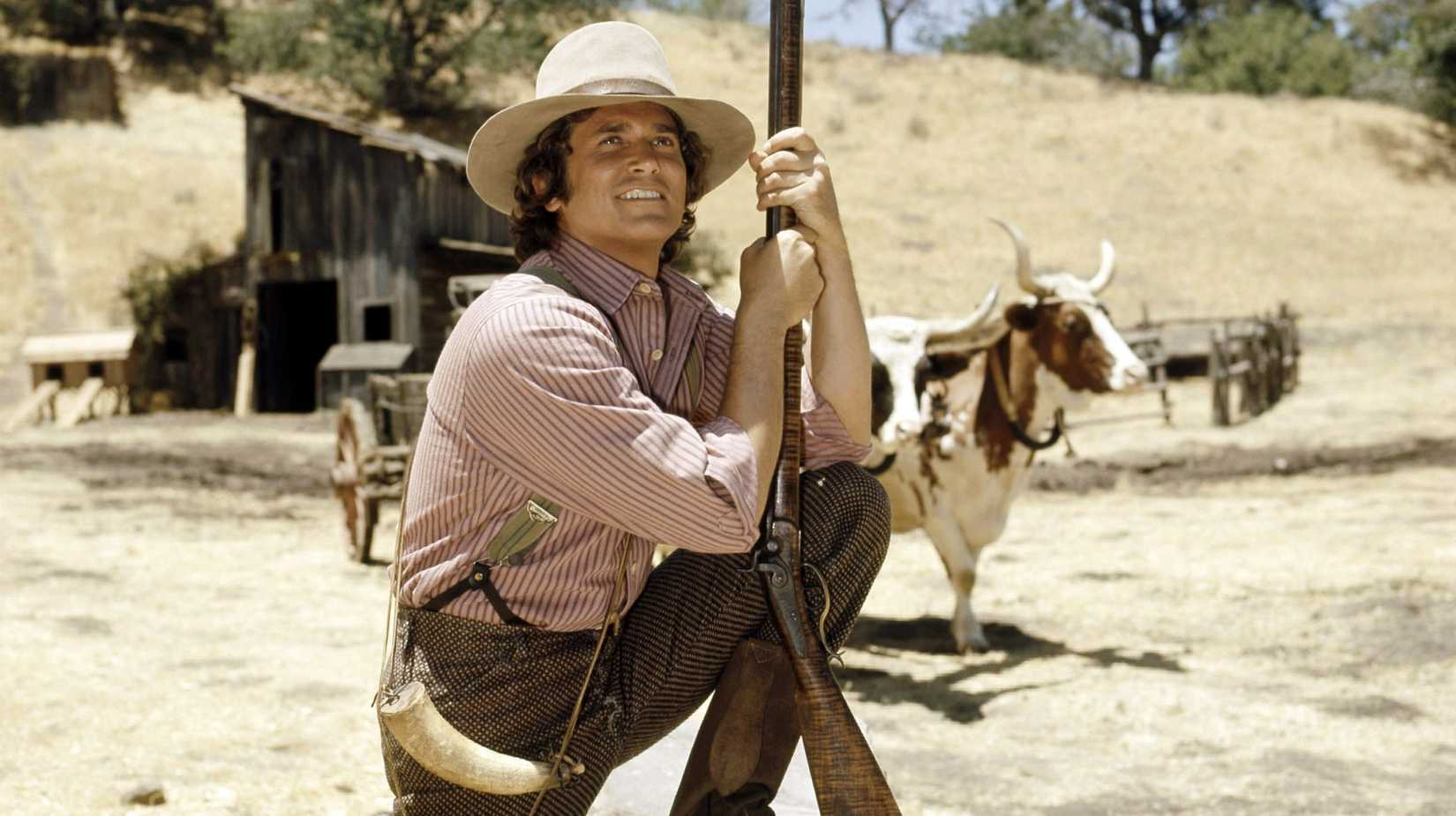
Michael Landon as Charles Ingalls leaning on his gun smiling in Little House on the Prairie (1974)
A persistent adaptation of Laura Ingalls Wilder’s novels, the 1974 series quickly conquered its initial hesitancy and became a household name. In its reworking of the children’s novels, Little House on the Prairie strived to reach a wider audience. It ultimately earned its place among historical Westerns thanks to its endearing personification of the Ingalls family and cozy Western nostalgia.
Beyond experiencing the show’s all-encompassing depiction of a singular era in history, and participating in the cultural mark it left on television, Little House is worth watching for Jason Bateman’s very first acting credit. He appeared as James Cooper Ingalls in seasons 7 and 8 (1981-1982; Bateman was 11).
14
WKRP In Cincinnati
1978-1982
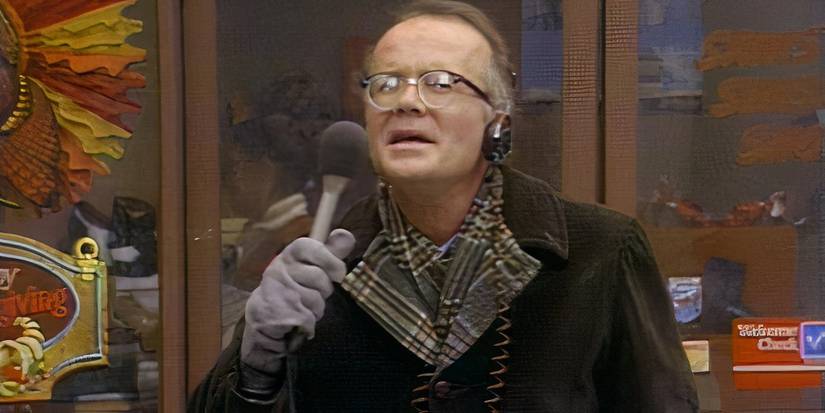
Les Nessman reporting on the turkeys in WKRP in Cincinnati
Praised among DJs for its realistic portrayal of the radio environment, WKRP in Cincinnati was among the ’70s programming that challenged the standard themes and storytelling methods of its time. Taking on topics like race, censorship, drug use, and even gender nonconformity, WKRP handled issues with grace for both sides and plenty of comedy, saving it from coming across as preachy.
WKRP became more of itself as it went on. It later expanded its set to include an office bullpen, a more open-air space that allowed the cast to demonstrate their chemistry and feel like a true ensemble. The show was canceled after four seasons, likely due in large part to frequently-changing time slots, but continued to find new life after its original run, cementing its place as a classic sitcom.
13
The Waltons
1972-1981
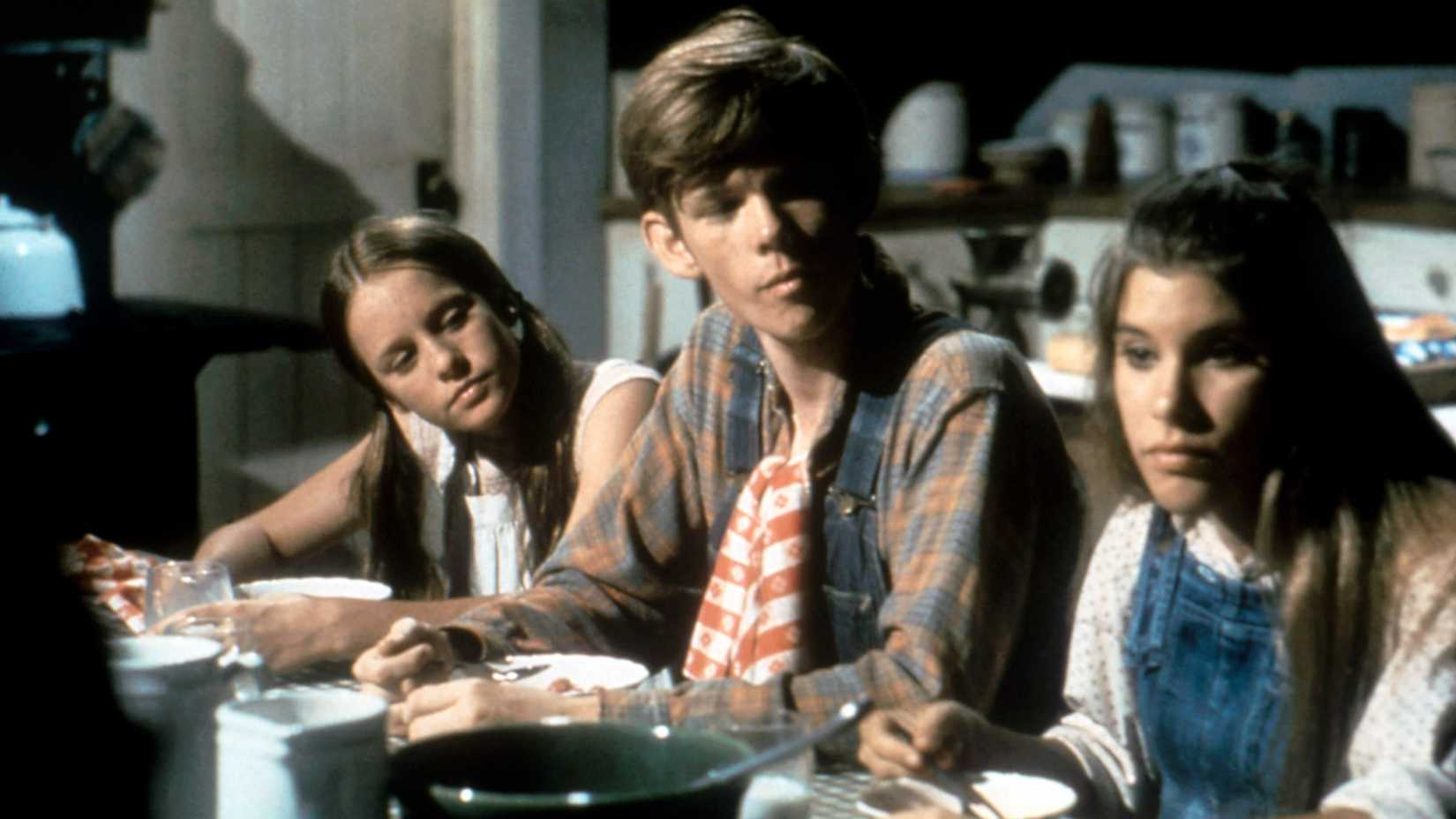
The Walton Family Eating in The Waltons
Having earned six sequel movies, it’s hard to argue that The Waltons didn’t have people’s attention. Its depiction of a Virginia mountain family during the Great Depression captured both a yearned-for freedom and a hard-fought life. The Waltons took a dutiful, head-on approach to the nation’s financial scarcity and military obligations that rang true thanks to creator Earl Hamner Jr.’s real-life inspiration.
The Waltons’ staying power is aided by being a period piece, an element of the show that allowed television and the world to age around it, without making it feel dated. Instead, The Waltons benefits from having first-person creative input behind the scenes, a commodity that no Depression-era project today would have access to.
12
The Jeffersons
1975-1985
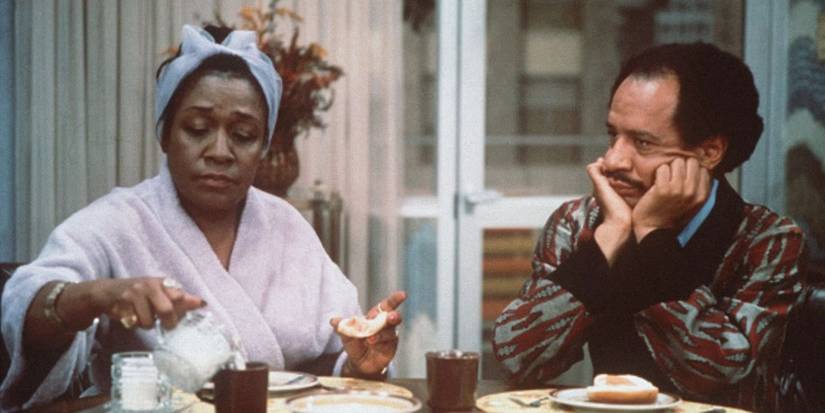
A spin-off of All in the Family that ran for 11 seasons in its own right, The Jeffersons solidifies how eager audiences were for Norman Lear’s game-changing storytelling. Following Archie Bunker’s neighbors after they are able to afford a lifestyle upgrade and move to Manhattan, The Jeffersons offers an at-the-time unprecedented slant on every issue from race to gun control.
While hot-button conversations on TV grew more commonplace, and thus more nuanced, the continued prevalence of these issues shows that Lear had his finger on the pulse of not a fleeting moment in time, but human nature itself. All the while, the show delivered genuine laughs, particularly from the dynamic between George Jefferson and their housekeeper, Florence.
11
Laverne & Shirley
1976-1983
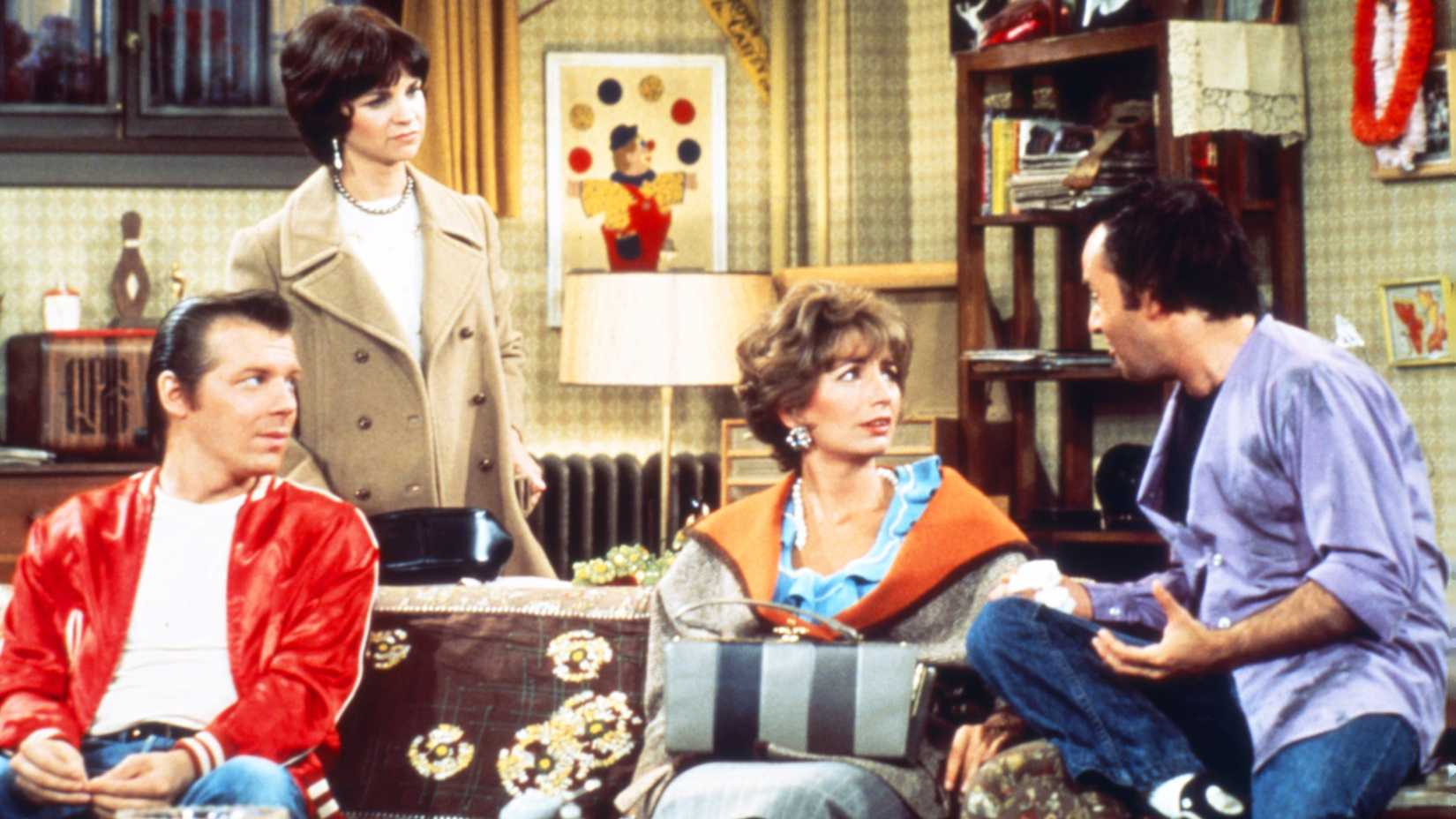
Laverne, Shirley, Lenny, and Squiggy in Laverne & Shirley
A spin-off of Happy Days with physical comedy that often evokes the likes of I Love Lucy, Laverne & Shirley harkens back to even deeper classics. While the title characters brought personality to the show, their friends/neighbors Lenny and Squiggy stand the test of time as its true comedic backbone. Squiggy was able to even make the word “hello” a running gag in and of itself.
Laverne & Shirley was even successful enough to earn a spin-off of its own, an animated series that ran for two years. Over time, the show expanded to include other iconic characters, eventually landing on the title Mork & Mindy/Laverne & Shirley/Fonz Hour.
10
Emergency!
1972-1977
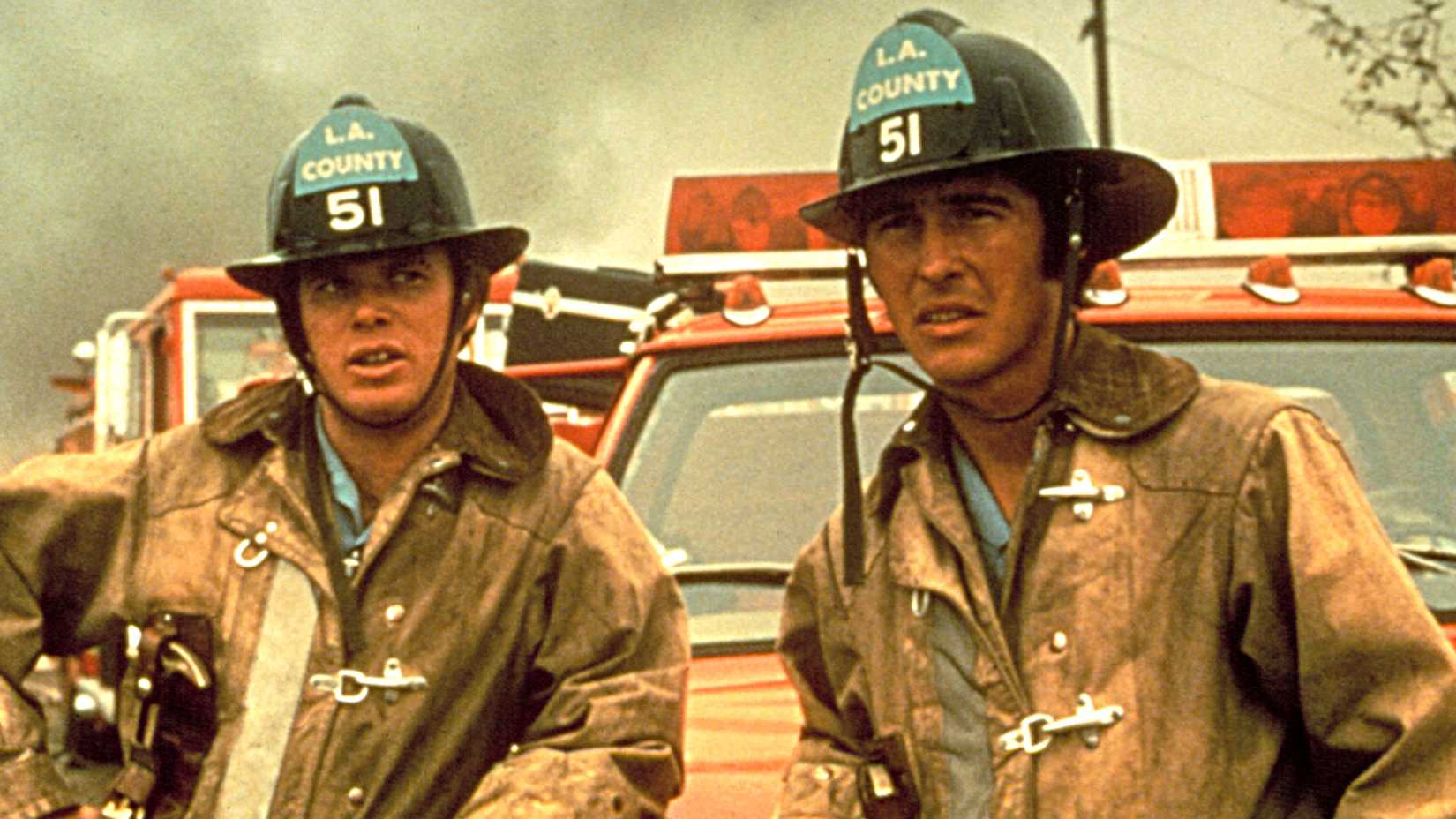
Kevin Tighe and Randolph Mantooth in Emergency!
At a time when EMS coverage was much less established, Emergency! paved the way for the likes of smash hit 9-1-1. Emergency! stood so tall on its own that it truly doesn’t feel like a spin-off of a spin-off. But the show originated from the police procedural Adam-12, which itself was born out of Dragnet. There was some interaction between Emergency! and Adam-12, creating an immersive world.
Emergency! strived for a realism that’s often credited with increasing visibility surrounding ambulance response. If its 122-episode run and six subsequent TV movies are anything to go by, it was a successful endeavor.
9
Diff’rent Strokes
1978-1985
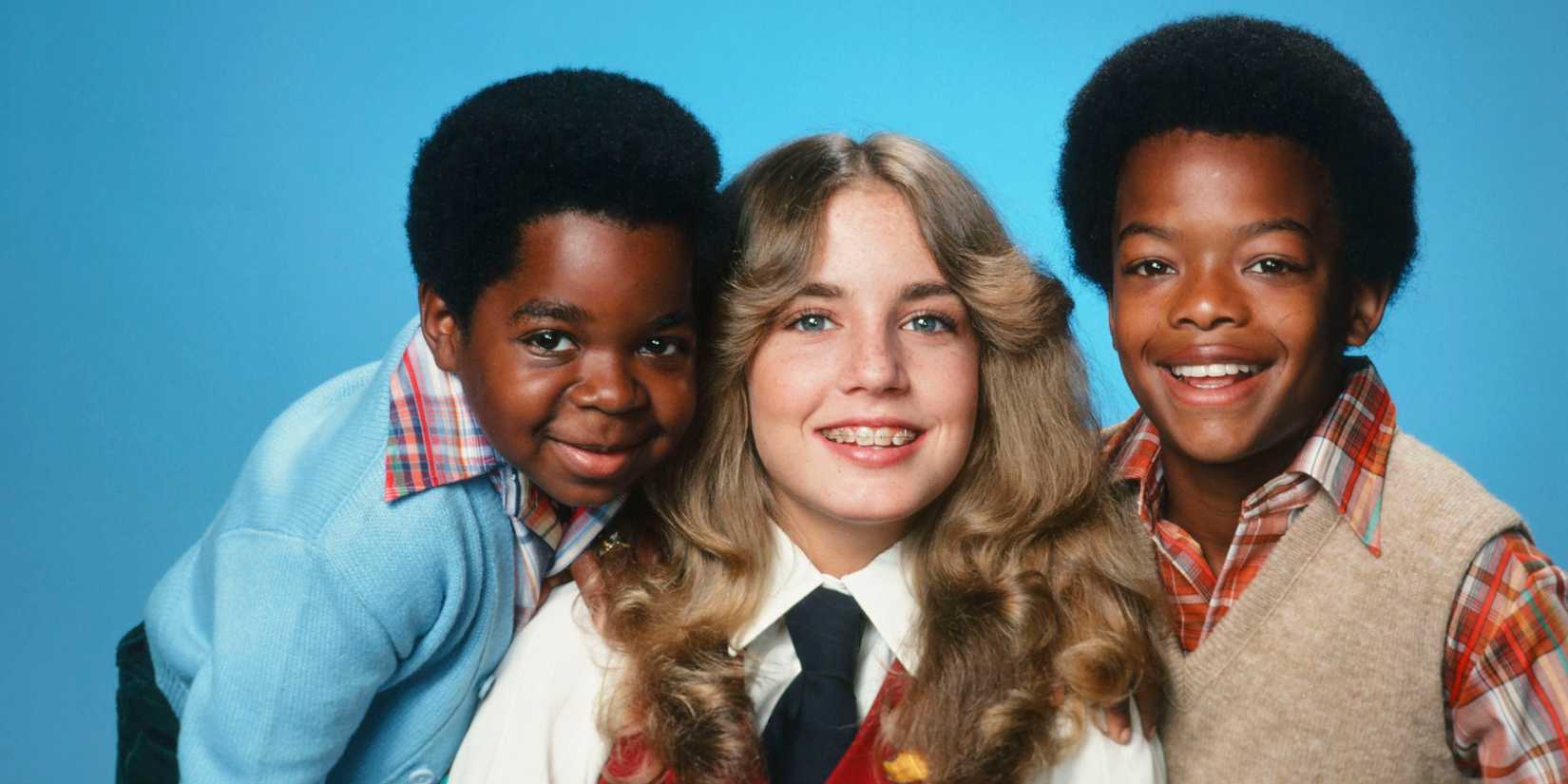
Gary Coleman in Diff’rent Strokes
Even among people who may not know its origins, Arnold Jackson’s catchphrase “What you talkin’ ’bout, Willis?” is immortalized in popular culture. Beyond the iconic line, Diff’rent Strokes became associated with the concept of the “very special episode,” where the show’s normally comedic characters find themselves in almost shockingly dark situations.
The show’s comedic success strengthened its dramatic moments and vice versa. The juxtaposition of beloved sitcom characters being portrayed in a deeply serious tone achieves those special episodes’ objectives of sticking in viewers’ minds. One particular episode, “The Bicycle Man,” in which Arnold and Dudley are preyed upon by a pedophile, is especially hard to shake.
8
The Mary Tyler Moore Show
1970-1977
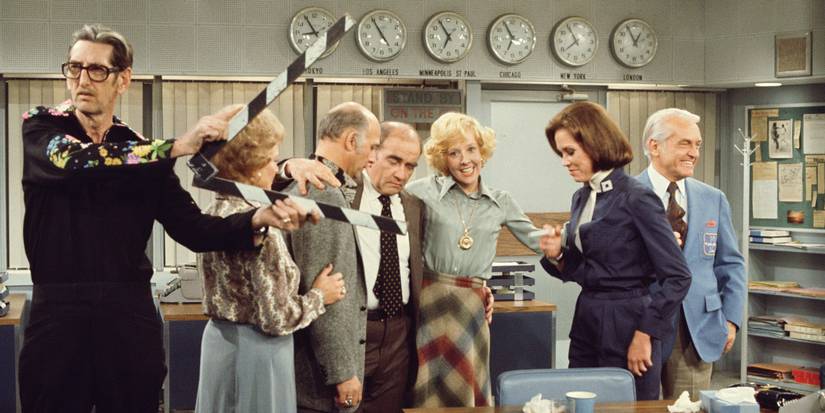
The cast of The Mary Tyler Moore Show in the finale
A workplace comedy centered around a single woman who had just broken an engagement, bucking tradition was in The Mary Tyler Moore Show’s DNA. But the sitcom did more than depict a single woman working; it committed to diving headfirst into a range of female-focused topics like wage disparity, discrimination, infertility, and prostitution.
Mary Tyler Moore brought charm, professionalism, and personality to the show that made it all compelling, funny, and classy. Standing amongst other protagonists of her time (particularly Archie Bunker, her opposite in every way), Mary was different and inviting. The Mary Tyler Moore show won 29 Emmys and birthed three spin-offs.
7
Taxi
1978-1983
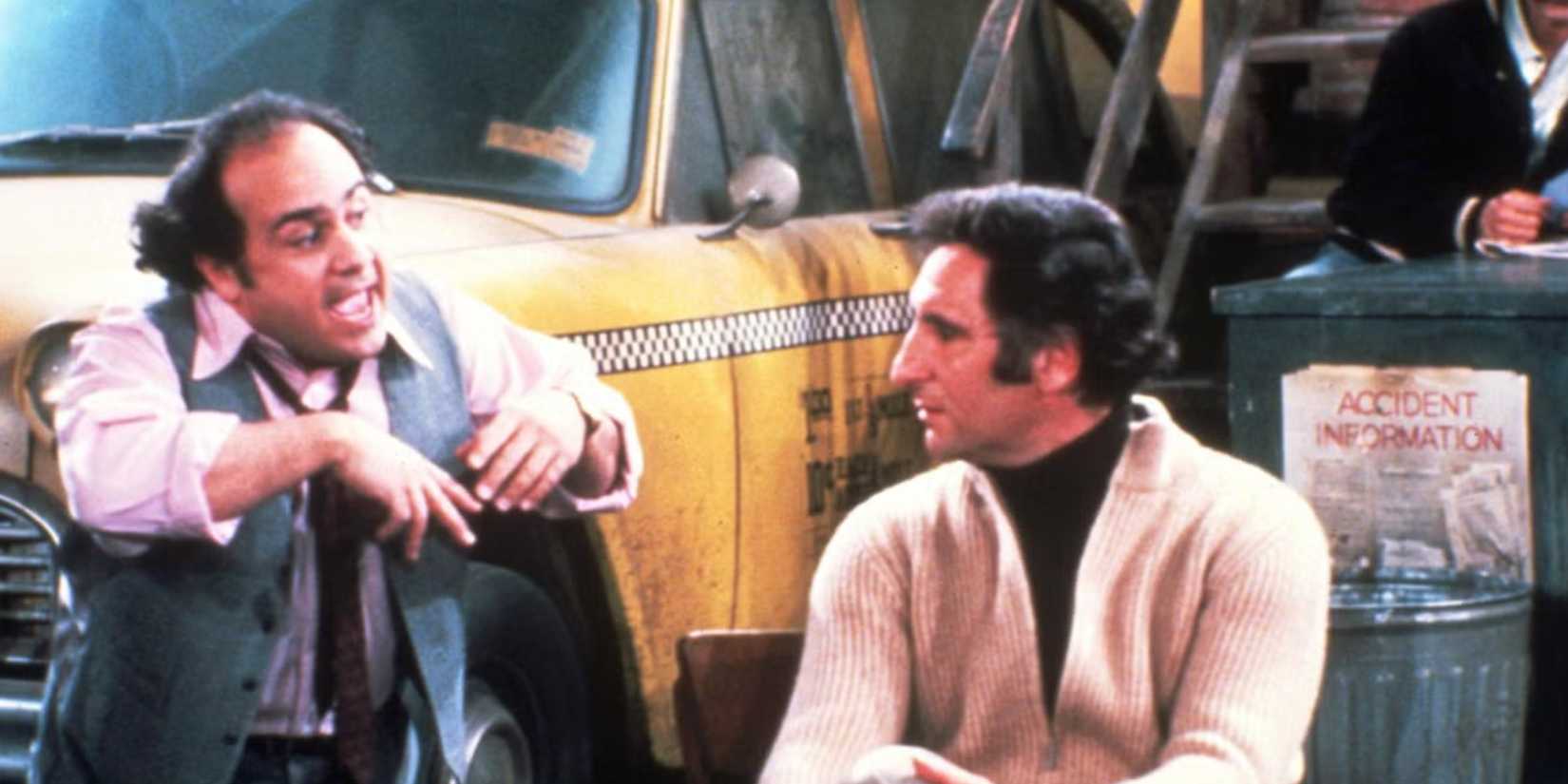
Danny DeVito as Louie and Judd Hirsch as Alex in Taxi
Taxi boasted a cast that’s still noteworthy today: Danny DeVito, Christopher Lloyd, Judd Hirsch, Tony Danza, and Marilu Henner, to name a few, not to mention a noteworthy recurring role for Rhea Perlman. The New York City nighttime cab scene offered a perfect setting for both comedy and unexpected humanity, and Taxi took full advantage of the opportunity.
The drivers were a constant representation of the reality check life often poses on our hopes and expectations of ourselves, with DeVito’s comedic harshness contributing to the show’s general grittiness. From the creative team behind The Mary Tyler Moore Show, Taxi is a completely different, yet still poignant, embodiment of life.
6
Dallas
1978-1991
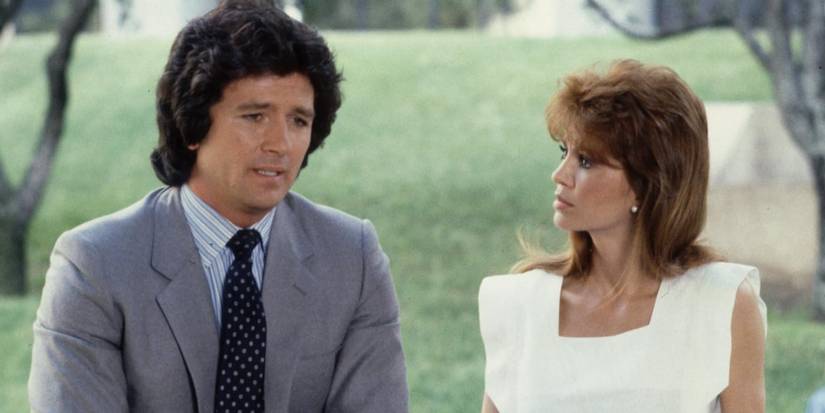
Victoria Principal and Patrick Duffy in Dallas standing outside looking serious
As a prime-time soap, Dallas was able to embrace more unconventional storytelling methods and long-game payoffs that made the show satisfying to invest time in. The series wasn’t afraid to let cliffhangers linger or engage in “special episode” behavior over the course of an entire season rather than a single episode.
The show’s answer to its famed mystery, “Who shot J.R.?” is to this day the second most-watched TV episode of all time, bested only by the series finale of M*A*S*H. This speaks to what became a Dallas staple of ending each season on a cliffhanger. With today’s shorter seasons and longer hiatuses, this would likely be frustrating, but it’s also what allowed Dallas to create a cultural moment.